
Review · NEW ZEALAND
Auckland: Whale and Dolphin Watching Half-Day Eco Cruise
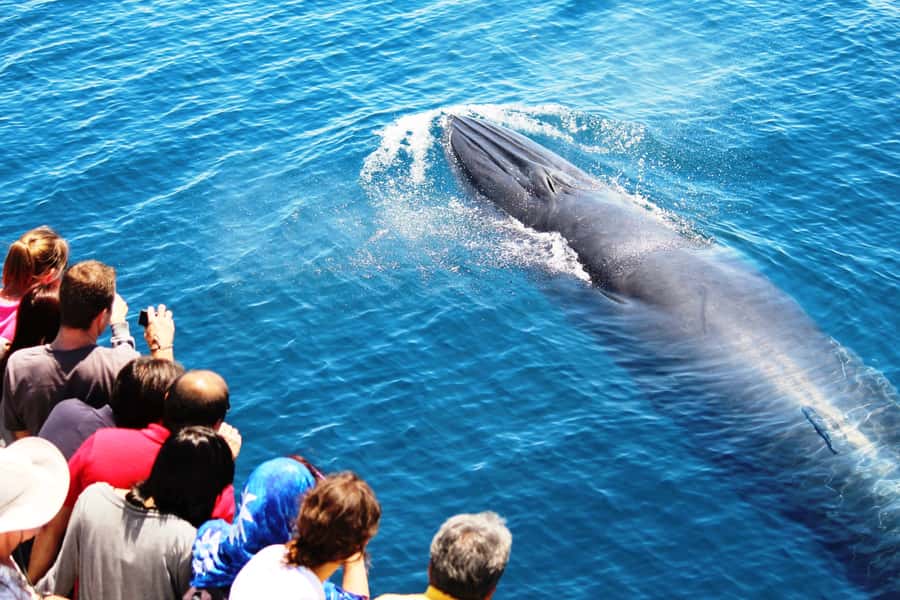
Whales are never on a timetable. That uncertainty is part of the appeal of Auckland’s 4.5-hour marine safari, where you leave the city for the Hauraki Gulf in search of orcas, bottlenose dolphins, Bryde’s whales, seabirds, and the occasional shark. I like the small luxury catamaran and the crew’s clear respect for wildlife. I also like that marine scientists use the boat for research, while one dollar from every ticket supports the Hauraki Gulf Guardians fund. The main drawback is simple: you may see no whales, or no marine mammals at all.
This is a very convenient Auckland outing. You board at the Eastern Viaduct Marina, pass North Head and Rangitoto Island, then spend much of the trip scanning open water. I like the promise of a second cruise if no marine mammals appear. Still, at $130 per person, the price makes more sense if you value the research work, conservation support, expert talks, and the full half-day on the gulf, not just a guaranteed animal sighting.
Key points to know before sailing
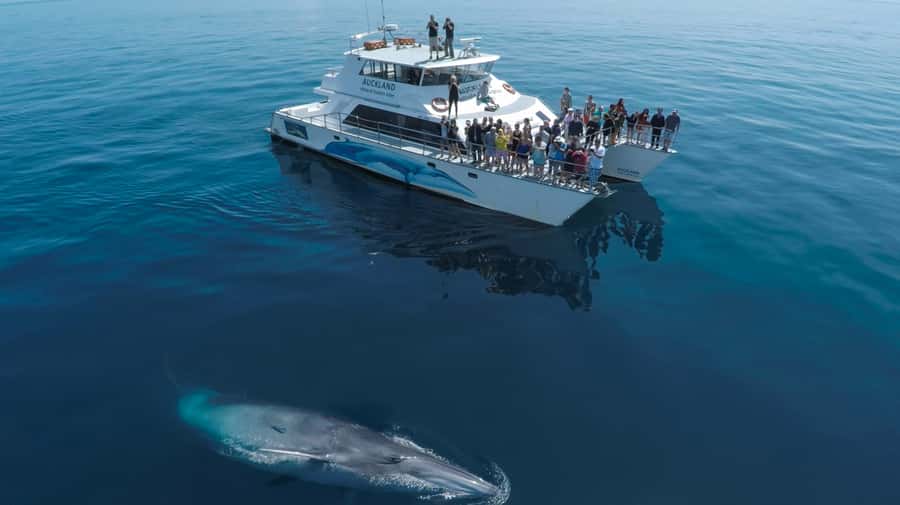
- A 65-foot catamaran leaves from central Auckland: Berth 9 at Eastern Viaduct Marina is opposite the Maritime Museum, making this one of the easiest wildlife trips to reach without a car.
- The real target is varied marine life: You might see orcas, bottlenose or common dolphins, Bryde’s whales, blue penguins, gannets, shearwaters, and even sharks.
- The boat doubles as a research vessel: The crew may collect samples and explain work involving plankton and marine mammal behavior.
- Sightings can be close, but never guaranteed: Dolphins have been seen under and beside the boat, while whales may appear far off.
- Weather shapes the day: Bring warm layers and a showerproof jacket, since wind, rain, and swell can change the feel of the trip quickly.
- A no-sighting guarantee softens the risk: If you see no marine mammals, you can take the cruise again for free.
Leaving Auckland from Berth 9
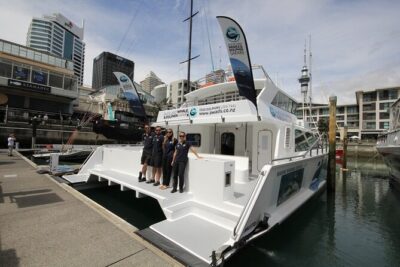
The trip begins at Berth 9, Eastern Viaduct Marina, at the end of Quay Street heading west. The berth is opposite the Maritime Museum, so you have a useful landmark if you are walking from central Auckland. Check in at the top of the boarding ramp 30 minutes before departure. Boarding closes 15 minutes before sailing, so do not cut it fine.
The Dolphin Explorer is a 65-foot catamaran with a comfortable, open feel. A catamaran gives you several places to look for wildlife, and the boat is described as a good size rather than an enormous sightseeing vessel. That matters when a pod appears. You want a reasonable chance of seeing over the rail instead of fighting through a packed crowd.
There are stairs and narrow doorways, so the vessel is not wheelchair accessible. Children under five may come along only with close supervision, and unaccompanied minors are not permitted. The trip is also not suitable for heavily pregnant women.
The boat sells a small selection of snacks, hot food, and drinks, including beer and wine. I would still eat something before boarding if you are prone to seasickness, since the cruise lasts 270 minutes and the gulf can become rough.
More Dolphin and Wildlife Eco Tours in New Zealand:
- Akaroa Dolphins ~ Harbour Nature Cruise
★ 5.0 · 2,143 reviews - Akaroa: Dolphin Nature Cruise
★ 4.9 · 440 reviews - Akaroa Harbour 2-Hour Dolphin Nature Cruise
★ 4.7 · 235 reviews
North Head, Devonport, and Rangitoto
The early part of the cruise gives you a quick water-level view of Auckland’s harbor sights. North Head and Devonport frame the entrance, while Rangitoto rises prominently from the Hauraki Gulf.
These views are more than filler while the crew searches for animals. From the water, Auckland’s position becomes clear. The city sits beside a large marine park, and volcanic islands help shape the gulf’s distinctive outline. Rangitoto is especially useful as a visual marker as the boat moves farther from the harbor.
The first stretch can feel like a sightseeing cruise, but keep your camera ready. The crew is already watching the water, and seabirds may provide the first signs of activity. Several trips have featured gannets, shearwaters, and blue penguins even when whales did not appear.
Bring binoculars if you have them. They are listed among the recommended items, and they can make distant whale blows or birds much easier to identify. A camera with a decent zoom is also more useful than a phone alone when wildlife stays at a distance.
Searching the Hauraki Gulf Marine Park
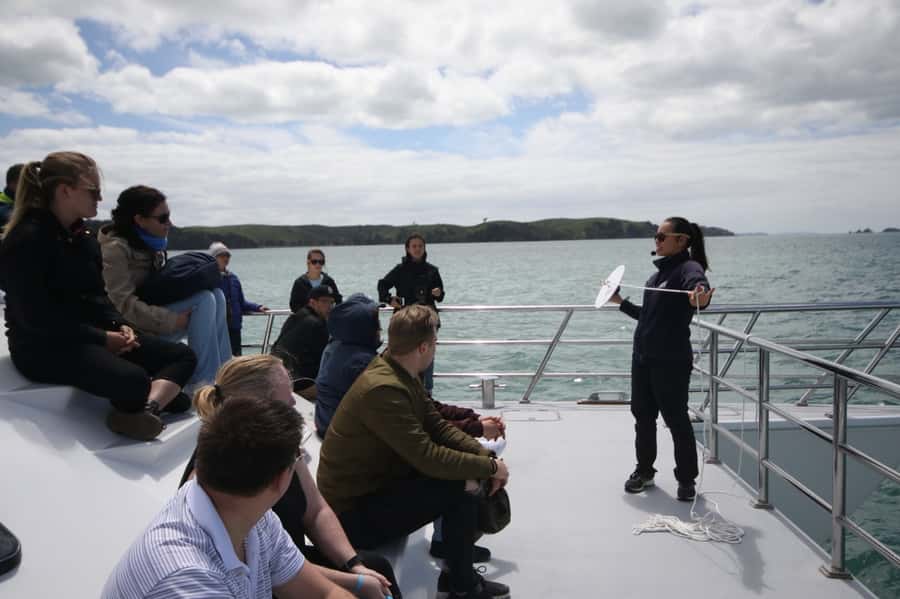
Once the boat reaches the wider gulf, the experience becomes a patient search. The skipper and marine science team scan the surface, watch bird activity, and explain what they are looking for. Large groups of gannets gathering over one area can signal fish below, which may attract dolphins or whales.
This is where the tour’s educational side earns its keep. You are not simply driven to a known viewing point and told to look over there. The crew explains animal behavior, local geography, marine science, and the role of plankton in the food chain. On some trips, the team has stopped to collect research samples.
The guides are a major strength. Crew members including Emily, Sanaa, John, Joseph, George, Toni, and others have been praised for their warmth, humor, and ability to explain what is happening. Skipper John, in particular, has been noted for keeping the mood light while making sure everyone knows where to look.
The tone is enthusiastic without treating wildlife like a show. The crew keeps a respectful distance and allows time for sightings rather than rushing from one animal to the next. That approach is important. A close encounter is exciting, but the animal’s welfare comes first.
Dolphins beside the catamaran
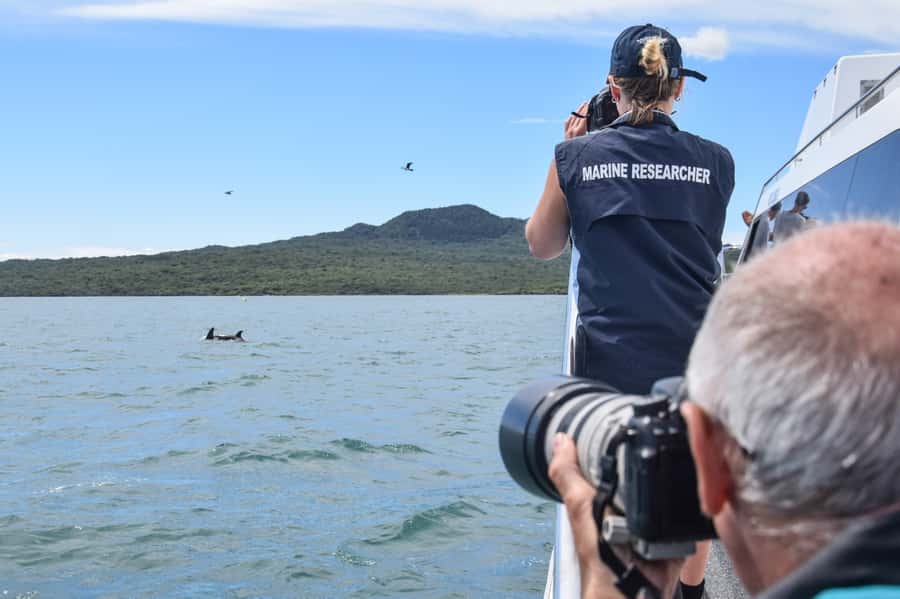
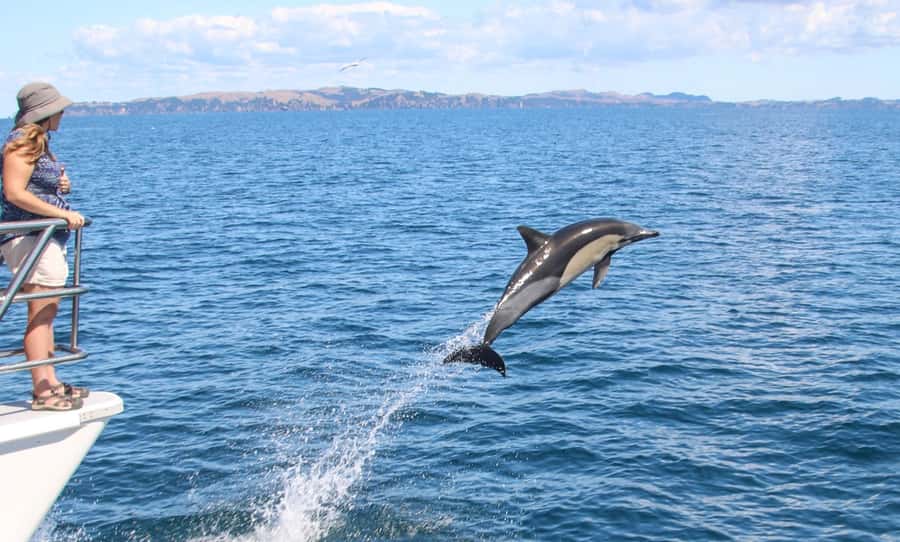
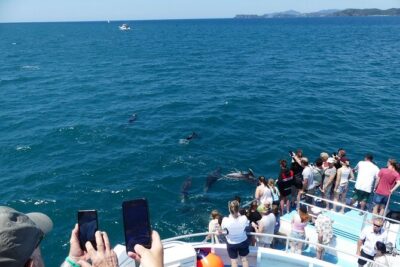
Dolphins are often the most reliable reward on this cruise. Trips have included large pods of common dolphins, small groups with young animals, and dolphins swimming beside or underneath the boat. Some groups watched them for around 30 minutes.
That kind of encounter can be far more satisfying than a quick glimpse. You may see a fin, then lose it, then suddenly find several animals pacing the catamaran. Young dolphins have been seen leaping from the water, and the crew works to position the boat so people on different sides get a chance to watch.
Bottlenose dolphins are one of the stated targets, while many sightings have involved common dolphins. The exact species and behavior depend on the day. You should expect movement, noise, and plenty of scanning rather than a neatly staged animal appearance.
The boat’s size helps here. It is large enough to feel stable and comfortable, but not so large that the animals become tiny specks beside a floating building. You may still need to move around the deck to follow a pod, and children can make it harder to hear commentary at busy times. If a clear explanation matters to you, stay near the guide when the crew begins a talk.
More Whale and Dolphin Watching Tours in New Zealand:
- Auckland Dolphin and Whale Watching Eco-Safari Cruise
★ 4.5 · 1,790 reviews - Auckland: Tikapa Moana Whales, Dolphins and Islands Cruise
★ 3.9 · 292 reviews - Auckland: Tikapa Moana Dolphin, Whale and Island Cruise
★ 4.0 · 17 reviews - Kaikoura Whale and Dolphin Overnight Tour from Christchurch
★ 4.0 · 9 reviews
Whales, sharks, and the luck of the day
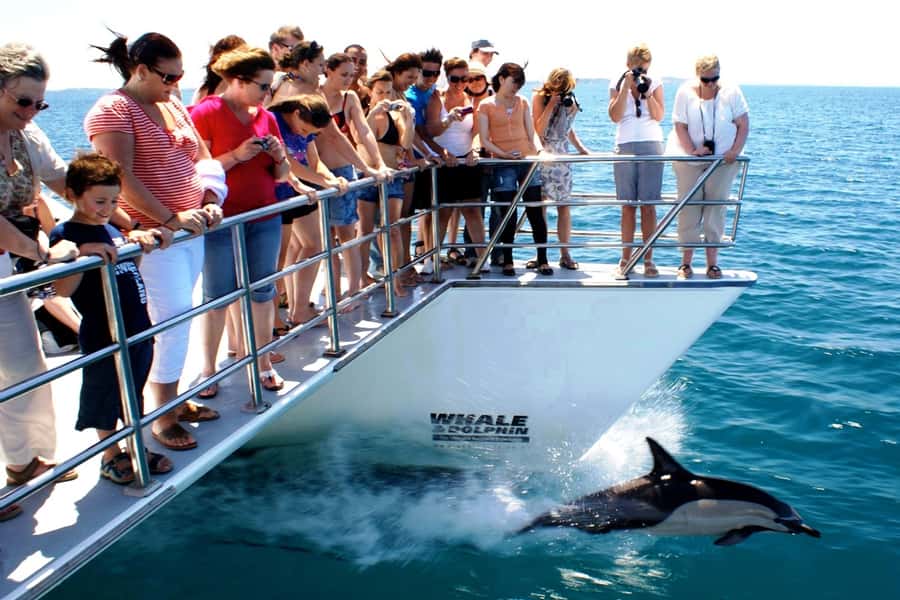
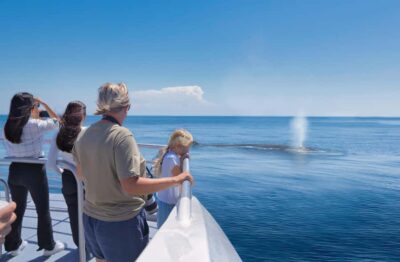
Whale sightings are possible, but they are less predictable than dolphin encounters. The gulf has produced sightings of Bryde’s whales, including trips with two or three animals, as well as more distant whale sightings. Some people have seen several whales, while other trips have produced no whales at all.
That variation is not a flaw in the operation. The ocean is large, and a wildlife cruise cannot control where an animal surfaces. I would book this with the right expectation: you are paying for time in a marine park with a skilled search team, not for a guaranteed whale photograph.
Sharks have also appeared, including blue sharks and a hammerhead shark. These sightings are less central to the advertised experience, but they add another reason to pay attention between dolphin and whale encounters.
The crew may stay out longer when conditions and sightings allow. One particularly successful outing was extended after the boat encountered more whales than usual. That is a generous touch, though you should not assume every trip will run beyond the scheduled 4.5 hours.
The no-mammal policy gives you some protection. If the cruise sees no marine mammals, you can take the trip again for free. This does not guarantee a better result on the second attempt, but it shows that the operator recognizes the difference between a wildlife safari and a fixed attraction.
A marine safari with research behind it
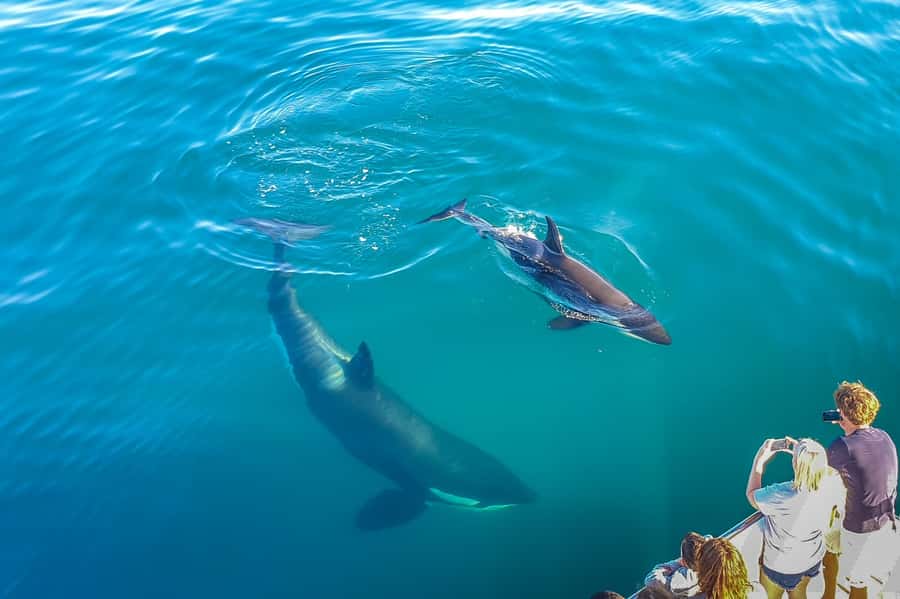
The strongest feature here is the link between tourism and science. The boat is used as a research vessel, and the team may collect plankton samples or discuss how they track marine mammals by following feeding activity and seabird gatherings.
That gives the trip more substance than a standard sightseeing ride. You begin to understand why the crew changes direction, why birds matter, and why a quiet patch of ocean can still be scientifically useful. The talks also cover the surrounding land, geography, and birdlife, so the trip remains interesting even during a slow spell.
One dollar from every ticket goes to the Hauraki Gulf Guardians fund. The operator also presents the cruise as part of efforts to regenerate and protect the marine park. At $130, that conservation connection will matter to some people more than it does to others.
For me, the value depends on how you measure the experience. If you want the cheapest possible way to get on the water, this is not it. If you want a half-day outing with a purpose, a research-minded crew, a comfortable boat, and a fair chance of seeing wildlife close to Auckland, the price is easier to justify.
Weather, clothing, and comfort at sea
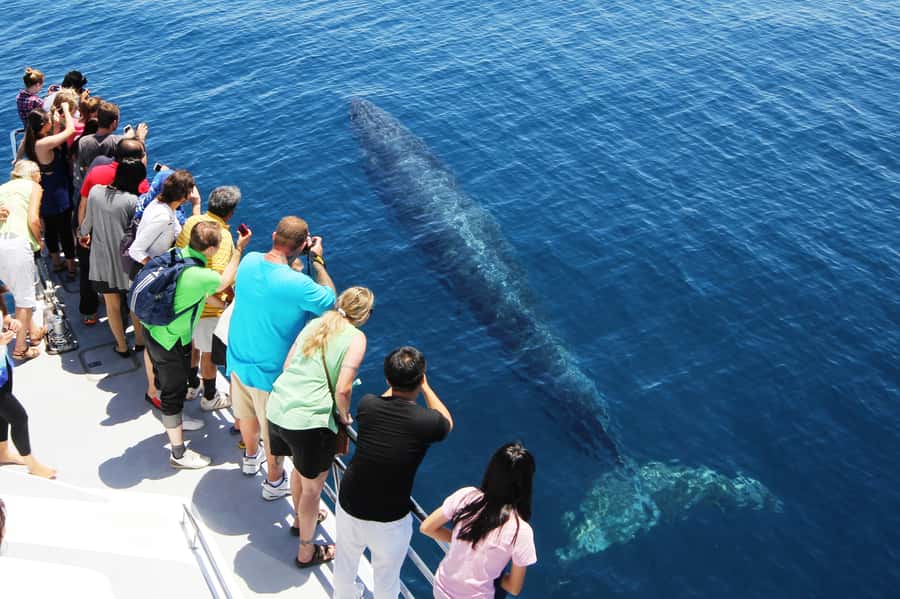
Auckland’s weather can shift quickly, and the gulf may feel much cooler than the city waterfront. Wear warm layers, bring a showerproof jacket, and pack a sun hat and sunscreen. You need both rain protection and sun protection on this trip.
Sea conditions affect more than comfort. Wind and swell can make it harder to spot animals and hear commentary. The provider can cancel a sailing for safety reasons, and recent weather warnings have led to offers of refunds or rebooking. Keep some flexibility in your Auckland schedule if this cruise is important to you.
Take seasickness medication before boarding if you need it. The advice specifically says to take it prior to the trip, not after you begin feeling unwell. Personal medication should also come with you.
There is seating, but this is still a wildlife trip, not a lounge cruise. You may spend time standing, moving between viewing points, or bracing yourself in a breeze. If you want the best chance of hearing the commentary, stay close to the guide during formal talks, then move around when the crew begins searching.
Who will get the most from this cruise?
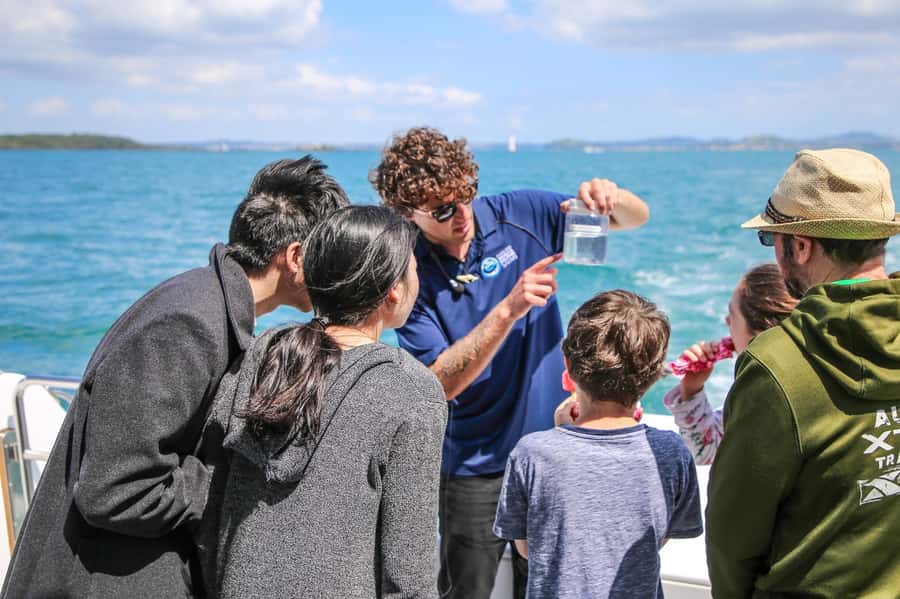
I would recommend this trip to you if you have half a day in Auckland and want to combine scenery, wildlife, and marine science. It suits adults, families with supervised young children, photographers, birdwatchers, and anyone who prefers a conservation-minded outing to a captive-animal attraction.
It is especially good for people who can accept uncertainty. The best trips may bring dolphins, whales, gannets, penguins, and sharks in one outing. A quieter day can still include strong commentary, harbor views, seabirds, and a useful lesson in how marine research works.
I would think twice if you need guaranteed whale sightings, dislike wind and motion, or have limited mobility. The vessel is not wheelchair accessible, and rough conditions may make the ride uncomfortable. The 4.5-hour duration is long enough to feel worthwhile, but also long enough to feel tiring if you are not prepared for the open water.
Book with flexible plans if possible. The cancellation policy allows a full refund up to 24 hours before departure, and reserve-now, pay-later booking is available. Those options are useful when Auckland’s weather looks uncertain.
Should you book the Auckland Whale and Dolphin Safari?
Yes, if you want a serious wildlife search rather than a guaranteed show. The boat leaves from central Auckland, the Hauraki Gulf scenery is excellent, and the crew brings real enthusiasm to marine science and conservation.
The biggest reason to book is the combination of close dolphin viewing and thoughtful interpretation. The biggest reason to hesitate is the price and the possibility of seeing no whales or no mammals. The free return cruise helps, but it cannot change the basic truth of wildlife watching.
Pack warm clothing, seasickness medication if needed, binoculars, and patience. If you can accept that nature sets the schedule, this is one of Auckland’s more meaningful ways to spend half a day.
FAQ
Where does the Auckland whale and dolphin cruise leave from?
The boat leaves from Berth 9 at Eastern Viaduct Marina, at the end of Quay Street heading west. The berth is opposite the Maritime Museum.
How long does the cruise last?
The eco-cruise lasts 270 minutes, or 4.5 hours. Starting times vary, so you need to check availability when booking.
What happens if no marine mammals are seen?
You can take the cruise again for free if no marine mammals are seen during your trip.
What should I bring?
Bring warm clothes, a showerproof jacket, a sun hat, sunscreen, a camera, binoculars, personal medication if required, and seasickness medication taken before the trip.
Is food available on the boat?
A small selection of snacks, hot food, and drinks is available to purchase onboard. This includes beer and wine.
Is the boat wheelchair accessible?
No. The vessel has stairs and narrow doorways, so it is not wheelchair accessible.
More Half-Day Trips in New Zealand
- From Tauranga: Half-Day Swimming with Dolphins Tour
★ 4.3 · 151 reviews - Lanzarote: Lobos Island Half-Day Dolphin Watching Trip
★ 4.2 · 585 reviews - Khasab: Half-Day Dhow Cruise, Dolphin Watching, & Snorkeling
★ 4.9 · 507 reviews - Terceira: Half-Day Dolphin and Whale Watching Tour
★ 4.6 · 219 reviews
More Dolphin Watching Cruises in New Zealand
- Paihia/Russell: Hole in the Rock, Dolphins & Island Cruise
★ 4.6 · 821 reviews - Hole in the Rock Scenic Cruise including Dolphins and Island stop
★ 4.5 · 225 reviews - Motuara Wildlife Sanctuary Tour and Dolphin Cruise from Picton
★ 4.5 · 180 reviews - Half Day Dolphin & Wildlife Cruise – Tauranga
★ 4.5 · 103 reviews
Just added around New Zealand
- Dolphin & Wildlife Encounters★ 5.0 · 6 reviews
- Half Day Dolphin & Wildlife Cruise – Tauranga★ 4.5 · 103 reviews
- Swim With Wild Dolphins in Tauranga★ 4.5 · 189 reviews
- Captain Cook and Dolphin Cruise★ 4.5 · 26 reviews
- Motuara Wildlife Sanctuary Tour and Dolphin Cruise from Picton★ 4.5 · 180 reviews
- Bird Watching and Dolphin Eco-Tour to Blumine Island★ 5.0 · 55 reviews
- The Original Full day Bay of Islands Cruise with Dolphins★ 5.0 · 13 reviews
- Hole in the Rock Scenic Cruise including Dolphins and Island stop★ 4.5 · 225 reviews
New Zealand Dolphin Watching Tours, compared.
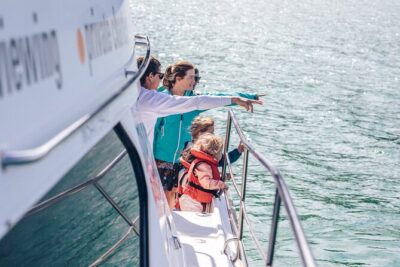
Auckland Dolphin and Whale Watching Eco-Safari Cruise
Read our review →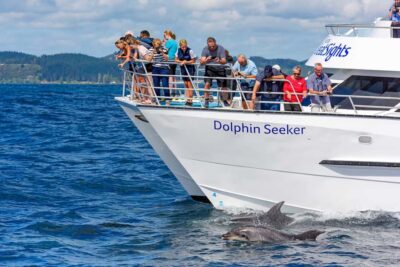
Paihia/Russell: Hole in the Rock, Dolphins & Island Cruise
Read our review →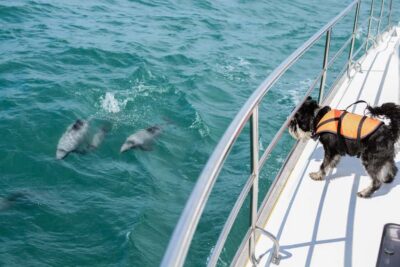
Auckland: Tikapa Moana Whales, Dolphins and Islands Cruise
Read our review →
Hole in the Rock Scenic Cruise including Dolphins and Island stop
Read our review →Browse the lists this tour appears in