
Review · SAN DIEGO
San Diego: Whale and Dolphin Watching Speedboat Tour
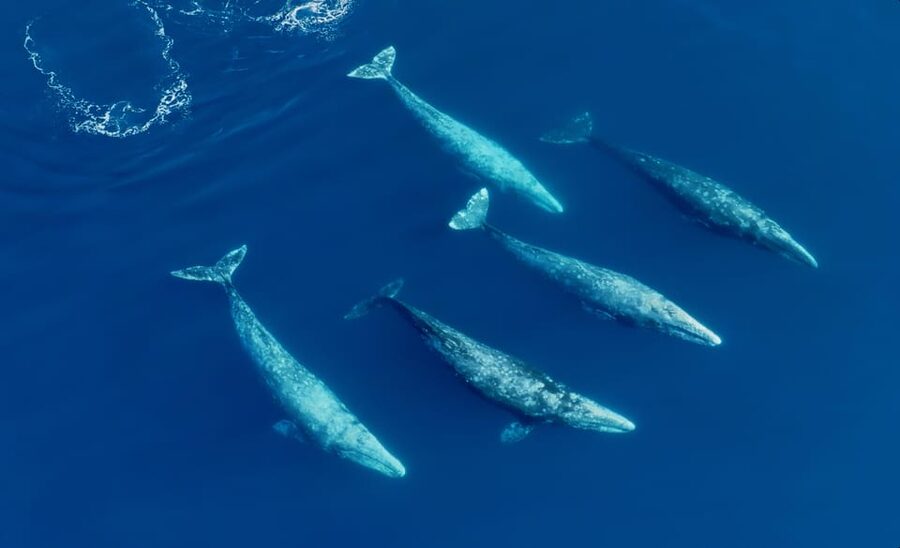
The Pacific can put on quite a show. This three-hour San Diego trip uses a fast Zodiac boat carrying no more than six people, so you get a closer look at whales and dolphins without being packed onto a large vessel. I like the small group and the chance to cover more water quickly. I also like the seasonal wildlife plan, from gray whales in winter to blue whales in summer and humpbacks in fall.
The tradeoff is simple: wildlife is wild. You may see hundreds of dolphins and only a brief whale back, or no whale at all. The speed and open-air seating can also be rough for anyone prone to seasickness, and one past outing received poor marks for limited commentary. Still, the mix of expert guides, a six-passenger boat, and strong dolphin encounters makes this a serious option for ocean lovers.
Key points before you book
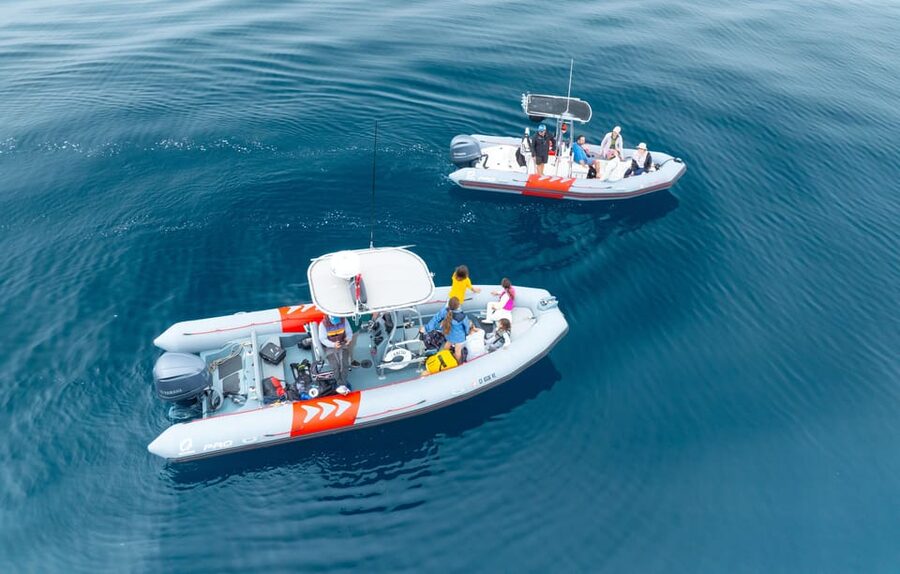
- Six passengers maximum: The semi-private setup gives you far more room than a standard harbor cruise.
- Three seasonal whale patterns: Look for gray whales in winter and spring, blue whales in summer, and humpbacks in fall.
- Dolphins are a year-round possibility: Common, bottlenose, and Risso’s dolphins may appear, with orcas seen only occasionally.
- Fast Zodiac boat: The speed helps the crew cover more ocean, but the ride can feel brisk and bumpy.
- Expert-led outing: Marine biologists and naturalists provide commentary, with English and Spanish available.
- Pack for cold spray: Bring layers, water, sunscreen, a hat, and motion sickness medication if you need it.
Leaving Seaforth Marina in a six-person Zodiac
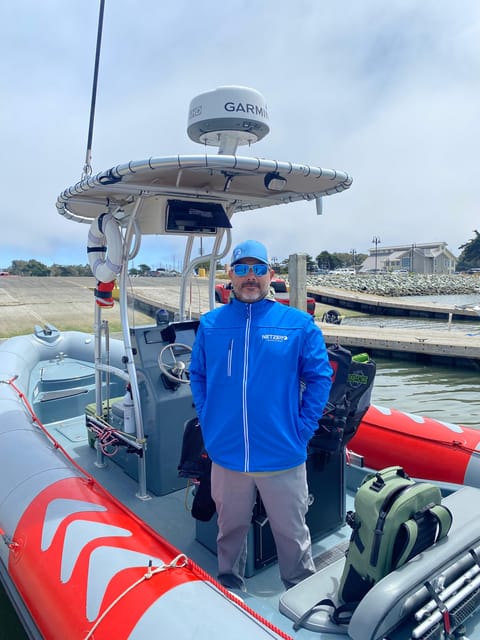
The tour begins at Seaforth Marina, where you wait at the seating lounge in front of the marina office. Look for the large pine tree and the automatic marina gate. Arrive 15 minutes early, since a small boat tour has less room for late arrivals than a big cruise ship.
Once aboard, you are in a rigid inflatable Zodiac, sometimes called a RIB. This type of boat combines a solid hull with inflatable sides. It is built for speed and agility, which matters when the crew needs to search a wide stretch of water for marine life.
The boat holds up to six participants, plus the USCG captain and crew. That size is the heart of the experience. You can ask questions without raising your voice across a crowded deck, move your attention quickly when an animal appears, and avoid the slow boarding process that comes with a large group.
The open boat also means exposure to wind, spray, and sun. Wear layers even if San Diego feels warm on land. A hat, sunscreen, comfortable clothing, and water belong in your day bag. Food and drinks are not included, so eat beforehand and bring your own water.
More Speedboat and RIB Dolphin Trips in the USA:
- 45-Minute Sea Rocket Speed Boat & Dolphin Cruise in Ocean City MD
★ 4.5 · 585 reviews - Dolphin-Watching Speedboat Cruise in Destin Harbor
★ 4.5 · 423 reviews - Sea Screamer Clearwater’s Only Speed Boat Dolphin Watching
★ 5.0 · 251 reviews
Three hours of searching the Pacific
The route is not a fixed sightseeing circuit. You leave Seaforth Marina, spend about three hours on the water around San Diego, and return to the same marina. The crew searches for animals rather than stopping at named attractions, so the day’s character depends on conditions and where wildlife is active.
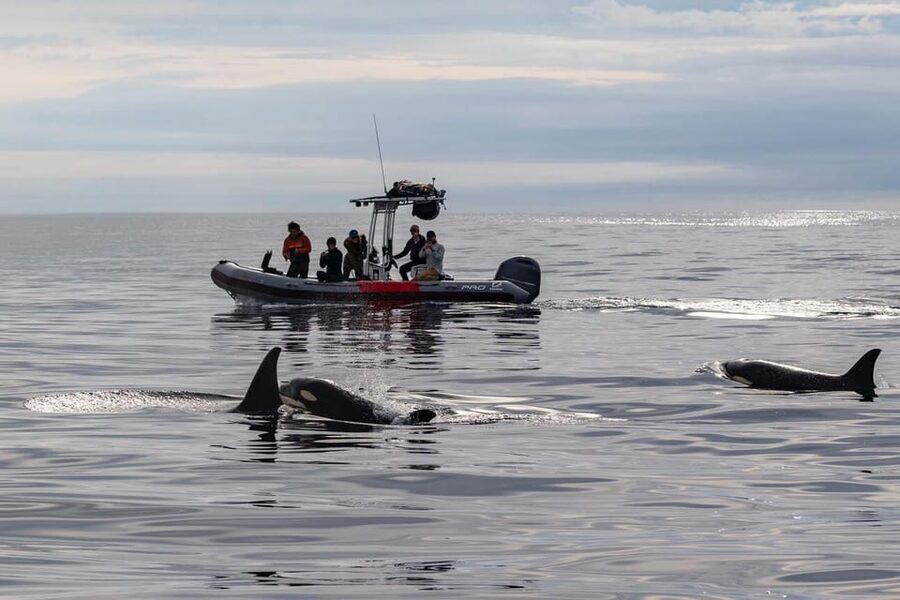
That makes the speed of the boat useful. One outing covered enough ground to find dolphins quickly, while another reached an unexpected group of orcas after about 55 minutes. A smaller boat can adjust its route more easily than a large vessel, and the crew has a better chance of following a moving pod for a while.
The ride itself is part of the attraction. You feel the wind and the motion of the boat rather than simply sitting in a sheltered cabin. That is exciting, but it is not gentle. If you have back problems, are pregnant, or often get seasick, this is not the right format for you. Non-swimmers are also listed as unsuitable, even though you remain aboard during the tour.
Choosing the best season for whales
San Diego’s whale possibilities change through the year. The seasonal pattern gives you a useful reason to choose your dates carefully.
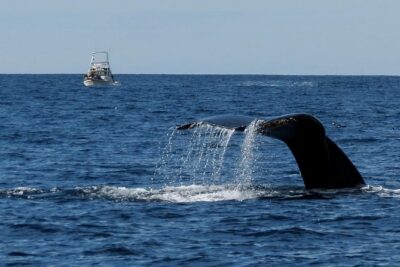
Winter and spring bring gray whales. The tour description specifically points to gray whales during these seasons. You may see a back or blow rather than a full breach, so keep your expectations realistic. Whale watching often rewards patience, and a brief surfacing can be the main sighting of the trip.
Summer is the blue whale season. Blue whales are Southern California’s largest whale species, which gives a summer outing a special appeal. Their size is impressive even when the animal surfaces at a distance, but the experience may be more about scale than acrobatics.
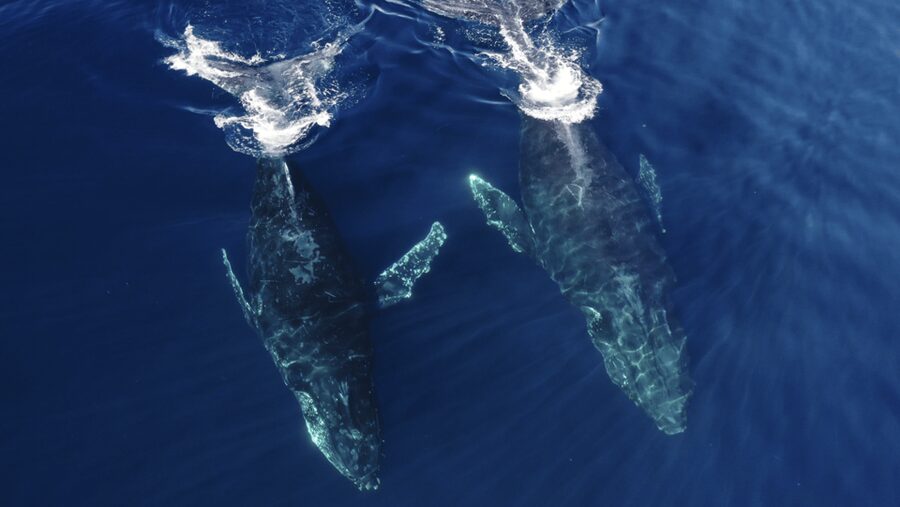
Fall is the time for humpbacks. Humpback whales are known for more active behavior, and the tour highlights their acrobatics. That does not guarantee a breach or tail slap, but fall gives you a chance at the most dramatic whale behavior listed for this trip.
The key point is that no season guarantees a close whale encounter. One highly praised outing saw only a single whale, while dolphins provided most of the action. The crew can search hard, but it cannot order an animal to surface.
Dolphins may be the real stars
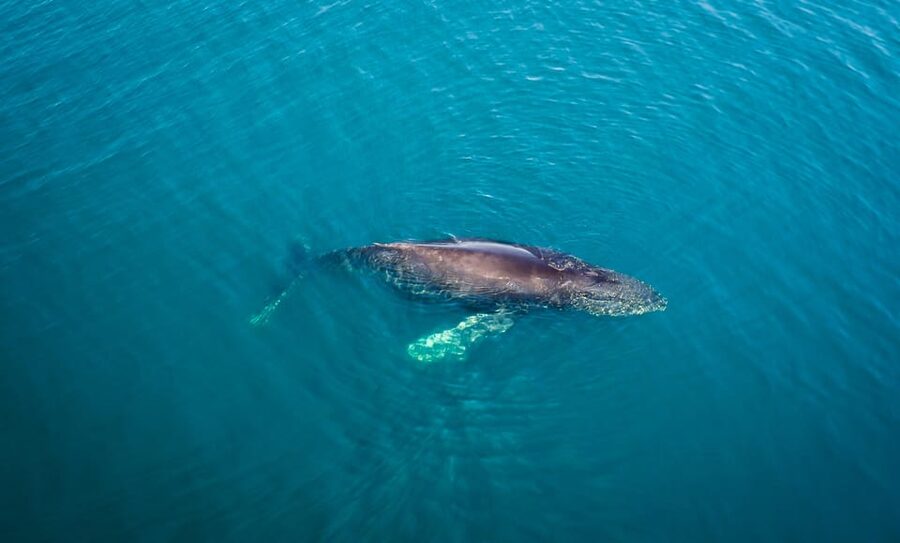
Dolphins are available year-round, and they may provide the most reliable excitement. The tour can encounter common dolphins, bottlenose dolphins, and Risso’s dolphins. Orcas are possible, but the description treats them as an occasional sighting, not a standard part of the route.
The strongest animal encounter reported from the supplied outings involved hundreds of dolphins swimming around the boat for roughly 45 minutes. Another group saw about 500 dolphins, with animals jumping beside the Zodiac. That kind of encounter explains why the smaller boat matters. You are close to the waterline, with fewer people blocking your view and less engine noise than you might find on a much larger vessel.
Still, do not book this expecting a guaranteed dolphin superpod. Wildlife conditions change by day. The right attitude is to value the search itself, then enjoy the excitement when animals appear.
Bring a camera, but keep it ready. A phone can capture a distant back or a quick leap, though the boat’s motion makes still photography tricky. You may get your best memories by watching instead of staring at a screen.
More Whale and Dolphin Watching Tours in the USA:
- Maui Eco-Raft Tour: Eye-Level Whale or Dolphin Watching – Lahaina
★ 5.0 · 2,482 reviews - Monterey: Monterey Bay Dolphin and Whale Watching Boat Tour
★ 4.7 · 1,645 reviews - Luxury Snorkel Cruise, Local Buffet with Whale & Dolphin Watch
★ 4.5 · 1,334 reviews - Dana Point Dolphin and Whale Watching with Underwater Viewing
★ 5.0 · 788 reviews
What the guides add to the ride
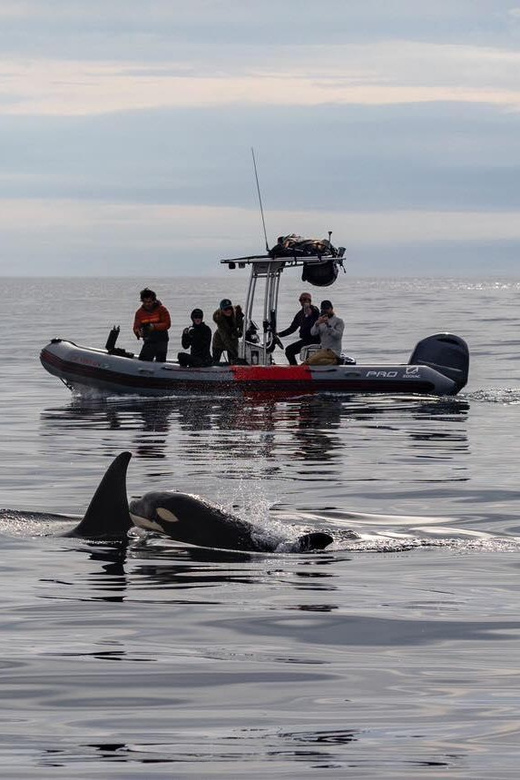
The tour includes commentary from marine biologists and naturalists, along with a USCG captain. English and Spanish are offered. The guide’s role matters because a whale-watching trip is more than spotting fins. Good commentary can help you understand what you are seeing, why animals behave differently, and how to watch them without causing harm.
Several crew members received warm personal praise on recent outings. Captain Jack and crew members Manolo, Carlo, and Havi were described as friendly and determined to keep searching when whales were scarce. Manolo was also praised for making every effort to find animals, while guide Bogart added a relaxed touch with jazz music on the water.
The feedback is not perfectly uniform. One outing reported many dolphins but no whales and little explanation of the whales or surrounding area. That is worth taking seriously. The tour promises expert commentary, but the quality and amount of narration may vary by crew and by how busy the search becomes.
The provider, Netzero Expeditions, places safety and environmental care at the center of the operation. Feeding animals is not allowed, and you should never treat a wild encounter like a petting zoo. The boat’s agility should be used for responsible viewing, not chasing.
How the $188 price earns its keep
At $188 per person, this is not a bargain harbor cruise. It is priced as a small-group wildlife outing, and the comparison that matters is not simply three hours versus three hours. You are paying for a maximum of six participants, a fast boat, a USCG captain, safety equipment, marine specialists, and the chance to cover more water.
The value is strongest if you care about space and access. A large boat may cost less, but you will share the view with many more people. The smaller Zodiac can feel more personal, and you have a better chance to hear the guide and react quickly when dolphins appear.
The price feels less convincing if your only goal is a guaranteed whale sighting. No whale tour can promise that, and one outing saw only a small portion of a whale’s back. You also need to bring your own food and drinks, so plan for that extra small expense.
For me, the best value comes from the possibility of a long dolphin encounter or an unexpected sighting such as orcas. The experience is not cheap, but the small group and speed make it meaningfully different from a mass-market cruise.
Comfort, motion, and practical preparation
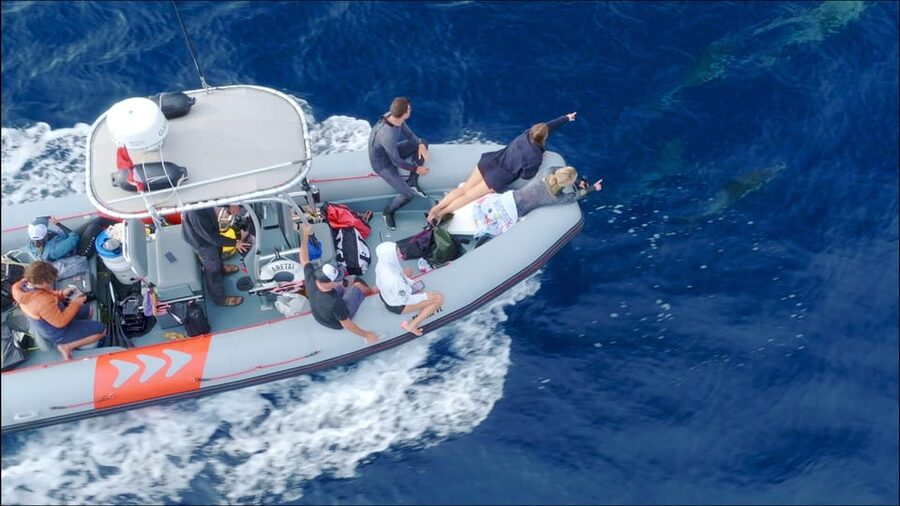
You should check the weather before leaving. Conditions affect both wildlife and comfort, and an open Zodiac gives you little shelter from wind. The operator recommends layers because the water can feel cold even when the city is warm.
Take motion sickness medicine if you are prone to seasickness. This is especially important because the boat is fast and the ride can be active. One person specifically complained about being thrown from the seat by the speed. That may sound funny after the fact, but it is a useful warning to hold on and follow the crew’s instructions.
Wear comfortable clothes that can handle spray. Bring sunscreen, a hat, water, and a camera. Smoking is not allowed, and you may not feed the animals.
Cancellation is flexible up to 24 hours before departure for a full refund, and you can reserve now while paying later. Check available start times when booking, since the tour lasts three hours but the exact departure time can vary.
Who will enjoy this tour most
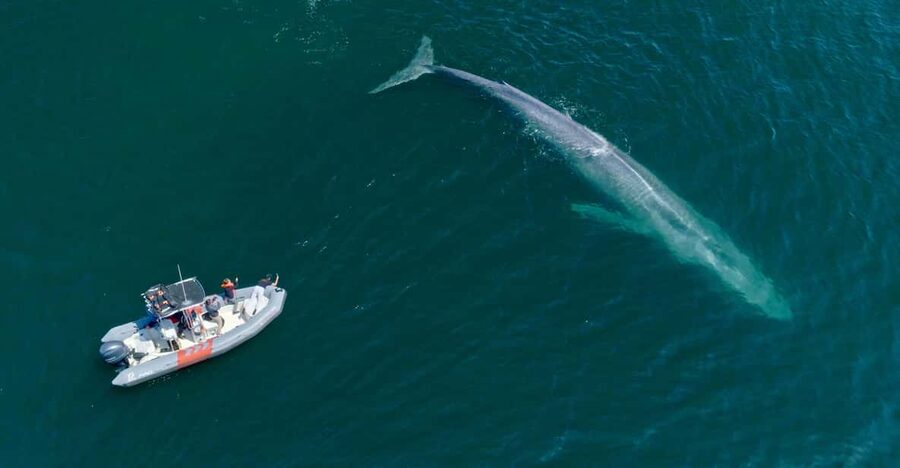
This trip suits you if you want an active ocean experience rather than a quiet cruise. It is a strong match for couples, small families with suitable participants, photographers, and anyone who values a low passenger count.
You should also be comfortable with uncertainty. Some days may bring repeated whale sightings. Other days may give you one whale and a memorable dolphin encounter. The best outings seem to come when the crew finds an active pod and stays patient.
This is not a good choice for pregnant people, anyone with back problems, non-swimmers, or people prone to seasickness. If you need a calm, enclosed ride, choose a larger boat instead. The speed and open seating are central to the experience, not minor details.
Should you book the San Diego speedboat tour?
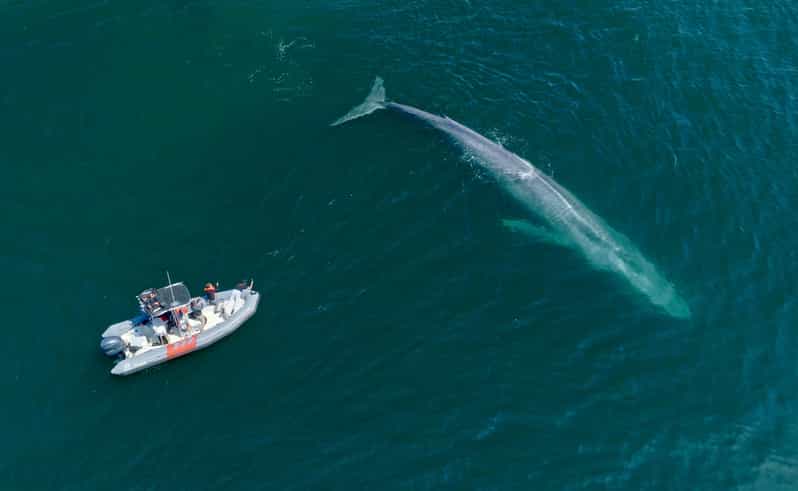
Book it if the small group matters to you and you want the thrill of a fast, open boat. The strongest reason to pay $188 is the chance to spend real time near a large dolphin pod, with only a handful of people competing for the view. Seasonal whale possibilities add another layer, especially blue whales in summer and humpbacks in fall.
Skip it if you need a guaranteed whale sighting, dislike bumpy rides, or want nonstop naturalist commentary. Wildlife can be quiet, and the guide experience may vary.
For the right person, this is worth the extra cost over a mass boat. Go prepared for cold air, motion, and uncertainty, and treat the animals rather than the checklist as the point of the day.
FAQ
Where does the tour begin and end?
The tour begins and ends at Seaforth Marina in San Diego. Wait at the seating lounge in front of the marina office, near the large pine tree and automatic gate.
How long is the boat tour?
The guided speedboat tour lasts three hours, including the return to Seaforth Marina.
How many people can join?
The tour is limited to six participants, making it a semi-private experience.
What animals might I see?
You may see whales, common dolphins, bottlenose dolphins, Risso’s dolphins, and other marine species. Orcas are possible but occasional.
Which whales are associated with each season?
Gray whales are highlighted for winter and spring, blue whales for summer, and humpback whales for fall.
What should I bring?
Bring a hat, camera, sunscreen, water, and comfortable clothing. Wear layers because it can get cold on the water.
Is the tour suitable for people with seasickness or back problems?
No. The tour is not suitable for pregnant women, people with back problems, non-swimmers, or people prone to seasickness. Motion sickness medication is recommended if you are prone to it.
Just added around the USA
- Tiki Time! A Public Cruise to Sandbars, See Dolphins or Sunset.★ 5.0 · 2 reviews
- Private 2-Hour Dolphin Watching Cruise in St. Petersburg, FL★ 5.0 · 7 reviews
- Private Dolphin & Architecture Tour in St. Petersburg, Fl★ 5.0 · 33 reviews
- Private boat offering dolphin watching, island excursions and nature tours★ 5.0 · 33 reviews
- Private Sunset and Dolphin Tour in St. Petersburg, Florida★ 5.0 · 22 reviews
- Private Boat: Island Cruise and Dolphins★ 5.0 · 69 reviews
- Madeira Beach – Shell Key – Dolphins – Half Day Private Boat Tour★ 5.0 · 13 reviews
- Egmont Key Snorkeling Dolphin Tour★ 5.0 · 98 reviews
San Diego Dolphin Watching Tours, compared.
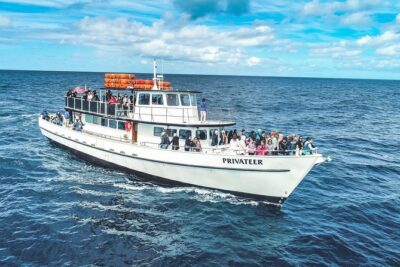
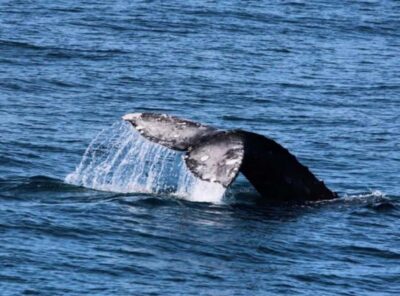
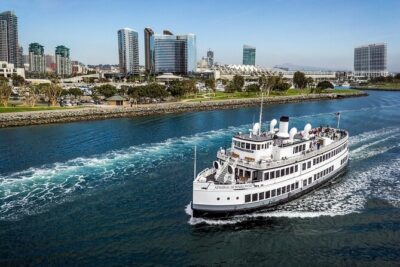
City Cruises San Diego: Whale and Dolphin Watching Adventure
Read our review →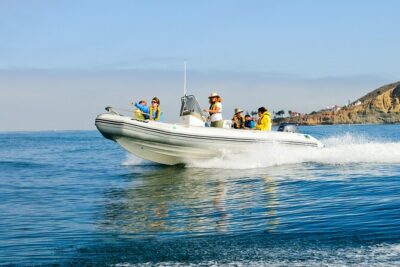
Private Family Whale & Dolphin Adventure in San Diego
Read our review →
San Diego Whale/Dolphin Watching Cruise Aboard Luxury Vessel
Read our review →
3-Hour Guided Whale and Dolphin Watching Experience in San Diego
Read our review →Browse the lists this tour appears in