
Review · SAN DIEGO
San Diego: Whale and Dolphin Watching Cruise
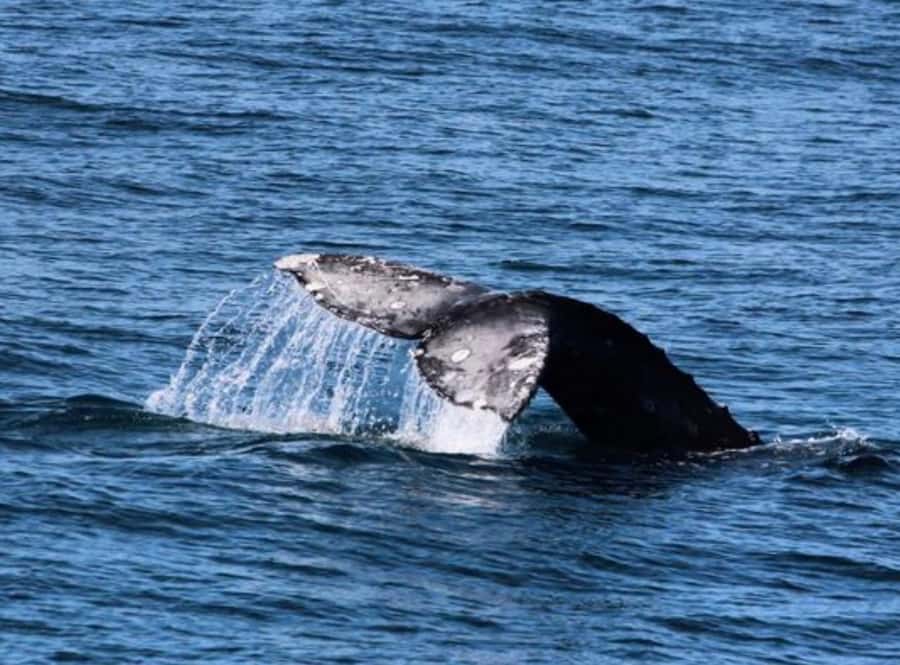
Wildlife does not follow a timetable. This four-hour cruise gives you a real chance to see gray whales, blue whales, dolphins, sea lions, and more while learning about San Diego’s harbor and marine environment. I like the expert naturalist narration and the chance to see huge pods of dolphins racing alongside the boat. I also like the whale-or-dolphin guarantee, which offers a return pass if the ocean stays quiet.
The main drawback is simple: wildlife sightings are never fully under your control. You may see several whale species, hundreds of dolphins, and a mola mola, or you may see only distant blows and sea lions. The boat can also get cold and rough, so bring a jacket and consider motion-sickness medicine.
Key things to know before booking
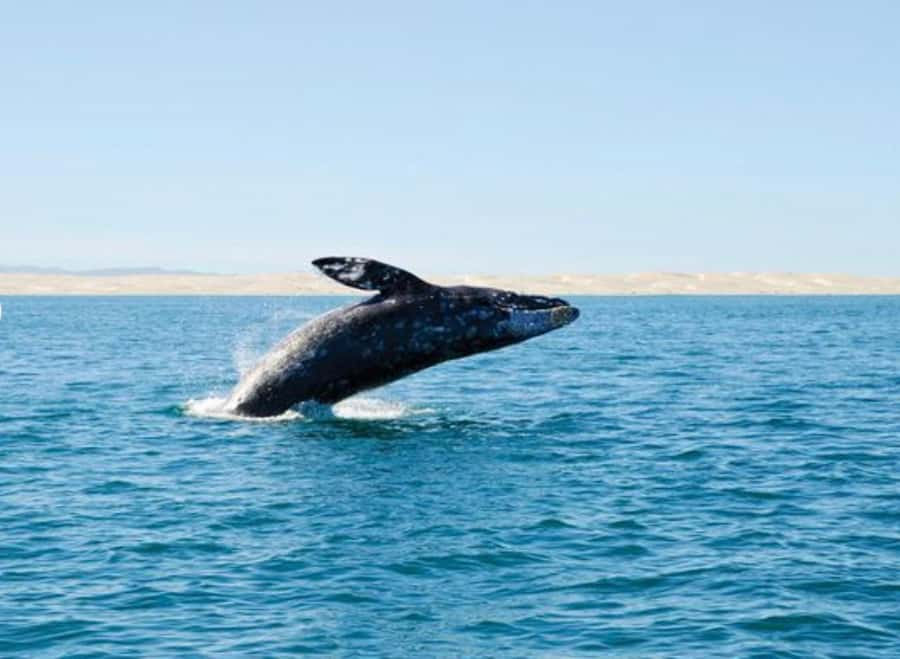
- Gray whales pass San Diego in winter and spring as they travel between Alaska and Baja California.
- Blue whales are most common offshore in summer, along with fin, humpback, and minke whales.
- Dolphin pods can be spectacular, sometimes numbering in the hundreds and swimming beside the boat.
- The Natural History Museum’s volunteer naturalists provide live information about wildlife, conservation, the harbor, and nearby ships.
- A whale or dolphin sighting is guaranteed, with a return pass offered if neither appears.
- Outdoor deck access requires stairs, and current restrictions mean the cruise is not suitable for wheelchair users.
Setting out from San Diego Harbor
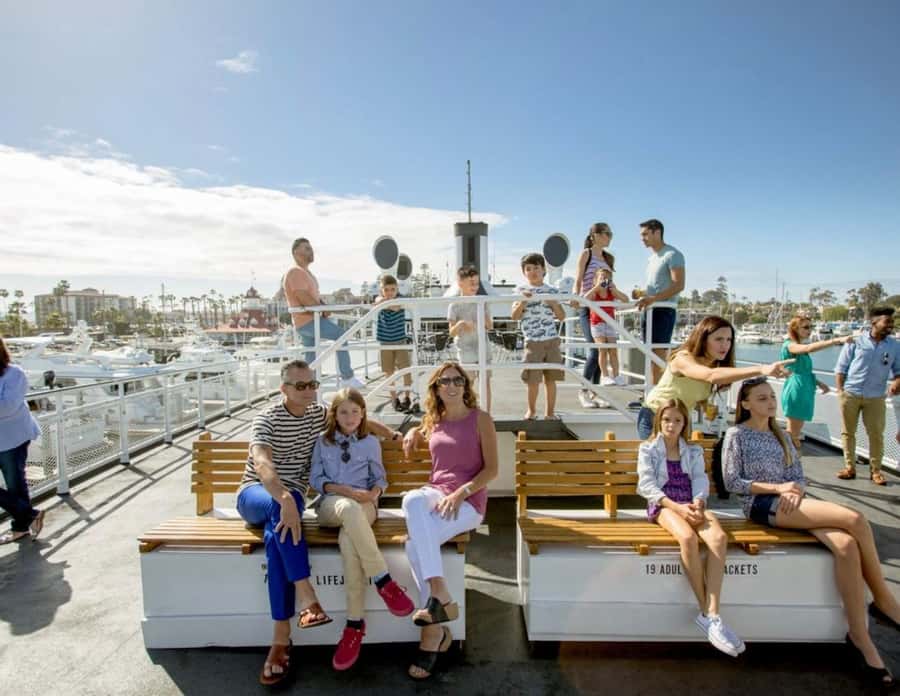
Your cruise begins at Pier 2, at 970 North Harbor Drive. The boat returns to this same point after roughly three and a half to four hours, so allow most of a morning or afternoon for the outing.
The harbor departure gives you a useful first look at San Diego from the water. As you move away from the pier, the narration may cover local ships, port activity, military equipment, and environmental work. This part is more than filler before the whales appear. It helps you understand the working harbor you might otherwise see only from shore.
The cruise offers indoor and outdoor seating. That matters because conditions can change quickly once you leave sheltered water. You may begin in sunshine, then want a jacket when the wind picks up offshore. If you want the best chance of spotting a blow or fin, head outside when possible, but keep the indoor seating in mind as a warm refuge.
Try to arrive ready to listen and look around. You are not simply being transported to a fixed viewing platform. The captain and naturalists watch the water, respond to reports from other boats, and adjust the search as wildlife appears.
More Dolphin Watching Cruises in the USA
- Shell Island Snorkel and Dolphin Catamaran Cruise with Island Time
★ 5.0 · 4,362 reviews - Sunset & Dolphin Catamaran Cruise with Island Time
★ 5.0 · 1,867 reviews - Small Group 2 Hour Dolphin Cruise with Snorkeling to Shell Key
★ 5.0 · 1,523 reviews
Four hours on the Pacific
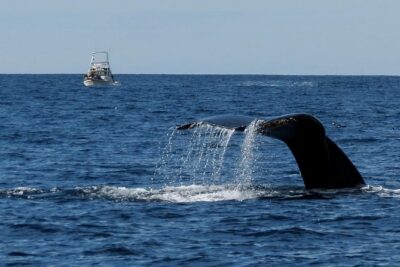
The main part of the cruise takes place offshore, where you search for signs of marine life. A whale may reveal itself with a spout, a dark back, a fin, or a brief tail fluke. Sometimes you get only a few seconds of viewing before the animal disappears again.
That uncertainty is part of the experience, but it can also test your patience. The boat may slow or change direction several times while the crew tries to place passengers where they can see. You should expect periods of open water with nothing obvious in sight. Bring sunglasses and a sun hat, and keep your eyes moving rather than staring at one patch of sea.
The boat is described as large, fast, and stable, which helps during a long outing. Still, several hours on the Pacific can be tiring, especially if the water is choppy. If you are prone to motion sickness, take sensible precautions before boarding. Sea-sickness can turn an otherwise exciting cruise into a long afternoon.
The crew’s approach also deserves credit. Captains try to get you close enough for a useful view without crowding the animals. That means you should not expect a theme-park encounter or a whale to surface on command. Responsible viewing often means accepting a shorter look rather than pushing too close.
Gray whales from winter through spring
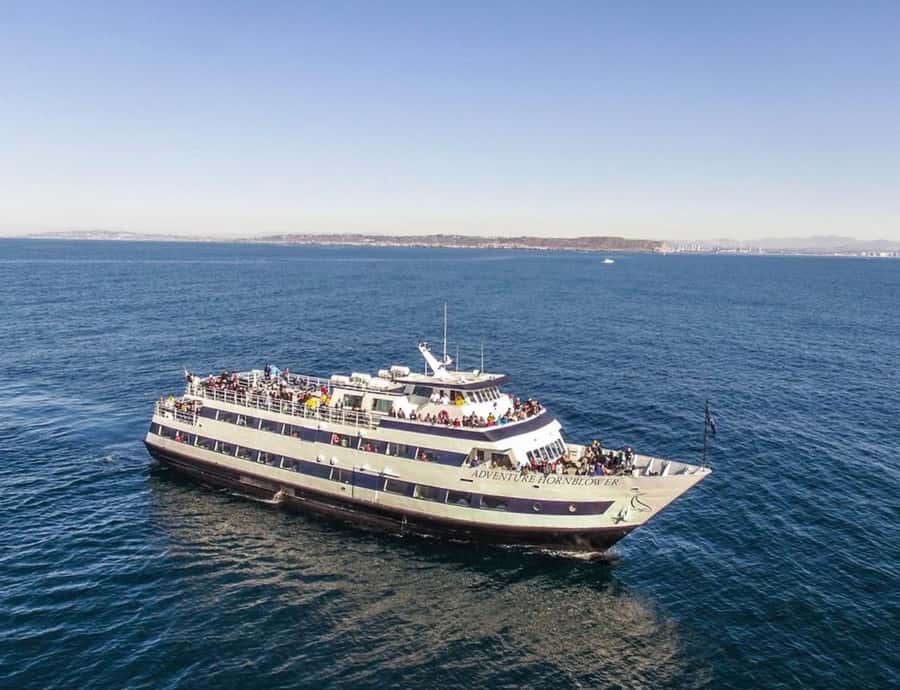
Winter and spring are the key seasons for gray whales. They travel south from feeding grounds in Alaskan waters toward calving lagoons in Baja California, then head north again. San Diego sits along this migration route, making the cruise a good way to connect a city visit with one of North America’s great seasonal movements.
A gray whale can be hard to spot at first. Its coloring blends into the water, and it does not always produce a dramatic breach. The reward is in watching the pattern: a blow, a rolling back, a pause, then another appearance farther away.
You might also see a calf traveling with its mother during the return journey. That possibility adds emotional weight to the trip, but it is not a promise. Wildlife viewing works best when you treat every sighting as a gift rather than a scheduled performance.
If gray whales are your main goal, winter and spring give you the strongest seasonal reason to book. Even then, conditions, animal movement, and luck matter. The guarantee protects you from coming away without any whale or dolphin sighting, but it cannot guarantee a particular species.
Blue whales and summer visitors
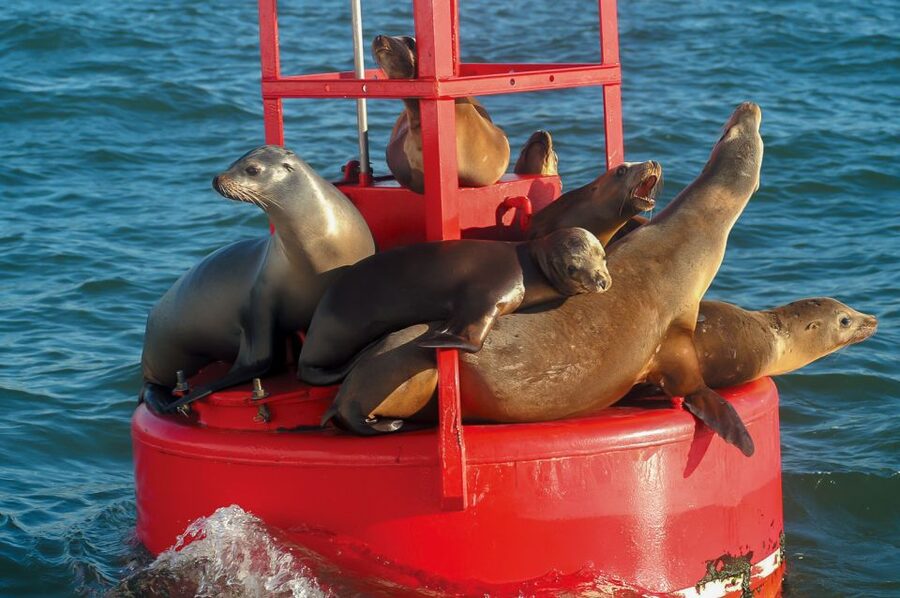
Summer brings the chance to see blue whales, the largest animals on Earth. These immense whales commonly feed offshore from San Diego during the warmer months. Their scale can be difficult to grasp from a boat because you usually see only part of the body at the surface.
Summer may also bring fin, humpback, and minke whales. A humpback can offer more obvious surface behavior, while a fin whale may appear as a long, fast-moving shape. Each species creates a different kind of sighting, and the naturalists help explain what you are seeing.
The best whale trip is not always the one with the most dramatic animal. A blue whale surfacing at a distance may be memorable because of its size, while a humpback may hold your attention through repeated appearances. Keep your expectations broad. The crew may locate a species you had not considered before leaving the harbor.
One especially strong sighting described from this cruise involved a fin whale and a fast-moving blue whale, along with dolphins, a shark, and sunfish. That is an unusually full day, but it shows the range of marine life possible along this coast.
More Whale and Dolphin Watching Tours in the USA:
- Maui Eco-Raft Tour: Eye-Level Whale or Dolphin Watching – Lahaina
★ 5.0 · 2,482 reviews - Monterey: Monterey Bay Dolphin and Whale Watching Boat Tour
★ 4.7 · 1,645 reviews - Luxury Snorkel Cruise, Local Buffet with Whale & Dolphin Watch
★ 4.5 · 1,334 reviews - Dana Point Dolphin and Whale Watching with Underwater Viewing
★ 5.0 · 788 reviews
Dolphins often steal the show
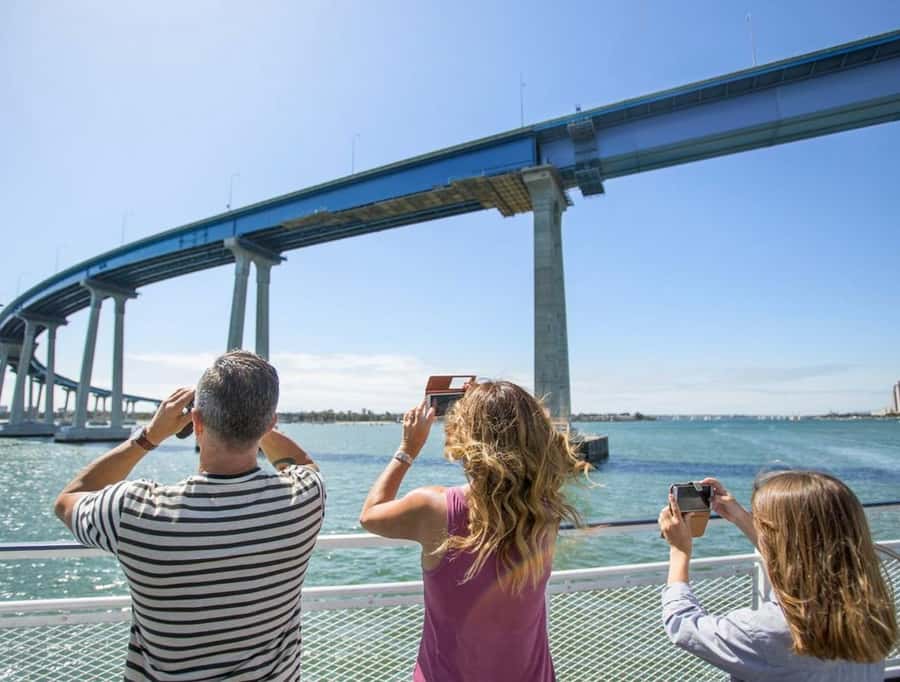
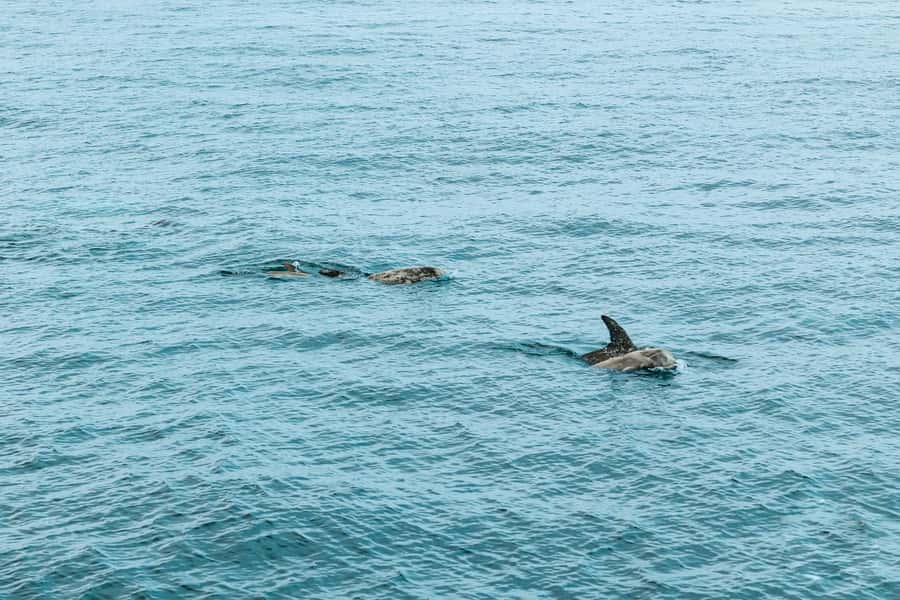
If the whales stay hidden, dolphins may save the day. Common dolphins are frequently seen, and other possible species include Risso’s, Pacific white-sided, and bottlenose dolphins.
Large pods can be thrilling. They may travel beside the boat, cut across its path, or gather in a feeding group. One outing produced hundreds of common dolphins in what was described as a feeding frenzy. That kind of encounter gives you action at close range, even when the whales remain distant.
Dolphins are also easier to miss than you might expect. A pod can appear suddenly and vanish just as fast. Listen for announcements from the captain and crew, then move quickly but carefully to a viewing area. Your best view may last only a few seconds.
The whale-or-dolphin guarantee is valuable here. If neither animal appears, you receive a pass for another San Diego whale-watching or harbor cruise. Check the exact terms of the pass when you receive it, since a return visit may not fit every schedule. Still, the policy reduces the risk of paying for a wildlife cruise and seeing nothing at all.
Sea lions, sunfish, birds, and surprises
The cruise is not only about whales and dolphins. Keep watch for sea lions, harbor seals, mola mola, fish, and marine birds such as herons, terns, pelicans, and gulls.
A mola mola, or ocean sunfish, can be a particularly odd sight. Its broad body may appear briefly at the surface, often looking less like a classic fish than a strange floating disk. Sea lions offer a more familiar spectacle, especially when they surface near harbor areas.
Birdlife gives you something to watch during quiet stretches. Pelicans, gulls, terns, and herons each use the coast in different ways, and the naturalists can help identify them. These smaller sightings keep the trip interesting when the whales are not cooperating.
You may also see working ships, military equipment, and even a submarine. The submarine will not count as marine wildlife, of course, but it adds a distinctly San Diego touch to the harbor portion of the cruise.
The naturalist narration adds real value
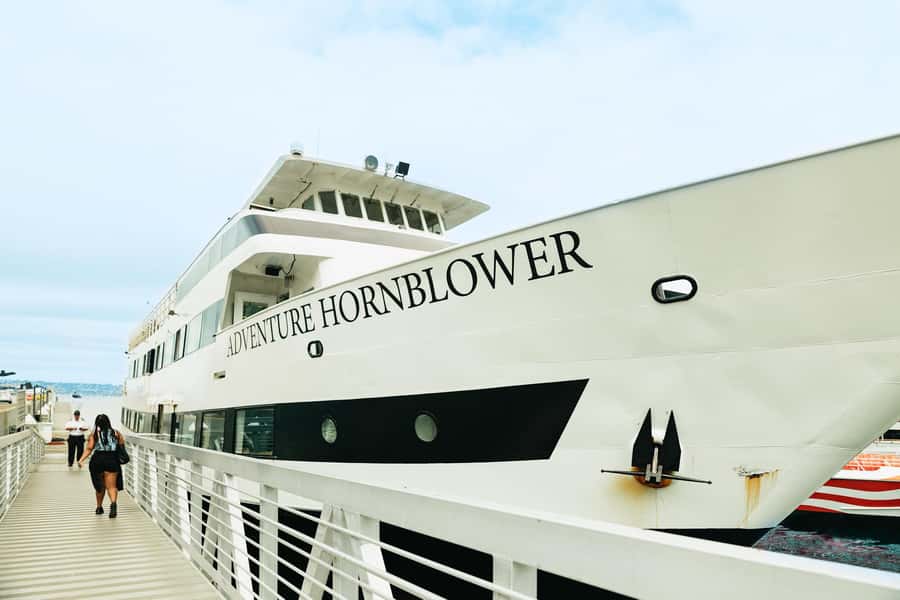
The live narration is one of the strongest parts of the experience. Volunteer naturalists connected with the San Diego Natural History Museum provide information about the animals, local conservation work, the harbor, and the marine environment.
That context changes the feel of the trip. Instead of simply pointing at a fin, the crew can explain what species you may be seeing and why it is in these waters. They also help you understand why responsible boat handling matters.
Captain Rick received special praise for keeping the trip entertaining while pointing out whales and other sights. Captains and naturalists can vary by departure, so do not book expecting a particular person. You can expect the general benefit of a trained crew and live English narration.
The commentary may be harder to hear on the outer decks, especially if you are seated far from the naturalists or if wind rises. One practical tip is to move closer to the main narration area when information matters to you. You can always step away later to scan the water.
Price, timing, and what your $77 buys
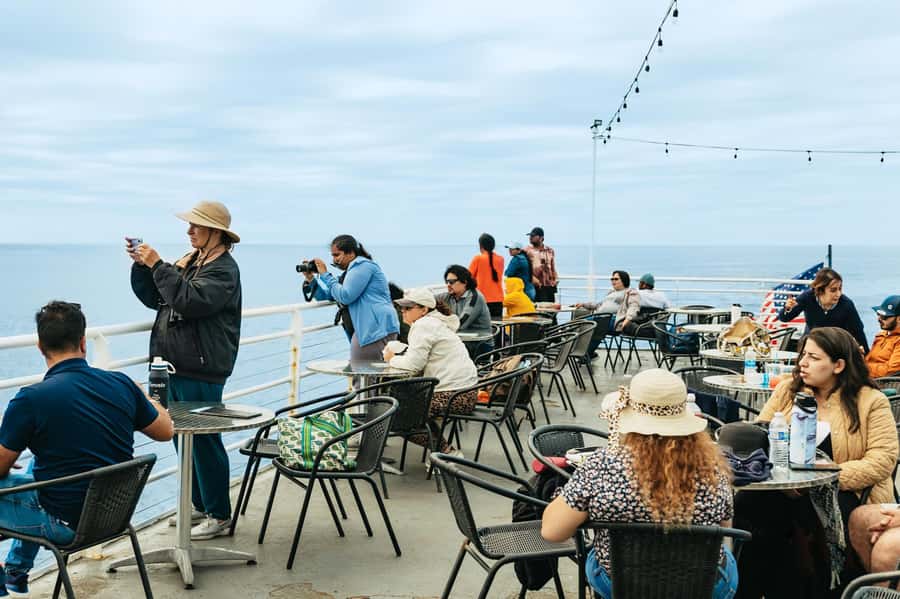
At $77 per person, this is not a cheap harbor ride, but the four-hour duration makes it a reasonable value for a dedicated wildlife outing. You are paying for a large boat, crew, marine interpretation, indoor and outdoor seating, and the chance to spend several hours offshore rather than making a short loop around the bay.
The value improves if you see a major whale or a large dolphin pod. It also improves if you care about learning how the harbor and local conservation efforts fit together. If you only want a quick view of San Diego from the water, a shorter harbor cruise may suit you better.
Food and drinks are sold onboard but are not included. Bring sunglasses, a sun hat, and a jacket. You may want to buy something onboard, but do not rely on the ticket price covering snacks or drinks.
Parking near the harbor can be an issue, so allow extra time before check-in. Hotel pickup and drop-off are not included. You must make your own way to Pier 2.
Who will enjoy this cruise most
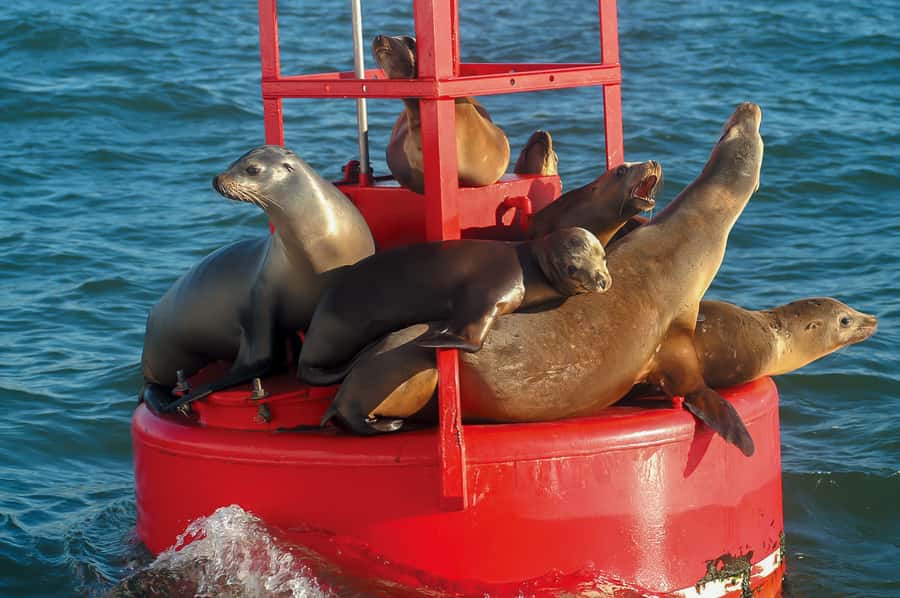
I would recommend this trip to families, couples, local residents, and anyone who likes wildlife but accepts some uncertainty. Children may especially enjoy dolphins, sea lions, and the possibility of a whale calf, though a four-hour outing can feel long if they lose interest during quiet periods.
It also suits people who want more than a standard sightseeing boat ride. The harbor views, ship commentary, and marine information give the cruise several layers. You can enjoy the trip even when the animals are elusive.
It is less suitable for anyone who needs guaranteed close-up whale sightings, has serious motion-sickness concerns, or cannot use stairs to reach the outer decks. The current accessibility information is important: although the activity is sometimes described as wheelchair accessible, outdoor deck access is by stairs, and current restrictions mean it is not suitable for wheelchair users.
If your group wants to sit together, make one reservation for everyone. Separate bookings may not be placed together.
Cancellation and return-trip protection
You can cancel up to 24 hours before departure for a full refund. You can also reserve now and pay later, which helps if your plans are still shifting.
The return pass is the most useful safeguard. If the cruise sees neither a whale nor a dolphin, the operator issues a pass for another whale-watching or harbor cruise. It does not remove the time cost of returning, but it shows a fair approach to an activity controlled by nature.
Book with enough flexibility to use that pass if needed. A quiet first trip is not necessarily a bad trip, but it may leave you wanting another chance.
Should you book the San Diego whale cruise?
Book it if you can give the outing four hours, enjoy natural history, and are happy to trade certainty for the possibility of a remarkable sighting. The best reasons to go are the skilled narration, strong dolphin potential, seasonal whale variety, and the return pass if wildlife does not appear.
Choose your timing with care. Winter and spring favor gray whales, while summer offers the possibility of blue, fin, humpback, and minke whales. Pack for wind, plan for motion on the water, and arrive with realistic expectations.
I would book this cruise for the chance to see San Diego’s marine life in the wild, not for a guaranteed postcard moment. Some days bring hundreds of dolphins and several whale species. Other days bring a few distant sightings and a voucher. Either way, the crew gives you a thoughtful look at the ocean beyond the city.
FAQ
How long is the whale-watching cruise?
The cruise lasts approximately three and a half to four hours. Check availability for the exact departure time and duration offered on your date.
Where does the cruise depart?
You check in at Pier 2, 970 North Harbor Drive, in San Diego Harbor. The cruise ends back at the same meeting point.
What whales might I see?
Gray whales are common seasonal possibilities in winter and spring. Summer may bring blue, fin, humpback, and minke whales.
Are dolphins guaranteed?
The experience guarantees a sighting of some type of whale or dolphin. If you see neither, you receive a pass for another San Diego whale-watching or harbor cruise.
Is food included?
No. Food and drinks are available for purchase onboard but are not included in the ticket price.
Is the cruise wheelchair accessible?
Current information says the cruise is not suitable for wheelchair users because access to the outer decks requires stairs and temporary outdoor seating restrictions affect accessibility.
Just added around the USA
- Tiki Time! A Public Cruise to Sandbars, See Dolphins or Sunset.★ 5.0 · 2 reviews
- Private 2-Hour Dolphin Watching Cruise in St. Petersburg, FL★ 5.0 · 7 reviews
- Private Dolphin & Architecture Tour in St. Petersburg, Fl★ 5.0 · 33 reviews
- Private boat offering dolphin watching, island excursions and nature tours★ 5.0 · 33 reviews
- Private Sunset and Dolphin Tour in St. Petersburg, Florida★ 5.0 · 22 reviews
- Private Boat: Island Cruise and Dolphins★ 5.0 · 69 reviews
- Madeira Beach – Shell Key – Dolphins – Half Day Private Boat Tour★ 5.0 · 13 reviews
- Egmont Key Snorkeling Dolphin Tour★ 5.0 · 98 reviews
San Diego Dolphin Watching Tours, compared.
City Cruises San Diego: Whale and Dolphin Watching Adventure
Read our review →
Private Family Whale & Dolphin Adventure in San Diego
Read our review →
San Diego Whale/Dolphin Watching Cruise Aboard Luxury Vessel
Read our review →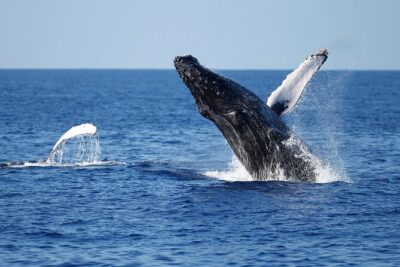
3-Hour Guided Whale and Dolphin Watching Experience in San Diego
Read our review →
Browse the lists this tour appears in