
Review · AUSTRALIA
Kayaking with Dolphins in Byron Bay Guided Tour
Byron Bay gets better from a kayak. I like the chance to paddle near wild bottlenose dolphins, and I like the guides’ friendly, hands-on help, especially for nervous first-timers and solo visitors. The main catch is the open ocean: you can get wet, work hard, and meet rough conditions.
This 2.5-hour trip costs $63.83 per person, with morning and afternoon departures. Dolphin sightings come with a free return promise, but that means another tour rather than a refund. If you dislike choppy water or lack the strength to paddle your own kayak, think twice before booking.
Key points to know before you book
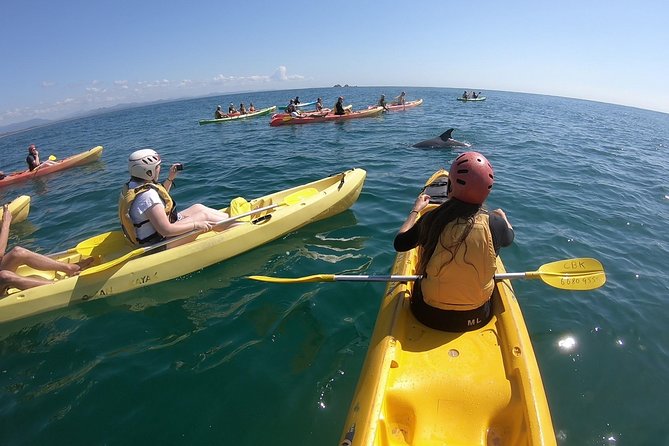
- Dolphins are the main event: Local pods can number more than 300, and they may swim close to the kayaks.
- This is open-ocean kayaking: Calm water is possible, but wind, waves, and spray are part of the deal.
- Beginners can join: The sit-on-top kayaks are stable, and guides give safety and paddling instructions.
- Whales and turtles are possible extras: Humpback whales are most likely from May through November.
- The wildlife promise has limits: No dolphins means a free return tour, not a cash refund.
- Solo visitors are welcome: You may be paired with another participant or a guide.
What the Byron Bay kayak trip is really like
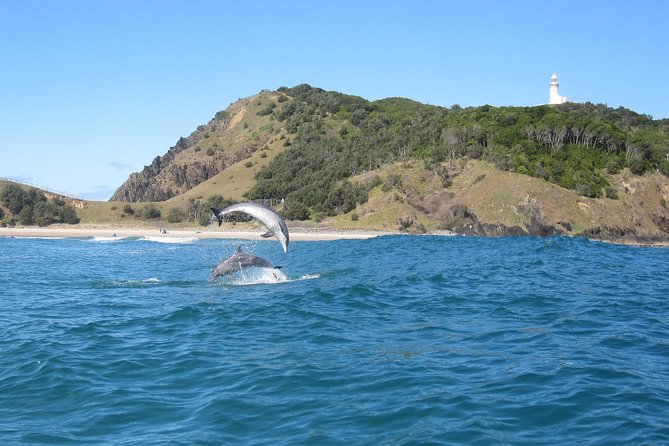
Cape Byron Marine Park gives this outing more substance than a standard beach paddle. You are not simply circling near shore and hoping something appears. The guides lead the group into the marine park, watching the water and steering toward places where local bottlenose dolphins are often seen.
The advertised tour lasts about two hours and 30 minutes. That includes preparation, the safety briefing, paddling, wildlife watching, and a beach stop for hot drinks and chocolate biscuits. The group can reach up to 32 people, so this is a proper guided outing rather than a private wildlife charter.
I like that the experience keeps the focus on animals in their natural setting. Dolphins are not trained performers, and there is no promise that they will leap on command. You may see them swimming, splashing, or jumping close to your kayak. You may also see them farther away, or not at all.
The average rating of 4.4 from 384 ratings reflects that balance. Many outings produce memorable dolphin sightings, while a few become mainly a sea-kayaking trip. The wildlife guarantee offers some protection, but only if you have enough time to return to Byron Bay.
More Kayak Dolphin Tours in Australia
- Adelaide: Dolphin Sanctuary Eco Kayaking Tour
★ 4.5 · 560 reviews - Epic Kayak With Dolphins & Wildlife – 4WD Beach Adventure Noosa
★ 5.0 · 366 reviews - Dolphin Sanctuary Kayak Tour Adelaide
★ 4.5 · 355 reviews
Meeting at 62 Lawson Street
You meet at Cape Byron Kayaks, opposite 62 Lawson Street in central Byron Bay. The tour ends back at the same meeting point, and hotel pickup is not included.
Plan to arrive at least 15 minutes before departure. That gives you time to check in, sign the public liability waiver, collect equipment, and listen to the briefing without rushing. The meeting point is near public transport, which helps if you are staying in Byron Bay without a car.
There is one useful timing trap for people coming from Queensland. New South Wales observes daylight saving in summer, while Queensland does not, so check the local time carefully. Missing the departure because of a one-hour difference would be an expensive mistake.
Bring a towel, water bottle, sun protection, and a waterproof camera. Anything you take onto the water should be treated as something that may get soaked or lost. A waterproof phone case is a sensible choice if you want photographs without turning your phone into a very costly sea biscuit.
Getting into the two-person kayaks
The tour uses two-person, sit-on-top sea kayaks. They are designed for stability and fairly easy handling, which makes them less intimidating than a narrow enclosed kayak. You receive a paddle and safety vest, and wetsuits are available on request.
You do not need previous kayaking experience. That does not mean the outing is effortless. You still need a reasonable fitness level, confidence in open water, and the ability to paddle your own kayak in moderate conditions.
This distinction matters. Several positive outings involved beginners who received patient support from the guides. One first-time pair struggled with their kayak and was moved so that one person could paddle with an instructor. Solo participants have also been paired with guides, including a visitor who shared a kayak with Darby and enjoyed catching waves under close supervision.
The arrangement can be reassuring, but you should not book expecting a guide to do all the paddling. The conditions may require steady effort, especially with gusty winds or waves. The operator specifically says that being unable to paddle in moderate conditions is not grounds for a refund.
The safety briefing and the first paddle
Before leaving shore, the guides explain how to paddle in a straight line, turn, and respond if you fall out. You will also be reminded that the tour runs in the open ocean and that anything carried on board can get wet.
The early part of the paddle is about finding your rhythm. Two people in one kayak need to coordinate their strokes, which is simple once you settle into it but awkward for a few minutes at first. Clear instructions help, and the guides stay with the group rather than sending you off alone.
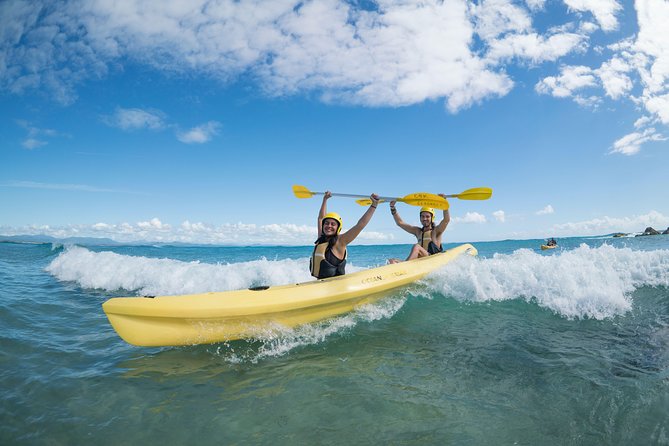
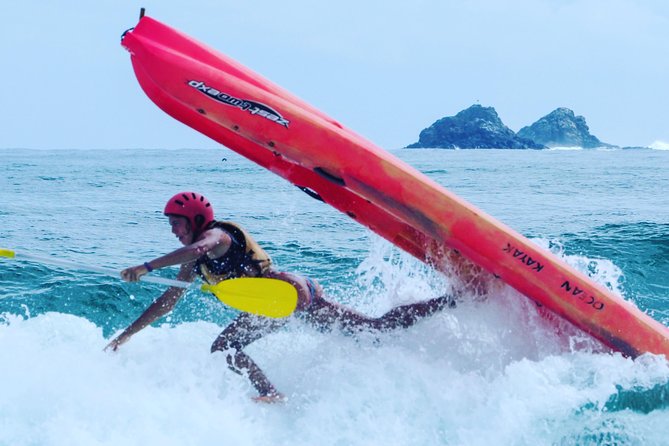
This is where the experience can split into two very different versions. In calm conditions, the marine park feels approachable and the paddle is described as relaxing rather than punishing. With offshore wind and higher waves, it becomes a genuine workout. Some outings include riding small ocean waves, which can be great fun, but it can also feel alarming if you have never handled a kayak in moving water.
You must be able to swim 25 metres without help if you are aged 18 or older. Children under 16 must be accompanied by an adult, and children under five are not recommended. Every participant needs to be confident in the open water, not simply comfortable in a swimming pool.
Same stretch of coast, a different way out:
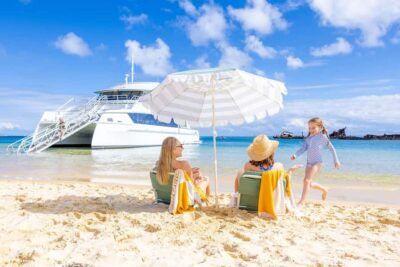
- Moreton Island: Dolphin & Tangalooma Wrecks Snorkel Cruise
★ 4.5 · 1,039 reviews - Port Stephens: Dolphin Discovery Cruise
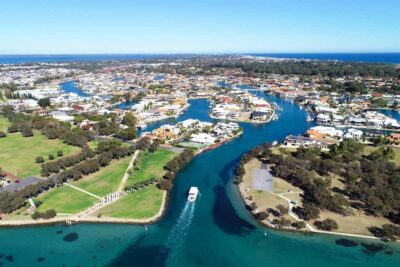
★ 4.4 · 926 reviews - Mandurah: Dolphin and Views Cruise
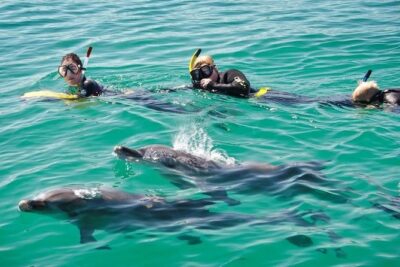
★ 4.6 · 920 reviews - Swim with Wild Dolphins Day Tour
★ 4.5 · 669 reviews
Searching for dolphins in Cape Byron Marine Park
The guides use their knowledge of the local water to look for a resident pod said to number more than 300 dolphins. The animals are wild, so the route and the amount of time spent near them depend on where they are moving.
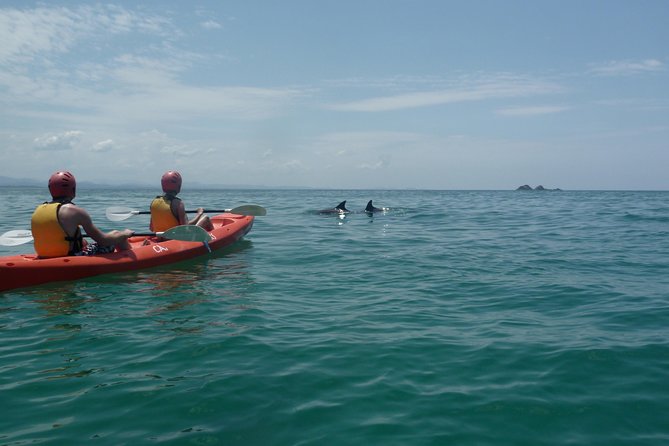
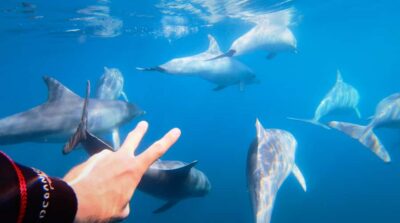
When the sighting works, it can be remarkable. Dolphins may swim alongside the kayaks, pass underneath, or appear in a large group beside the boats. Some outings also produce close views of turtles. From a low kayak, you sit near the waterline, which gives you a more direct view than you would get from land.
The clearest advice is to enjoy the search as part of the trip, not as dead time before the real event. The coast, marine park, and open water are the setting. Even an outing without dolphins can include an enjoyable paddle and a different view of Byron Bay.
Still, it is fair to say that a no-dolphin trip can feel disappointing if wildlife is your only reason for booking. The free return policy helps only if you are staying long enough, or plan to come back to Byron Bay. It has no stated expiry, but it is not transferable and cannot be exchanged for money.
Whales from May through November
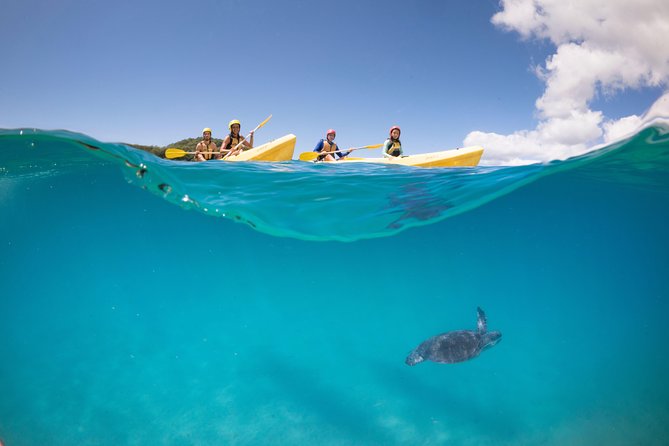
During the humpback migration season, from May to November, keep watch for whales. Turtles and whales are possible sightings, not guaranteed additions to every tour.
The best outings can produce the full set: dolphins, turtles, and whales. Some people have seen whales close to the kayaks, while others have seen only a turtle or distant dolphins. The guides add facts, local stories, and jokes while keeping the group moving and alert.
Whale sightings require extra care and realistic expectations. You are in small kayaks on open water, not aboard a large whale-watching boat. A whale may appear briefly, surface at a distance, or move away before the group gets close. The whale guarantee applies during whale season if the tour does not see whales or dolphins, according to the supplied conditions, but it still gives you another tour rather than a refund.
The beach stop, hot drinks, and Tim-Tams
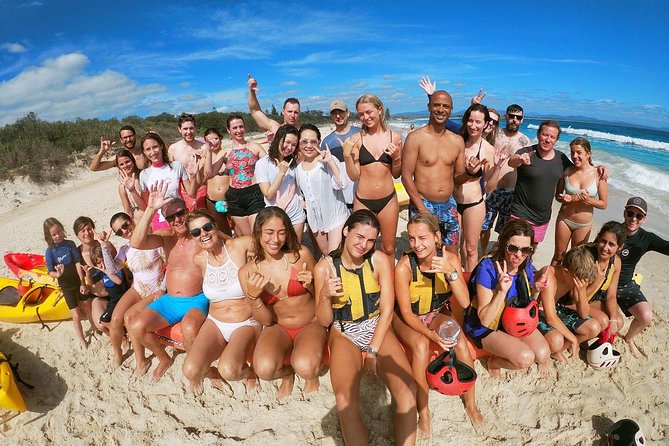
The group disembarks at a local beach during the outing. This break gives your arms a rest and lets you dry off a little before returning to the meeting point.
Morning or afternoon tea includes hot drinks and chocolate biscuits. The included items also list all-you-can-eat Tim-Tams, a welcome Australian touch after paddling in salt water. Food beyond the specified refreshments is not included, so bring water and eat beforehand if you need more than a snack.
This beach stop is a small part of the day, but it improves the overall rhythm. A continuous paddle can feel demanding, particularly in wind. The pause gives you time to talk with the guides, compare wildlife sightings, and regain warmth before the final section.
Guides, group size, and the feel of the outing
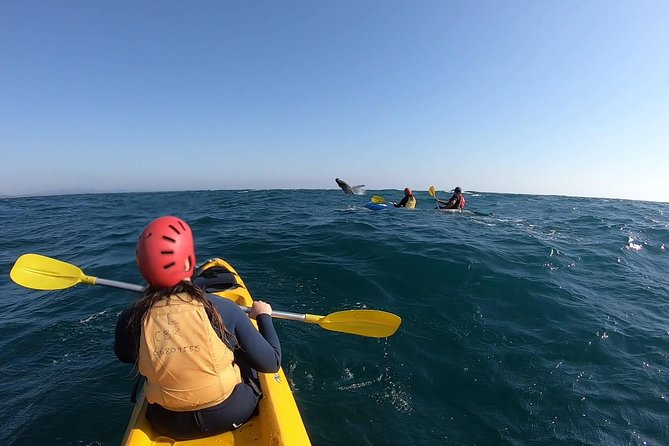
The guides are one of the strongest parts of this experience. They are described as funny, kind, clear, and reassuring, with particular praise for helping nervous children, solo participants, and adults who have never kayaked before.
That personal support matters in a two-person boat. A guide can help correct your stroke, explain how to handle a wave, or pair you with someone more experienced. One child rode with an instructor and managed a memorable outing, while solo visitors have reported feeling comfortable even when they were much older than the rest of the group.
The group limit is 32 people. That is not intimate, but several guides may be present, and the experience is built around keeping everyone together. The larger group also means you should expect less individual attention than on a private lesson.
There is one caution about guide style. Most people enjoy the jokes and relaxed tone, but not everyone appreciates internal teasing or staff jargon. If you prefer a quiet, formal wildlife trip, this may feel too casual. The overall atmosphere is friendly, but it is still an active group outing with varying abilities.
Price and what you get for $63.83
At $63.83 per person, this is good value if you want both a guided sea-kayaking experience and a reasonable chance of seeing wildlife. Your price includes the professional guide, safety equipment, kayak use, marine park or national park fees, wetsuit use on request, and the beach refreshments.
The value improves if you see dolphins, whales, or turtles. But even without wildlife, you are paying for equipment, instruction, safety support, and access to a protected marine area. You are not paying for a guaranteed performance by animals.
The free return option gives the price extra protection, but only in practical terms if you have another day available. Someone on a tight schedule may receive no useful compensation after a wildlife-free outing. Read the guarantee as a second chance, not insurance against disappointment.
The cancellation terms are strict. You can cancel for a full refund up to 24 hours before departure. Changes or cancellations inside 24 hours are not accepted and are not refundable. If the operator cancels because of poor weather, you can receive another date or a full refund. The tour itself may proceed in rain, so choosing not to go because it is wet does not automatically earn a refund.
Who should book this experience?
I would recommend it to you if you want an active Byron Bay outing, enjoy being outdoors in changing conditions, and like the idea of seeing wildlife without a motorized boat. It suits couples, families with older children, solo visitors, and first-time kayakers who are reasonably fit and comfortable in the sea.
It is also a good choice if you want more than a quick photo stop. The two-and-a-half-hour schedule gives you time to learn the basics, paddle through the marine park, search for animals, and stop at a beach.
I would be cautious if you have weak upper-body stamina, dislike getting wet, or feel anxious in waves. You also need to accept that two people share one kayak and may not have equal strength or experience. Conditions can change, and no previous kayaking experience does not remove the physical demands.
For families, children under five are not recommended, and anyone under 16 needs an adult companion. Adults must be able to swim 25 metres unaided. Those are not minor footnotes. They are the basic safety requirements for an open-ocean trip.
Should you book the Byron Bay dolphin kayak tour?
Book it if the thought of paddling beside a wild dolphin makes you smile and you are ready for a real ocean activity. The guides, stable sit-on-top kayaks, helpful pairing system, and wildlife return promise make this a strong-value choice for many people.
Skip it if you need calm, dry, predictable conditions or a guaranteed wildlife encounter on one specific day. The best way to approach this trip is to value the kayaking first and treat dolphins, whales, and turtles as extraordinary bonuses. That mindset lets you enjoy the water even when nature refuses to follow the schedule.
FAQ
How long does the kayaking tour last?
The tour lasts approximately two hours and 30 minutes.
Where does the tour start and finish?
You meet at Cape Byron Kayaks opposite 62 Lawson Street, Byron Bay, NSW 2481. The activity ends back at the same meeting point.
Are dolphins guaranteed?
Dolphin sightings are covered by a guarantee, but the remedy is a free return tour if no dolphins are seen. You are not entitled to a refund instead.
What happens if I do not see dolphins?
You can take the tour again on another day at no charge. The free return is non-transferable and does not expire according to the supplied conditions.
Can beginners join the tour?
Yes. No previous kayaking experience is required, and the sit-on-top kayaks are designed for stability. You still need moderate fitness, confidence in open water, and the ability to paddle your own kayak in moderate conditions.
Do I need to know how to swim?
Everyone aged 18 or older must be able to swim 25 metres unaided. The tour is conducted in the open ocean, so you must also feel confident in open water.
Are whales and turtles included?
Whales and turtles may be seen during the tour. Humpback whales are most likely from May through November, but neither whales nor turtles are guaranteed on every departure.
What equipment is provided?
The tour provides a two-person sit-on-top sea kayak, paddle, and safety vest. Wetsuits are available on request.
What should I bring?
Bring sun protection, a waterproof camera, a water bottle, and a towel. Items taken onto the water may get wet or be lost.
Can children join?
Children under five are not recommended. Every child under 16 must be accompanied by an adult. The tour does not provide a refund if a child cannot join because this requirement was not met.
What happens if it rains?
The tour proceeds in rain. If the operator cancels because of poor weather, you will be offered another date or a full refund. Cancelling yourself less than 24 hours before departure because of rain is not refundable.
Just added around Australia
- Private Port Stephens Day Trip from Sydney incl Dolphin Cruise★ 5.0 · 3 reviews
- Port Stephens Private Tour From Sydney, with Dolphin/ Whale Cruise Options★ 5.0 · 8 reviews
- Sydney: Port Stephens Sandboarding, Dunes & Dolphin Cruise option★ 3.5 · 5 reviews
- Rainbow Beach: Dolphin & Wildlife Ocean Kayak & Beach 4WD Tour★ 5.0 · 59 reviews
- Small Group Port Stephens + Dolphins + 4WD/sandboarding ex Sydney★ 4.5 · 18 reviews
- Dolphin & Whale Cruise★ 5.0 · 23 reviews
- 4-Day Monkey Mia Dolphins Pink Lake Pinnacles Comfort-Level Tour★ 5.0 · 25 reviews
- 3 Island Wildlife Snorkel★ 4.5 · 11 reviews
Australia Dolphin Watching Tours, compared.
Moreton Island: Dolphin & Tangalooma Wrecks Snorkel Cruise
Read our review →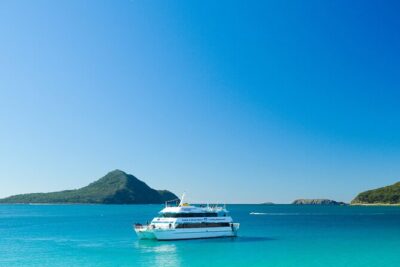

Jervis Bay Day Trip with Dolphins, Roos & Beach Time
Read our review →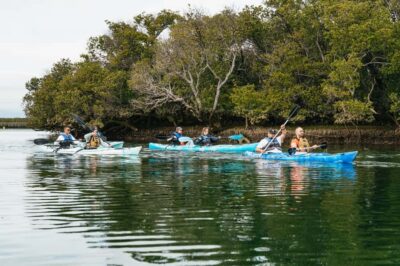
Browse the lists this tour appears in