
Review · LISBON
Lisbon: Dolphin Watching with a Marine Biologist – Ocean Safari
Dolphins make Lisbon feel wonderfully wild. SeaEO Tours takes you from the Tagus River beneath the 25th of April Bridge and out toward the Atlantic in a fast 8.5-meter RIB, with a marine biologist explaining the animals and the coast along the way. I like the small-group format and the chance to see dolphins in open water, not in a show. I also like that the trip includes Belem views, sea birds, and a lively boat ride rather than only a short wildlife stop. The main caution is simple: dolphins are wild animals, and sightings are not guaranteed, even though the operator reports success around 95 percent.
This is not a quiet harbor cruise. You sit astride jockey-style seats, hold on as the RIB meets the waves, and may feel cold once the boat reaches the Atlantic. Bring a jacket, wear practical clothes, and skip a skirt. If you enjoy active outings and real wildlife encounters, this is one of Lisbon’s strongest half-day options.
Key points to know before you book
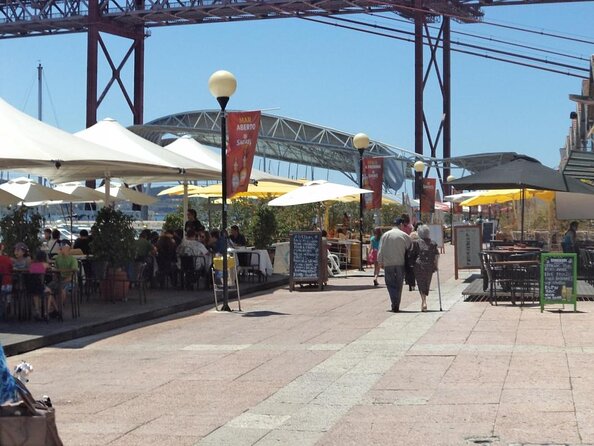
- The boat leaves from Alcântara: Meet at SeaEO Tours, Doca de Santo Amaro Gate, Av. Brasília 3, beneath the 25th of April Bridge.
- The ride is part of the attraction: The 8.5-meter RIB is quick, open to the sea breeze, and more energetic than a large sightseeing boat.
- A marine biologist guides the trip: You learn how dolphins behave, how crews locate them, and what other sea life may appear.
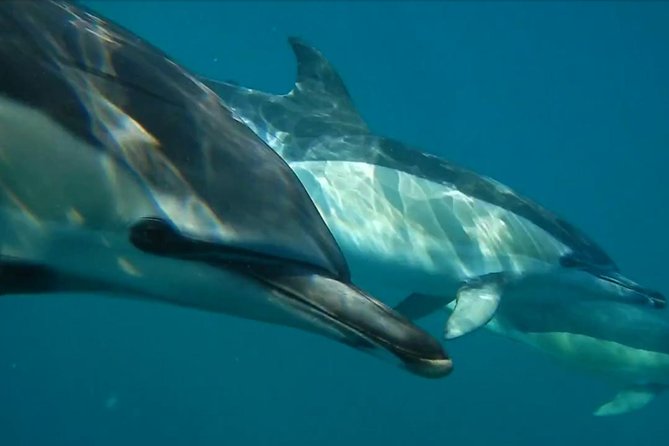
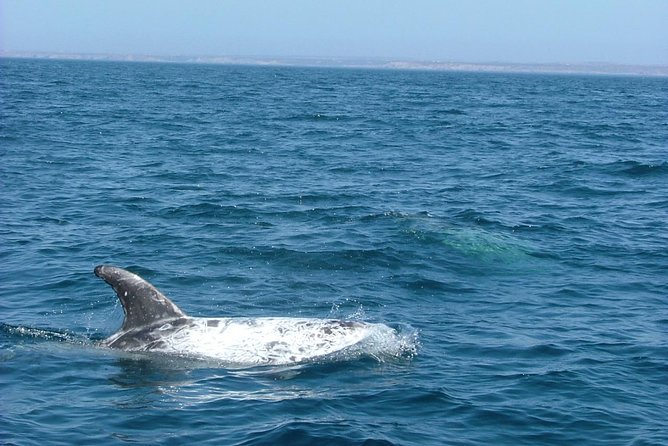
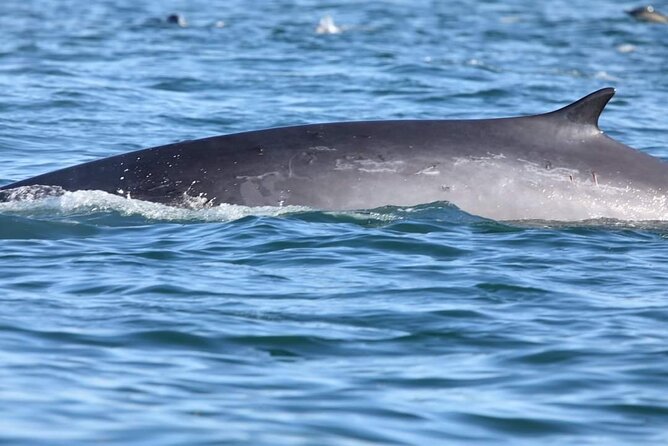
- Sightings can be excellent: Common and bottlenose dolphins have been seen, sometimes with calves, along with sunfish, sea birds, sharks, harbour porpoises, and fin whales.
- Cold and motion matter: Wear warm layers, eat sensibly before departure, and use the provided motion-sickness pill if needed.
- The tour returns to Lisbon: The full outing lasts about three hours and ends at the same dock.
Leaving Lisbon beneath the 25th of April Bridge
The meeting point is Doca de Santo Amaro in Alcântara, a central riverside area with public transport nearby. The exact meeting point is SeaEO Tours at Doca de Santo Amaro Gate, Av. Brasília 3. Arrive early. The operator allows only five minutes of tolerance after departure time, which is not much if you are crossing Lisbon in traffic.
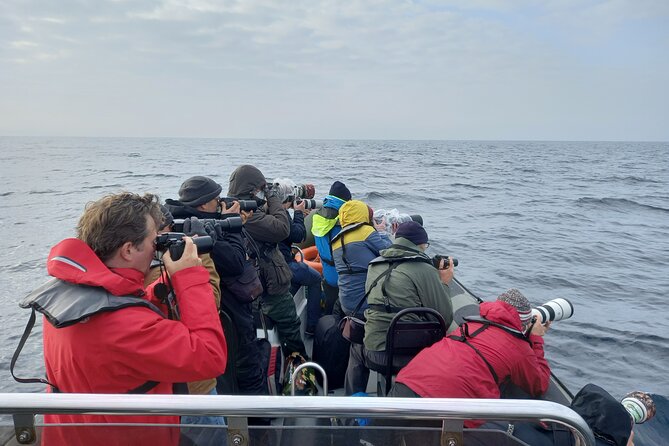
Once aboard, you receive a life jacket and take a seat on one of the RIB’s jockey seats. These are not regular padded benches. You straddle them, which helps you stay steady as the boat moves over waves. You can remain seated for the fast sections, then stand when the crew wants you to enjoy wildlife or views.
The boat carries a maximum of 24 people, though some departures are much smaller. A smaller group makes a real difference here. You are not peering around a tall passenger or waiting for a crowd to shift before you can see a dolphin. The open layout gives every person a fair view, and the crew can speak with you directly.
Your first views include the Tagus waterfront, Belem Tower, and the Monument to the Discoveries. The marine biologist may explain the coastline and help you connect Lisbon’s famous riverfront with the wider Atlantic ecosystem. This part gives the trip a useful sense of place before the wildlife search begins.
More Dolphin Watching with a Marine Biologist in Portugal:
- Portimão: Benagil Caves & Dolphins Watching with Biologist
★ 4.8 · 3,795 reviews - Lagos: Combo Dolphin and Benagil Tour with Marine Biologist
★ 4.7 · 2,352 reviews - Lisbon: Dolphin Watching with Marine Biologist
★ 4.9 · 1,853 reviews
Stop one: the Tagus and Doca de Santo Amaro
The first stage begins in the Tagus Estuary. This is more than a transfer from the dock to the open sea. Dolphins may appear in the river, and several outings have found pods within the first 10 to 15 minutes.
That early possibility is one of the trip’s best features. You might see common dolphins near the city before the boat has even reached the lighthouse. On one outing, a nursing pod with young calves stayed near the RIB for about half an hour. Another group saw dolphins in the river, then encountered a much larger pod later outside the estuary.
You should keep your eyes open from the moment the boat leaves. Wildlife can be spread out, and the first sighting may last only a short time before the animals move on. The crew will help point out activity, but you still need to watch the water rather than focus only on your camera.
The river section also offers a calmer introduction to the boat. If you are nervous about the speed or the jockey seats, this is a chance to settle in before the RIB reaches rougher water. Even so, the ride can be bumpy. This is best treated as an active excursion, not a smooth cruise.
Stop two: Farol do Bugio and the Atlantic search
The RIB continues toward Farol do Bugio, the lighthouse at the mouth of the Tagus. This is where Lisbon’s urban waterfront gives way to a broader ocean setting. The lighthouse acts as a useful marker, but the real purpose of this stage is to search for pods in their natural habitat.
The crew may cover a wide area, depending on weather and sea conditions. The marine biologist explains how to look for signs of dolphins and how the animals use the water around the boat. You may learn about their movement, curiosity, group behavior, and relationship with the surrounding habitat.
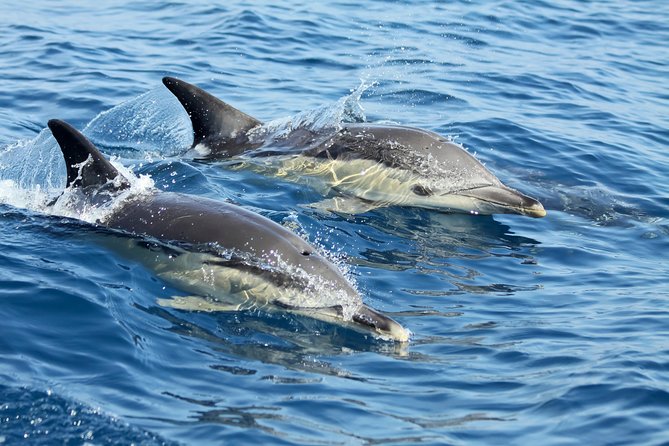
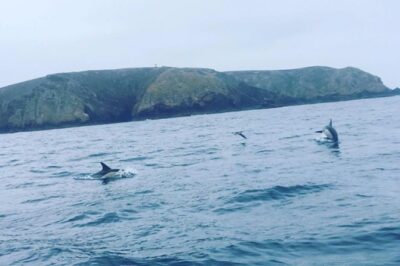
Common dolphins are often the stars of the trip. They may surf the bow wave, swim beside the RIB, or pass underneath it. Bottlenose dolphins are larger and can look very different from the smaller, more active common dolphins. Some outings have seen several pods and more than one species.
The best moments are not always dramatic leaps. A mother and calf traveling together, a pod pacing the boat, or dolphins appearing under the hull can be just as memorable. You may also see sea birds feeding around schools of fish. In particularly fortunate conditions, sightings have included sunfish, a shark, harbour porpoises, and fin whales.
There is a tradeoff. The Atlantic can be rough, and a choppy sea may limit how far the boat goes or how long it can remain outside. One outing had to turn back from the open sea because conditions were too rough, yet the river dolphin sightings and the RIB ride still made the trip worthwhile. Good weather helps, but it cannot control the animals.
The operator reports a sighting success rate of around 95 percent, but that is not a promise. The remaining chance of seeing no dolphins is real. You should book this because you value the sea experience and the chance to see wildlife, not because you need a guaranteed photograph.
Stop three: Lisbon’s waterfront on the return
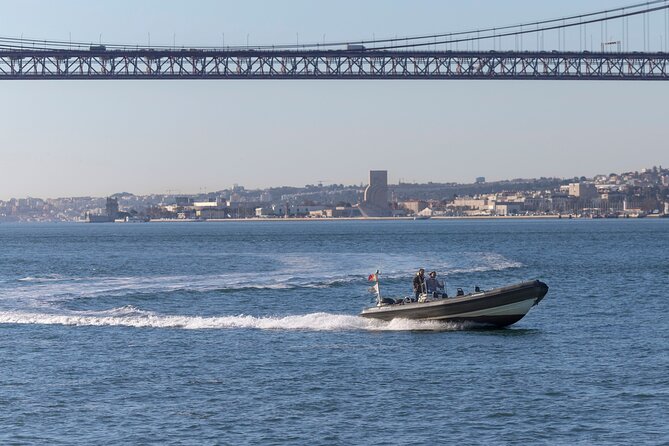
The return to Lisbon brings the focus back to the city. Belem Tower and the Monument to the Discoveries look different from the water than they do from the pavement. You may receive more commentary about the area, and the city’s riverside monuments provide a pleasant close to the wildlife search.
This final section helps balance the outing. If dolphin activity is quiet, you still get a coastal ride, city views, and information about Lisbon’s riverfront. If the sea has been generous, the return offers time to absorb what you have seen without rushing straight from the animals to the dock.
The activity ends where it starts at Doca de Santo Amaro. Plan for about three hours from departure to return, though wildlife conditions can affect the exact rhythm. The operator may spend extra time searching when conditions permit, but you should not build a tight connection or timed reservation immediately afterward.
More Safaris in Portugal:
- Dolphin Safari and Cave Tour in Vilamoura
★ 4.1 · 342 reviews - Sealife Sea Safari, Dolphin Watching with Marine Biologist’s Lagos
★ 5.0 · 313 reviews - Safari & Boat Tour – Mountains & Dolphins
★ 4.5 · 85 reviews - Nazaré: Dolphin Safari
★ 4.7 · 48 reviews
What the marine biologist adds
A fast boat can be fun on its own, but the guide gives the outing more purpose. You learn what to watch for and why the crew chooses one area over another. Instead of simply pointing at an animal, the guide can place the sighting in context.
Guides connected with the operation include Sid, Sarah, and Bart. The strongest praise focuses on their friendly manner, clear explanations, and care with children and mixed-age groups. The crew also watches the sea conditions closely. When weather looks rough, they may suggest an earlier departure if one is available, putting safety ahead of a rigid schedule.
The commentary can cover dolphin behavior, the local habitat, and Lisbon sights such as Belem Tower. You may also hear about sea birds and other animals encountered during the search. The approach is practical rather than academic, which suits a moving boat where you need to keep one eye on the water.
A marine biologist cannot summon dolphins. That is worth remembering. The guide’s value is in reading conditions, explaining what you see, and helping you understand the animals without treating them like performers.
The RIB ride, cold wind, and motion sickness
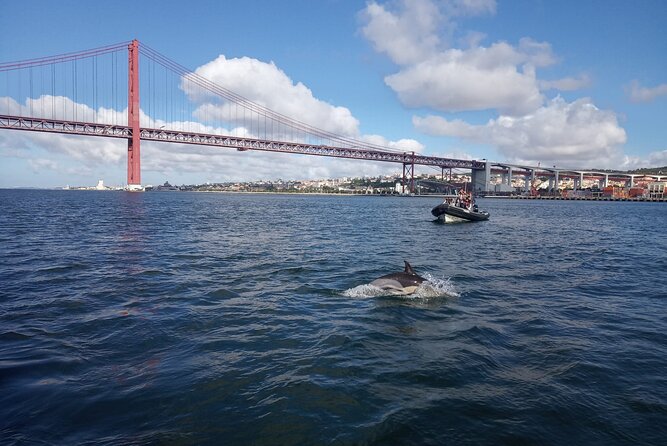
SeaEO uses an 8.5-meter RIB because large boats can make some people feel more seasick. The smaller craft puts you close to the water and gives you a lively ride, but it also exposes you to wind, spray, and wave movement.
Bring a warm sweater or jacket even on a sunny Lisbon day. Several outings have felt colder than expected once the boat reached the open water. The crew may have spare jackets, but you should not rely on them as your main plan.
The operator suggests avoiding a breakfast based on milk or yogurt if you are prone to motion sickness. Eat properly, and consider bread and an apple before departure. Motion-sickness pills are available if necessary, but ask the crew rather than taking anything casually.
Wear comfortable clothes and closed, practical shoes. The jockey seats make skirts a poor choice, and loose clothing may be awkward in the wind. Your camera is welcome, but protect it carefully. Wildlife moves quickly, so you may get better memories by watching first and photographing second.
You can stand in the boat when the crew allows it, especially to watch wildlife. Follow instructions closely. The RIB is designed for excitement, but safety depends on staying balanced and listening to the crew.
Is $62.88 a fair price?
At $62.88 per person, this is not the cheapest way to see Lisbon from the water. It is also not simply a transport ride. The price includes the boat seat, life jacket, public liability insurance, all fees and taxes, crew, and a marine biologist guide.
The value depends on what you want from your morning or afternoon. If you only want a gentle river cruise, a standard sightseeing boat may suit you better. If you want a chance to see wild dolphins, a fast open-water ride, and science-based commentary in one outing, the price is reasonable.
You also get a small-group setup rather than a huge boat with limited access to the guide. Every seat has a view, and the activity combines Lisbon’s waterfront with a genuine wildlife search. That combination gives it more substance than a short photo stop.
The cost is harder to justify if you dislike bumpy rides, cold wind, or uncertain results. No operator can guarantee a dolphin encounter, and the sea may force a shorter route. Book with realistic expectations and the value becomes clearer.
Who should book this experience?
I would choose this trip for families with older children, couples seeking an active outing, and anyone who likes wildlife more than polished sightseeing. Children who can follow safety instructions may have a wonderful time, especially when dolphins travel beside the boat or calves appear in a pod.
The activity is not suitable for babies under five. Most people can participate, but anyone with one of the operator’s listed disqualifying conditions may be refused access without a refund. Check your own comfort with speed, open water, and the jockey seating before you pay.
It is also a good choice for repeat visitors who have already seen Lisbon’s main monuments. You get familiar sights from a new angle, then leave the city behind for a real Atlantic setting.
I would avoid it if you need a guaranteed animal sighting, cannot tolerate motion, or want a quiet boat trip. The RIB ride is a major part of the experience, not an inconvenience between two sightseeing stops.
Booking, weather, and cancellation details
Confirmation is sent at booking, and the activity is offered in English. Service animals are allowed, and the meeting point is near public transportation.
Free cancellation is available up to 24 hours before the start time for a full refund. Changes or cancellations inside that 24-hour window are not accepted for a refund. The tour needs good weather and a minimum number of participants. If the operator cancels for either reason, you can receive a different date or a full refund.
Because the departure window is strict, I would arrive well before the five-minute cutoff. Bring your booking details, warm layers, suitable shoes, and a sensible breakfast. Those small choices can make the difference between enjoying the ride and spending the whole time cold or uncomfortable.
Should you book the Lisbon dolphin tour?
Book it if you want an active sea outing with real wildlife potential. The strongest reasons are the marine biologist’s commentary, the close-to-the-water RIB, the small-group feel, and the chance to see common and bottlenose dolphins near Lisbon.
Do not book it as a guaranteed dolphin photograph. Choose it because you will enjoy the Tagus, the Atlantic air, Belem views, and the search itself. With that mindset, even a quiet wildlife day can still give you a memorable boat ride and a fresh look at Lisbon.
FAQ
Where does the dolphin tour leave from?
It leaves from SeaEO Tours at Doca de Santo Amaro Gate, Av. Brasília 3, 1350-353 Lisboa, in Alcântara beneath the 25th of April Bridge.
How long does the experience last?
The tour lasts approximately three hours and returns to the original meeting point.
Is dolphin watching guaranteed?
No. Dolphins are wild animals, so sightings cannot be guaranteed. The operator reports a sighting success rate of around 95 percent.
What kind of boat is used?
The tour uses a fast, safe RIB measuring 8.5 meters. You sit on comfortable jockey seats and may stand when the crew permits it.
How many people can join?
The maximum group size is 24 people. Some departures may have fewer participants.
What should I wear?
Wear comfortable clothes, a warm jacket or sweater, and practical shoes. Skirts are not recommended because of the jockey-style seating.
Can I get seasick on the boat?
Yes, the RIB can move significantly in open water. The operator recommends eating properly, avoiding a milk or yogurt-based breakfast, and including bread and an apple. Motion-sickness pills are available if needed.
Are young children allowed?
The activity is not suitable for babies under five years old. Most other participants can take part if they can follow the boat’s safety instructions.
What happens if bad weather cancels the tour?
You will be offered another date or a full refund if the activity is canceled because of poor weather or because the minimum number of participants is not reached.
Just added around Portugal
- Terceira Island: Swimming with Wild Dolphins | Natural Habitat★ 5.0 · 17 reviews
- Terceira Island: Whale & Dolphin Watching | Best Wildlife Tour★ 4.0 · 24 reviews
- Observation of Dolphins in Setúbal★ 4.5 · 12 reviews
- Sesimbra Observation of Dolphins with Biologist in Marine Park★ 5.0 · 17 reviews
- Become a dolphin protector! Lisbon Eco-dolphin watching★ 5.0 · 6 reviews
- Guided Dolphin Watching in the Arrábida Natural Park★ 5.0 · 4 reviews
- Dolphin Watching in Sesimbra★ 5.0 · 40 reviews
- Dolphin watching in Setúbal★ 5.0 · 146 reviews
Lisbon Dolphin Watching Tours, compared.
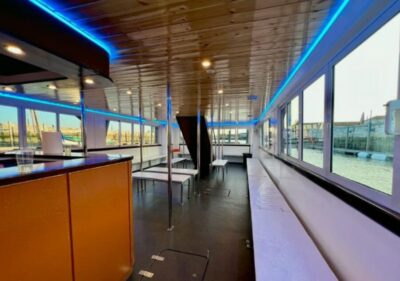
Tagus River Cruise to the Ocean & Dolphin Watching
Read our review →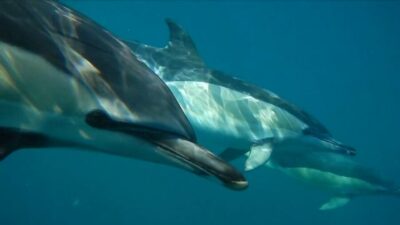
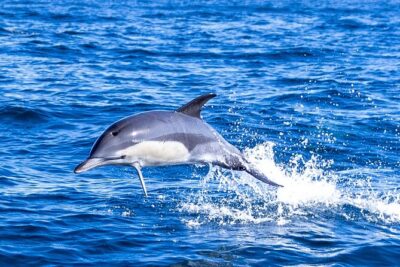
Dolphin Watching with Marine Biologist – Small Group
Read our review →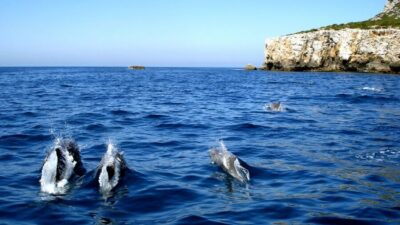
Arrábida Natural Park Dolphin Watching Boat Tour
Read our review →Dolphin Watching with Marine Biologist – Small Group
Read our review →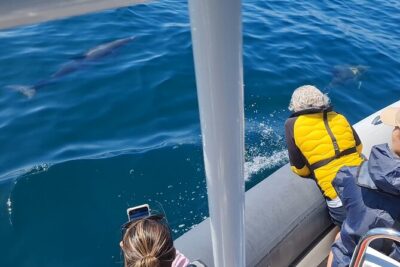
Meet the Lisbon Dolphins – Dolphin Watching in Lisbon
Read our review →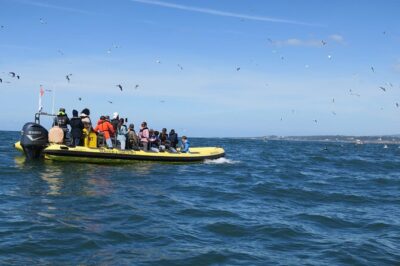
Browse the lists this tour appears in