
Review · NEW ZEALAND
From Tauranga: Dolphin and Wildlife Cruise
Wildlife can turn up anywhere. From Tauranga, this five-hour cruise searches the Bay of Plenty for dolphins, penguins, seals, whales, sharks, orcas, seabirds, and other marine life. I like the spacious custom-built boat with its open sun deck and 360-degree views. I also like the crew’s hands-on commentary, especially guides such as Jamie, Taylor, Emily Dee, James, and Jordan, who have been praised for keeping passengers informed and involved.
The main caution is simple: wild animals set the timetable. You could spend a long stretch scanning open water before a dolphin pod appears. Wind and sea conditions can also change the plan, and several passengers found the boat’s motion uncomfortable. Bring layers, plan for motion sickness, and treat the wildlife as a gift rather than a promise.
Key points at a glance
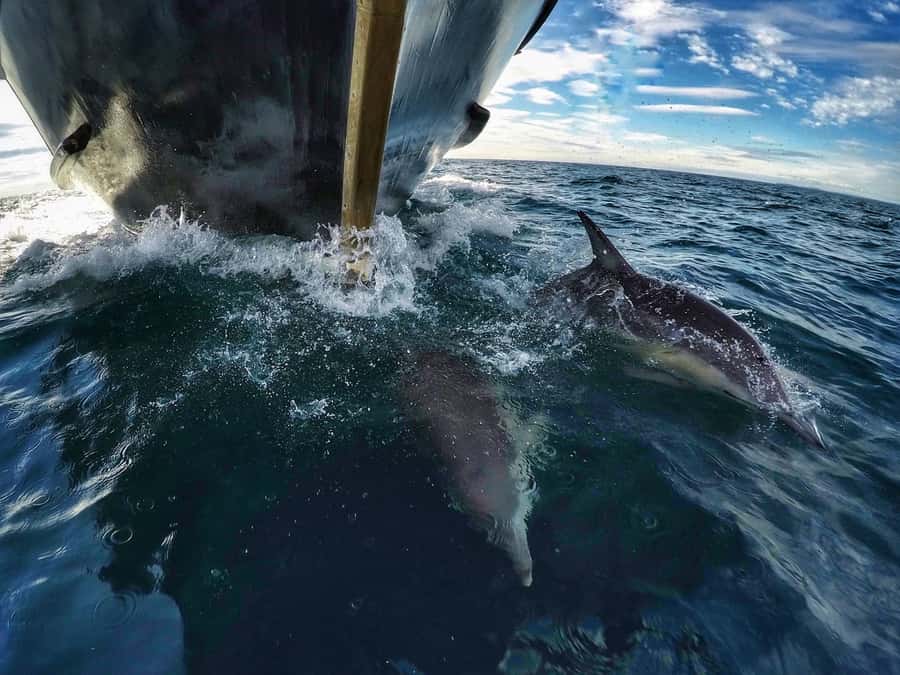
- Dolphins are the main attraction: Pods may swim beside the bow or beneath the boat, sometimes staying with the vessel for an hour.
- The boat suits families: There is a large open sun deck, 360-degree viewing, onboard bathrooms, and room to move around.
- Wildlife sightings vary: Dolphins, penguins, whales, seals, seabirds, sharks, sunfish, orcas, turtles, and schools of fish are all possible.
- The cruise lasts four to five hours: You normally leave at 9 am and return to Tauranga between 1 and 2 pm.
- The crew adds real value: Live commentary, books, resources, and active wildlife spotting make the time on the water more meaningful.
- Pack for an exposed boat ride: Bring water, lunch, sunscreen, sunglasses, a warm jacket, binoculars, and cash or an Eftpos card for the bar.
Leaving Tauranga at 9 am
Your morning begins at The Strand Wharf in Tauranga City, across from Starbucks Cafe. Arrive by 8:30 am for the 9 am departure. Parking is available off Dive Crescent, but you should allow extra time for traffic and finding a space.
The boat leaves from the Port of Tauranga area after a safety briefing. If you are arriving by cruise ship, the meeting point is close to the waterfront, and one passenger found it about a five-minute walk from the end of the pier. Still, check your ship’s arrival arrangements carefully. The cruise can take up to five hours, and the return time is usually between 1 and 2 pm.
The opening stretch gives you time to settle in. You pass the Statue of Tangaroa and move through Tauranga Harbour while the captain explains the area and points out sights along the waterfront. This is not just dead time before the dolphins. It helps you understand how the sheltered harbour connects with the more open waters of the Bay of Plenty.
More Dolphin and Wildlife Eco Tours in New Zealand:
- Akaroa Dolphins ~ Harbour Nature Cruise
★ 5.0 · 2,143 reviews - Auckland: Whale and Dolphin Watching Half-Day Eco Cruise
★ 4.5 · 1,072 reviews - Akaroa: Dolphin Nature Cruise
★ 4.9 · 440 reviews
Tauranga Harbour, Mauao, and the bridge
The harbour section offers a calmer start than the open sea. You will have views of the city, working port areas, and the surrounding shoreline. The captain’s commentary covers local sights and marine life, so keep your eyes open even before the boat reaches the main wildlife-search area.
Mauao, the volcanic landmark at Mount Maunganui, is another highlight from the water. Seen from the boat, it gives the cruise a strong sense of place. You are not climbing the mountain on this outing, but you do get a different angle on one of Tauranga’s best-known sights.
The Tauranga Harbour Bridge provides a natural photo stop. It is a useful moment to take pictures of the bridge, water, and changing shoreline before attention turns fully to the sea. Keep your camera ready, but do not spend the whole morning looking through a screen. Wildlife can appear with little warning.
Searching the Bay of Plenty for wildlife
Once the boat reaches the wider Bay of Plenty, the experience becomes less predictable. The crew searches for movement on the water, birds above it, and signs of feeding below the surface. The captain and crew point out what they see so you are not left trying to identify a distant fin or bird alone.
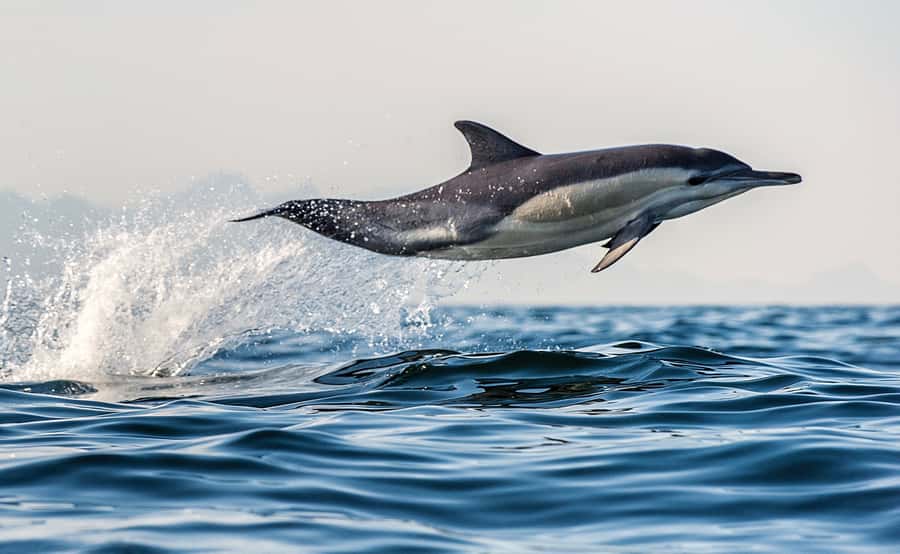
Dolphins are the star of the trip. Common dolphins may swim beneath the boat or ride alongside the bow. Some outings have found two separate pods, while another spent about an hour with dolphins. On a good day, you may see them close enough for excellent photographs, though the boat cannot control how near they come or how long they stay.
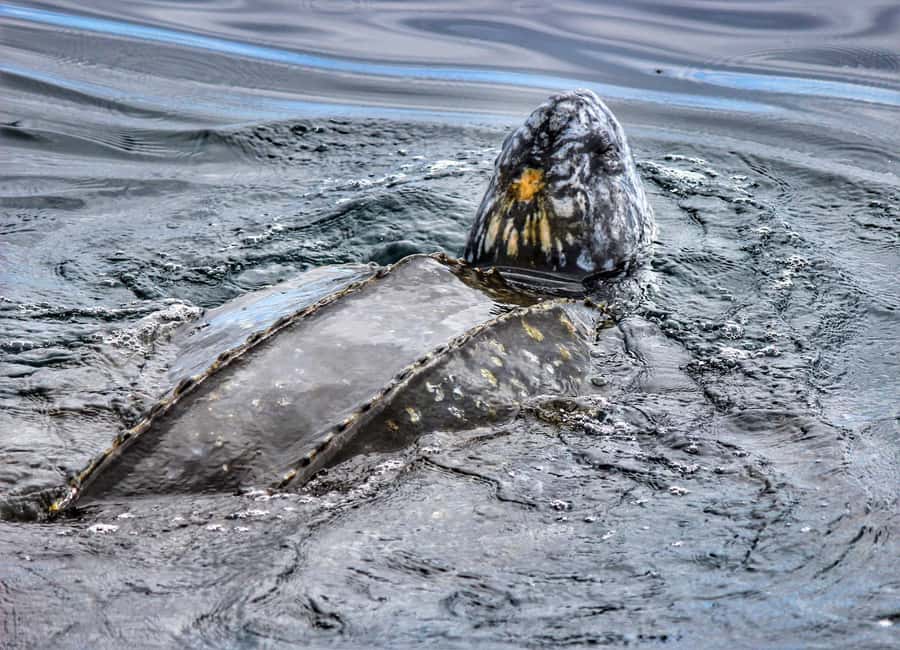
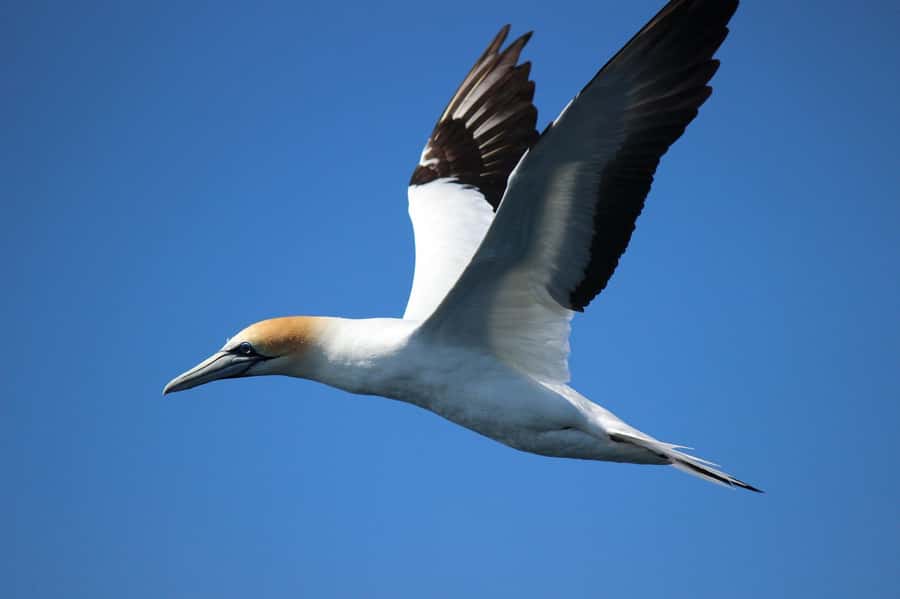
The possible sightings are unusually varied. Depending on the season and conditions, you might find little penguins, seals, whales, sunfish, sharks, orcas, turtles, and schools of fish. Seabirds can add plenty to the trip, including little pied cormorants, white-faced storm petrels, and fluttering shearwaters.
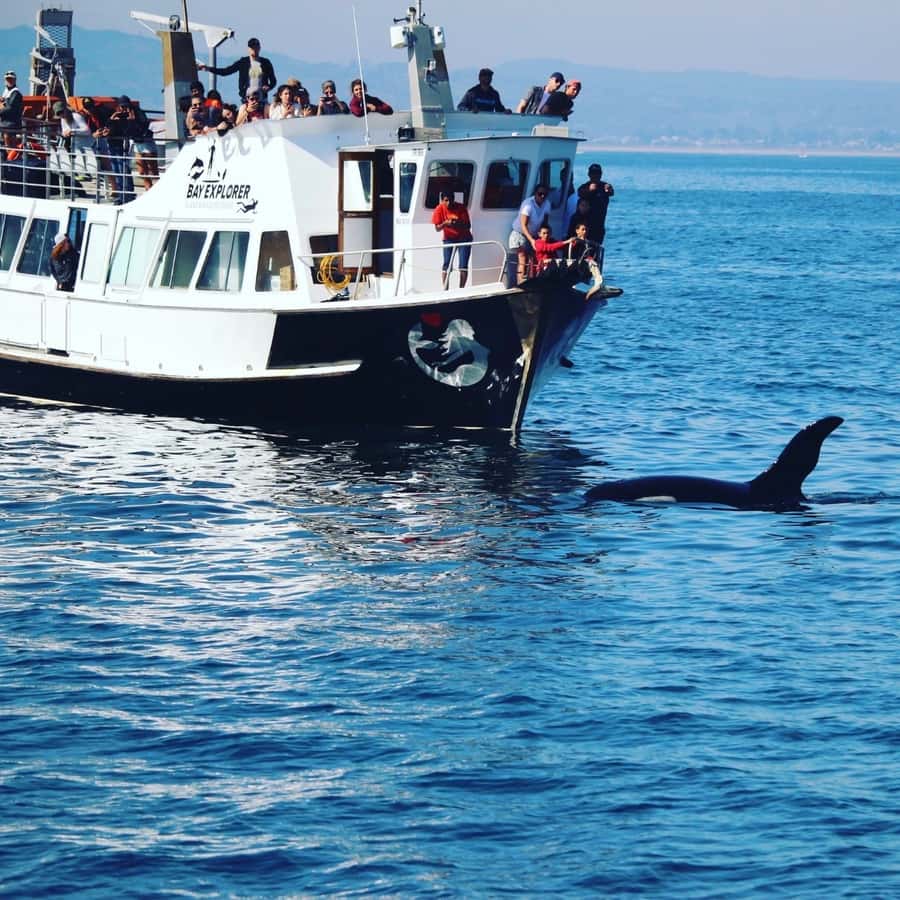
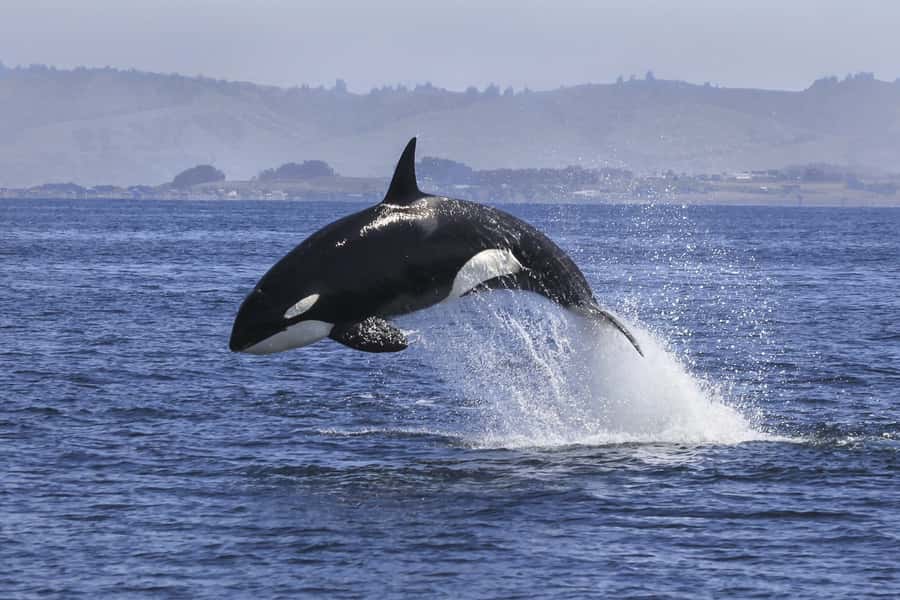
An orca sighting is especially unusual and memorable. One outing had a pod pass under the boat, while other trips produced dolphins, penguins, sharks, or whales. These examples show the range of marine life in the area, but they are not a schedule. You should book this as a wildlife search, not as a guaranteed dolphin show.
What happens at the viewpoint and secret stop
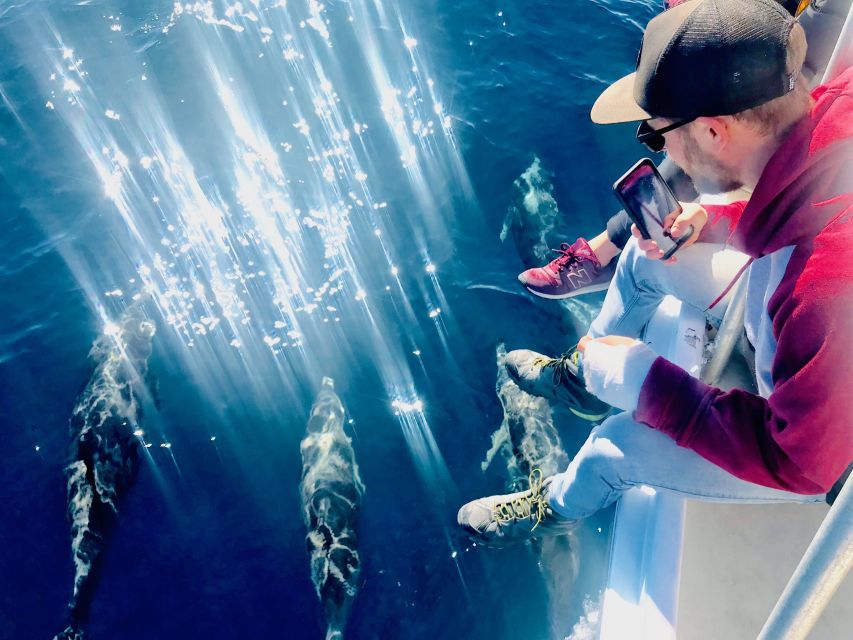
The later part of the route includes a viewpoint and a secret stop in the Bay of Plenty. The exact details naturally depend on where wildlife is found that day. The purpose is to give the crew time and flexibility to follow marine activity rather than rush through fixed attractions.
This flexibility is one of the better features of the trip. If dolphins appear in one area, the crew can spend time watching them. If the sea is quiet, you may continue searching, learn about local marine life, or enjoy the scenery. One outing included discussion of unusual potholes in the water, flying fish, a hammerhead shark, schools of fish, and possible shark-feeding activity.
That flexibility also explains why the return trip can feel long. If the boat spends a rewarding hour with dolphins, the schedule stretches within the four to five-hour window. If wildlife is scarce, the same amount of time can feel more demanding. I would bring a book for the quieter stretches, but keep it in your bag when the crew spots movement.
More Dolphin Watching Cruises in New Zealand:
- Auckland Dolphin and Whale Watching Eco-Safari Cruise
★ 4.5 · 1,790 reviews - Paihia/Russell: Hole in the Rock, Dolphins & Island Cruise
★ 4.6 · 821 reviews - Auckland: Tikapa Moana Whales, Dolphins and Islands Cruise
★ 3.9 · 292 reviews - Akaroa Harbour 2-Hour Dolphin Nature Cruise
★ 4.7 · 235 reviews
The boat, seating, and onboard comfort
The custom-built vessel is designed for sightseeing, with a large open sun deck and 360-degree views. That is important on a wildlife cruise. You do not want to be trapped behind a wall or stuck with one narrow viewing angle when dolphins surface on the other side.
Passenger numbers are limited, which helps with space and gives the crew a better chance to keep everyone involved. The vessel is also described as suitable for families. On a busy wildlife sighting, you may still need to move politely and share the best viewing spots. The crew has worked to give everyone a turn at a good vantage point.
There are onboard bathrooms, which matter on a half-day trip. You can also buy drinks from the bar, including regional wine, locally brewed beer, and non-alcoholic options. Drinks are not included, so bring cash or an Eftpos card. You should also bring your own lunch and bottled water.
The open deck is excellent for views but exposes you to wind and sun. Even on a pleasant day, pack a warm jacket or several layers. Sunglasses and sunscreen are useful, and binoculars can help with distant seabirds or small surface activity.
How much is $104 worth?
At $104 per person, this is not a cheap harbour ride, but it offers much more than a short sightseeing cruise. You receive four to five hours on the water, a purpose-built sightseeing boat, live commentary, an experienced captain, professional crew, onboard resources, and bathroom facilities.
The value depends heavily on your attitude toward wildlife. If seeing dolphins is the only acceptable result, the price may feel high on a windy or quiet day. One trip could not reach the open sea because of wind, though it still found common dolphins and continued with a pleasant harbour cruise. Another had little wildlife at first but later found a large dolphin pod.
I think the price makes the most sense if you value the whole outing: the harbour views, Mauao, the bridge, marine education, birdwatching, and the possibility of a rare sighting. A pod of orcas, penguins near the boat, or dolphins riding the bow can make the fare feel very fair. But you should not compare it with an aquarium visit, where wildlife is certain and the viewing conditions are controlled.
The Qualmark Silver accreditation adds a useful sign that the operator meets an established New Zealand tourism standard. It does not guarantee calm seas or animal sightings, but it supports confidence in the operation.
Sea conditions and motion sickness
Do not underestimate the sea. The boat can sway even on a nice day, and some passengers have become seasick. If you are prone to motion sickness, prepare before boarding according to your usual medical advice. The operator does not state that medication or bands are supplied, so do not depend on finding them onboard.
A warm layer helps with wind, while a hat and sunglasses protect you on the open deck. Eat sensibly before departure, bring water, and choose a viewing position that lets you look toward the horizon when possible.
Weather can also change the route or force a date change. One outing moved dates twice because of poor conditions. The operator permits free cancellation up to 24 hours before departure, and you can reserve now and pay later, which gives you some flexibility when planning around a changing forecast.
The crew and the educational side
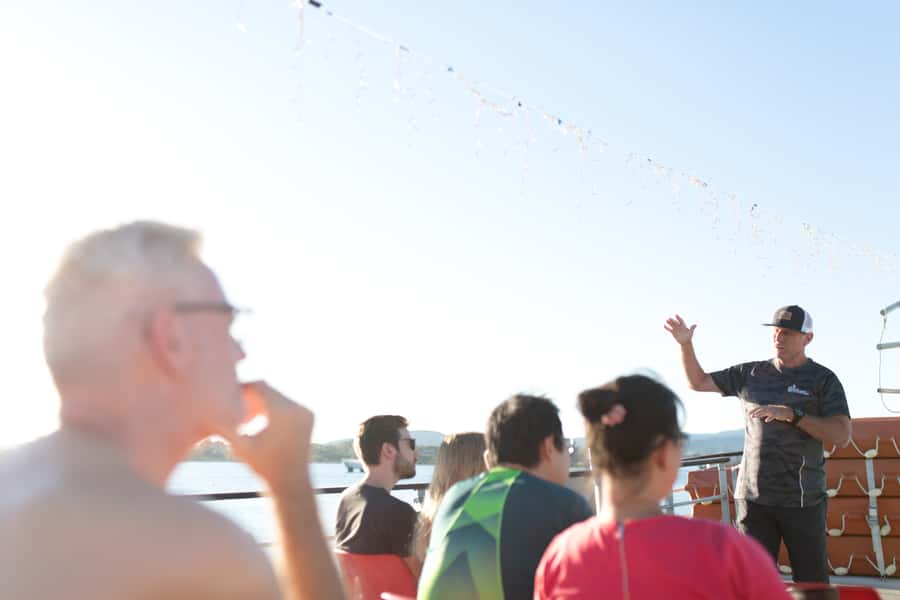
The crew is a major part of the experience. Jamie and Taylor have been praised for being friendly, accommodating, and full of information. Emily Dee and James have also received warm praise, while Jordan was singled out for detailed commentary and easy conversation.
The useful point is not just that the crew talks. They actively look for wildlife, explain what you are seeing, and help passengers avoid missing a quick appearance. On a boat with several groups watching at once, that guidance can make the difference between seeing a dolphin clearly and hearing that one surfaced somewhere behind you.
Onboard books and resources add context during quiet periods. You can learn about birds, marine species, and the Bay of Plenty instead of simply waiting for a fin. The crew’s humor and willingness to involve passengers, including allowing people to drive the boat on one outing, have also helped create a relaxed atmosphere. That particular activity should not be treated as a guaranteed part of every departure, but it shows the friendly tone the crew aims for.
Photography tips for this cruise
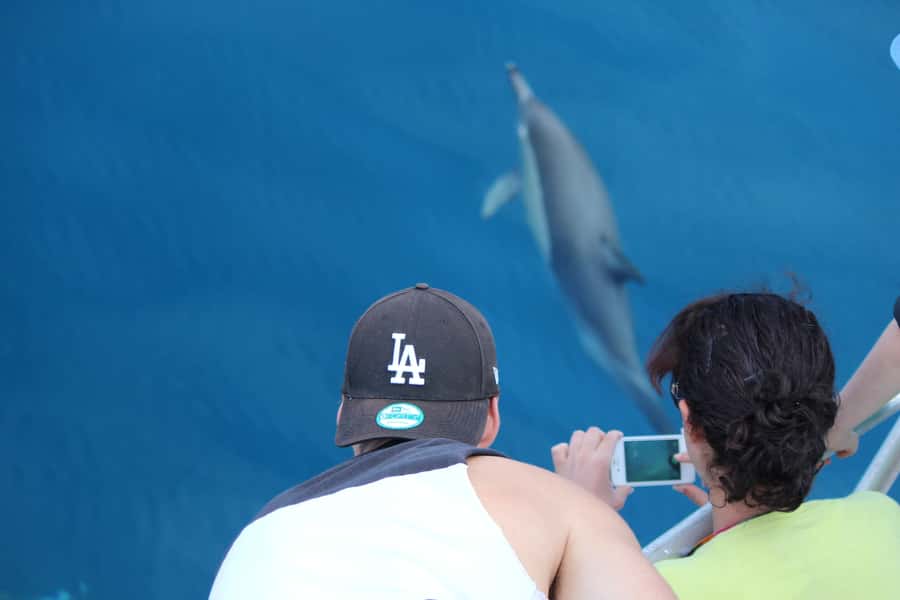
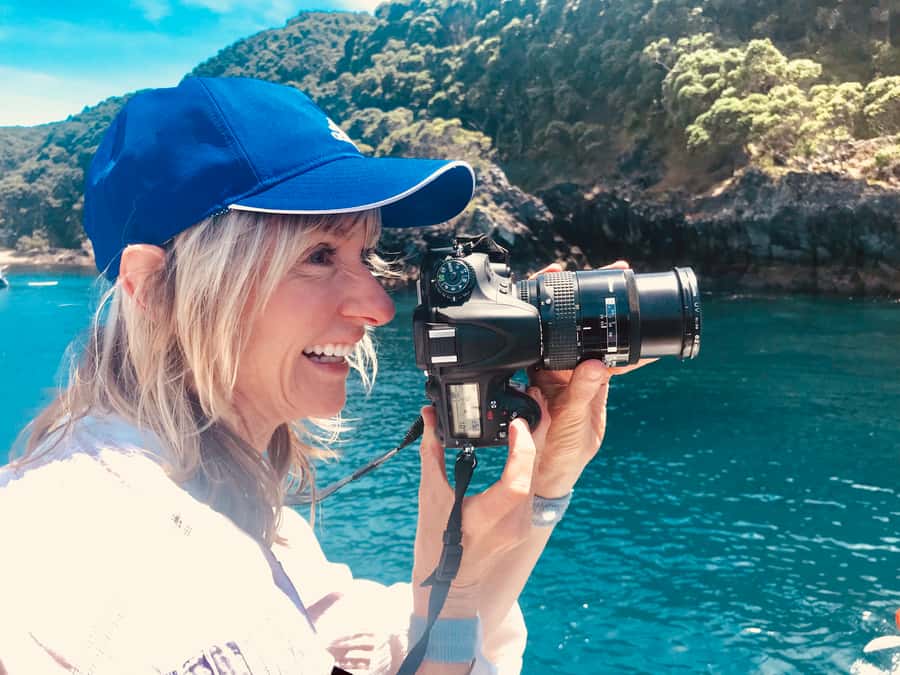
The open deck and 360-degree views give you strong photo opportunities, but wildlife photography takes patience. Keep your camera ready rather than packed away, and use a wrist strap or secure grip around the water.
A fast shutter speed helps with dolphins and birds, but the most important tool is attention. Watch where the crew points, then look slightly wider than the first splash. Dolphins often move in groups, and a second animal may surface beside the one everyone is watching.
Bring a camera, but do not let photography spoil the moment. The best sightings can last only seconds. Take a few pictures, then watch with your own eyes. On calm days, the boat may get close enough for very good images, but no crew can promise a perfect angle or clear water.
Who will enjoy this most?
I would recommend this cruise to families, couples, photographers, birdwatchers, and anyone who enjoys being outdoors without needing a packed shore itinerary. The spacious vessel, bathrooms, commentary, and limited passenger numbers make it more comfortable than a bare-bones wildlife boat.
It is also a good choice for cruise ship passengers with enough time before the ship’s departure. Confirm the schedule carefully, because the cruise normally returns between 1 and 2 pm and can vary with weather, daylight savings, sea conditions, and time spent with wildlife.
You may want a different activity if you dislike open water, get severe motion sickness, or need a guaranteed attraction. This is also not ideal if you have only a short window in Tauranga. The trip needs patience, and the sea does not follow a timetable.
Practical details before you book
The cruise departs at 9 am from The Strand Wharf in Tauranga City. Arrive by 8:30 am, and allow time for parking off Dive Crescent.
Bring:
- Bottled water and your own lunch
- A warm jacket or layered clothing
- Sunscreen and sunglasses
- A camera and binoculars
- Cash or an Eftpos card for drinks and snacks
The live tour is in English. The cruise normally lasts four to five hours, although weather, sea conditions, daylight, wildlife activity, and passenger schedules can affect the timing. Free cancellation is available up to 24 hours before departure, and reserve-now, pay-later booking is offered.
Should you book the Tauranga wildlife cruise?
Book it if you want a proper half-day on the Bay of Plenty and can accept uncertainty. The strongest reasons are the wide-open viewing areas, thoughtful commentary, friendly crew, and real chance of seeing dolphins, penguins, seabirds, whales, or even orcas. The best outings sound exceptional, with dolphins staying alongside for a long time and the crew making sure everyone gets a fair view.
Skip it if you need a short, tightly timed activity or guaranteed wildlife. The boat can sway, the search can take patience, and a windy day may limit the route. For the right kind of day, though, $104 buys more than a dolphin sighting. It gives you a thoughtful look at Tauranga from the water, with the chance of a truly memorable encounter.
FAQ
Where does the Tauranga dolphin cruise depart from?
It departs from The Strand Wharf in Tauranga City, across the road from Starbucks Cafe.
What time should I arrive?
You should arrive at 8:30 am for the 9 am departure. Allow extra time for traffic and parking, which is available off Dive Crescent.
How long does the cruise last?
The cruise normally takes between four and five hours. Return time is usually between 1 and 2 pm, but conditions and wildlife activity can affect the schedule.
What animals might I see?
Possible sightings include dolphins, seasonal seabirds, penguins, seals, whales, sunfish, schools of fish, sharks, orcas, and turtles. Wildlife sightings are not guaranteed.
Are food and drinks included?
No. You should bring your own lunch and bottled water. Drinks and snacks can be purchased from the onboard bar with cash or an Eftpos card.
What should I bring?
Bring warm layers, sunscreen, sunglasses, a camera, binoculars, bottled water, lunch, and cash or an Eftpos card. You should also prepare for possible motion sickness because the boat can move in rougher conditions.
Just added around New Zealand
- Dolphin & Wildlife Encounters★ 5.0 · 6 reviews
- Half Day Dolphin & Wildlife Cruise – Tauranga★ 4.5 · 103 reviews
- Swim With Wild Dolphins in Tauranga★ 4.5 · 189 reviews
- Captain Cook and Dolphin Cruise★ 4.5 · 26 reviews
- Motuara Wildlife Sanctuary Tour and Dolphin Cruise from Picton★ 4.5 · 180 reviews
- Bird Watching and Dolphin Eco-Tour to Blumine Island★ 5.0 · 55 reviews
- The Original Full day Bay of Islands Cruise with Dolphins★ 5.0 · 13 reviews
- Hole in the Rock Scenic Cruise including Dolphins and Island stop★ 4.5 · 225 reviews
New Zealand Dolphin Watching Tours, compared.
Auckland Dolphin and Whale Watching Eco-Safari Cruise
Read our review →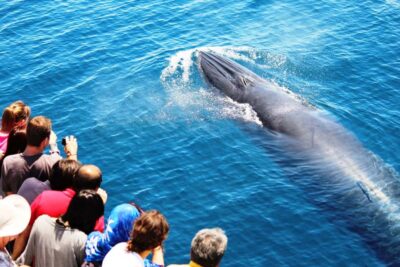
Auckland: Whale and Dolphin Watching Half-Day Eco Cruise
Read our review →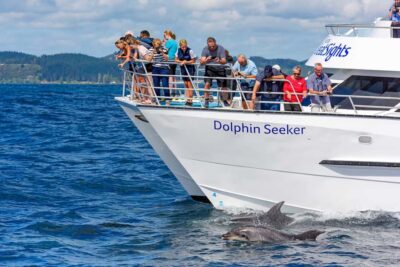
Paihia/Russell: Hole in the Rock, Dolphins & Island Cruise
Read our review →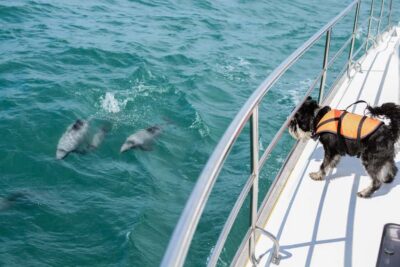
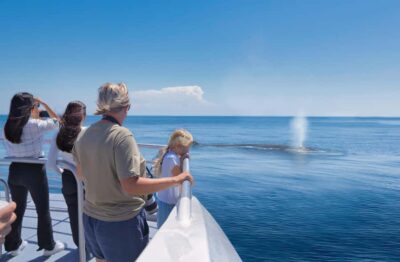
Auckland: Tikapa Moana Whales, Dolphins and Islands Cruise
Read our review →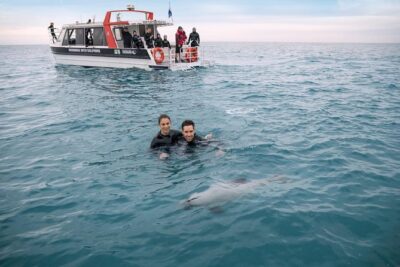
Browse the lists this tour appears in