Review · LANZAROTE
Lanzarote: Whale and Dolphin Watching Eco-Friendly Catamaran
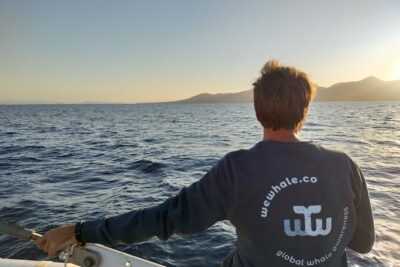
Quiet water changes everything. This fully electric catamaran moves without engine fumes or the usual diesel rumble, giving you a calmer way to search for whales and dolphins off Lanzarote. I especially like the silent ride and the crew’s clear care around wildlife.
I also like the small-group feel, the onboard hydrophone, and the simple local snacks and drinks. The main catch is simple: wild animals set the schedule, so you may see dolphins, whales, or a turtle, but sightings are never guaranteed. Winter weather can also bring cloud and cooler conditions.
Key points at a glance
- Canary Islands first fully electric catamaran: The boat offers an emission-free ride with no unpleasant diesel smell.
- Wildlife comes first: The crew keeps a respectful distance instead of chasing or crowding dolphins.
- Underwater listening: An onboard hydrophone lets you hear whale and dolphin sounds below the surface.
- Four hours on the Atlantic: You have enough time for a serious wildlife search rather than a quick coastal spin.
- Useful onboard comforts: Fresh fruit, sweet snacks, and soft drinks are included.
- Easy Puerto Calero departure: The boat leaves from Pontoon F22, with parking and bus or taxi access nearby.
Setting out from Puerto Calero
Your meeting point is Marina Puerto Calero, at Pontoon F22. This is an important detail because the marina has several docks, and you will want to allow enough time to find the correct pontoon rather than arriving at the last minute.
You can reach the marina by bus or taxi, and parking is available. The departure point makes sense for this sort of trip: you begin beside Lanzarote’s coast, then move out into the Atlantic in search of marine life.
The outing lasts four hours. That longer time matters. Whale and dolphin watching is not a short sightseeing circuit with a guaranteed show at a fixed location. The crew needs time to look, listen, and respond to signs of wildlife. You may spend stretches simply scanning the water, which is part of the experience rather than a flaw.
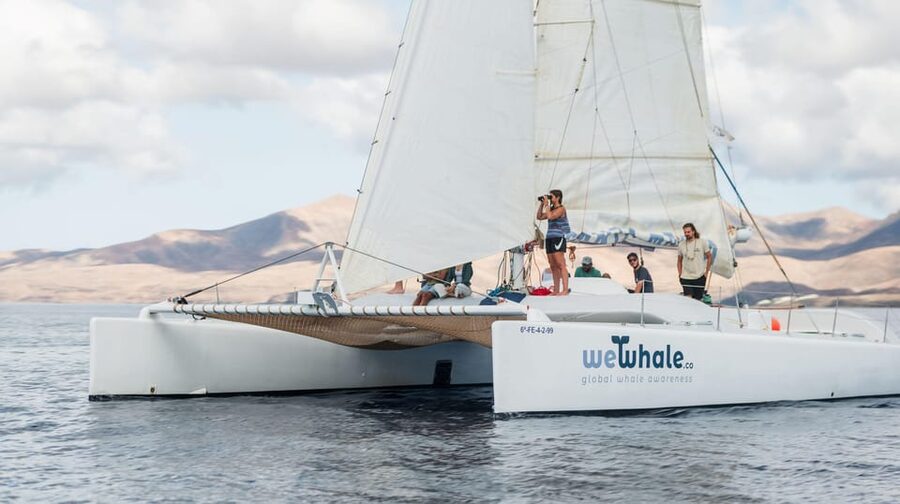
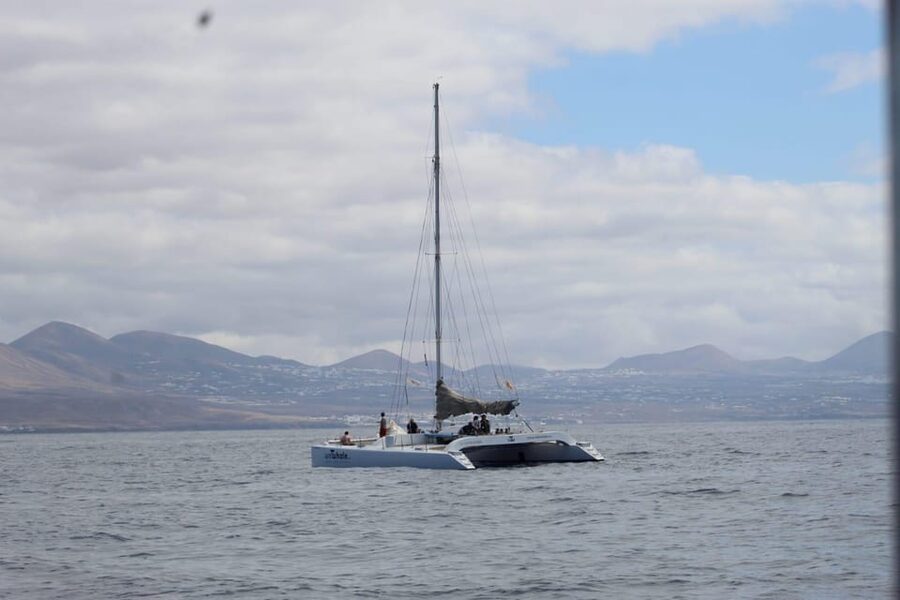
The catamaran itself is the main attraction before any animals appear. It is the Canary Islands’ first fully electric, emission-free catamaran. The electric motor produces a much quieter ride than a standard diesel boat, and that changes the mood on board. You can hear the sea more clearly, and there is no diesel smell hanging around the viewing area.
More Catamaran Dolphin Cruises in Spain
- Small Group Dolphin Sunset Tour on Electric Catamaran Lanzarote
★ 4.5 · 106 reviews - Whale & Dolphin Observation on Silent Catamaran with Hydrophone
★ 4.5 · 66 reviews - Gran Canaria: Catamaran Dolphin Watch Cruise with Snorkeling
★ 4.4 · 4,761 reviews
Why the electric boat matters
The green message here is not just a slogan printed on a brochure. A quieter boat can make wildlife watching less intrusive, especially when the crew is trying to observe animals without pressing too close.
Several parts of the experience work together. The boat produces no direct emissions during the voyage, the crew avoids feeding animals, and passengers are told not to litter. Smoking, alcohol, and drugs are not allowed. Those rules may sound basic, but they protect the water and keep the outing focused on the animals.
I also appreciate the practical comfort of an electric catamaran. One passenger particularly valued the lack of nasty diesel fumes, while another praised the remarkable silence during dolphin watching. That silence gives you a better chance to notice small sounds and movements on the water.
The boat is not presented as a sailing trip. The electric motor provides the movement, and sailing is not part of this outing. That is worth knowing if you are picturing a wind-powered cruise. The appeal is quiet electric travel, open views, and a more careful approach to wildlife.
Searching the Atlantic for whales and dolphins
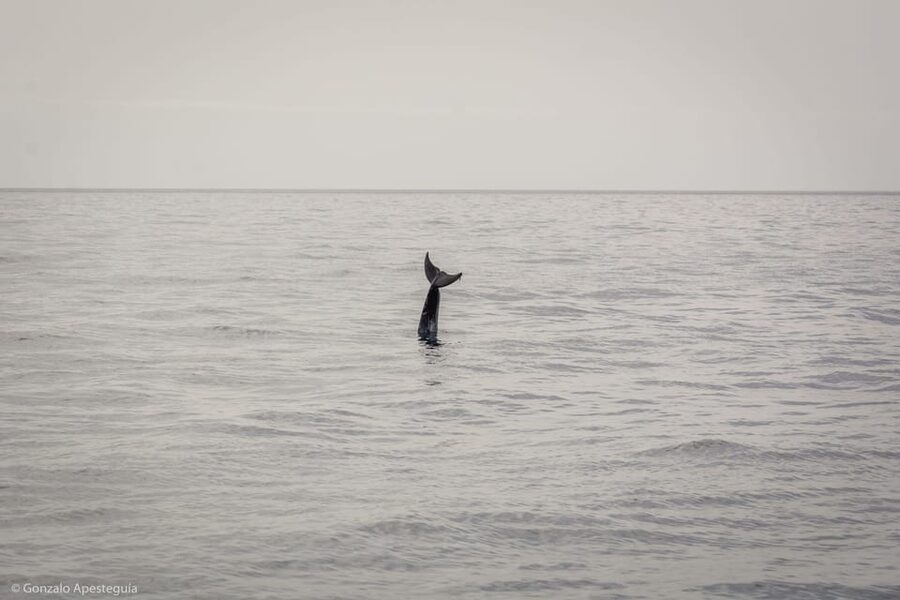
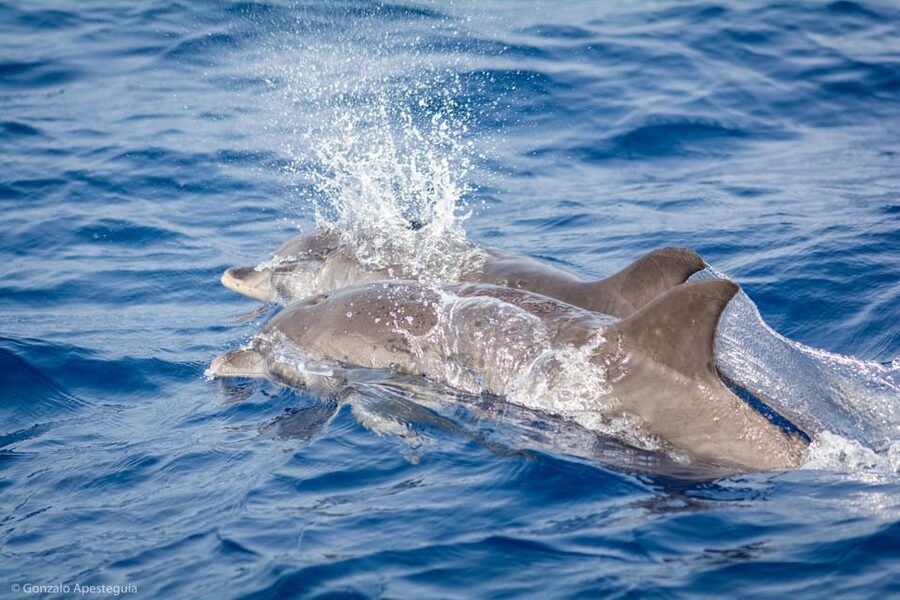
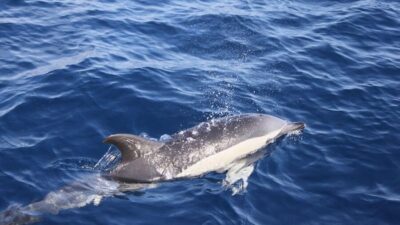
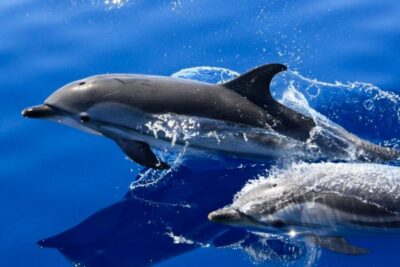
Once you leave the marina, the focus turns to the water around Lanzarote. There is no set animal performance, and the crew cannot promise a particular species. You might see dolphins in a moving pod, whales passing farther out, or a turtle near the surface. You might also spend the four hours without a sighting.
That uncertainty is the honest heart of the trip. I would choose this excursion if you enjoy watching the sea and learning how marine life behaves, not only if you need a guaranteed photograph. One February trip produced several schools of dolphins, whales, and a turtle. Another found no whales or dolphins at all, with cloudy skies and cool weather.
When animals appear, the crew’s conduct matters. The boat is meant to observe rather than pursue. The crew takes care not to crowd dolphins, which allows you to see more natural behavior and keeps the experience respectful. You may watch a pod move across the water, surface near the boat, or change direction without the pressure of a fast chase.
The small-group atmosphere adds to this. It can feel more personal than a large sightseeing boat, with less competition for views and more room for the crew to explain what you are seeing. Group size is not specified as a fixed number, so I would not book assuming an exact passenger limit. Still, the experience has been described as more personal than larger alternatives.
Bring patience. Wildlife watching often rewards the person who keeps scanning after the first exciting sighting. The crew may point out movement, fins, or a distant splash that you would otherwise miss.
Hearing the sea through the hydrophone
The onboard hydrophone is one of the most distinctive parts of this outing. It lets you listen to sounds made by whales and dolphins underwater, adding another layer to the experience.
This is more than a novelty. Marine life can be difficult to see from the surface, especially when the water is choppy or the animals stay below for a time. Listening helps you understand that the ocean is active even when the surface looks empty.
The hydrophone also supports the educational side of the trip. The crew explains the marine environment around Lanzarote and gives context for the animals you encounter. The commentary is available in English, Spanish, and French, so you can choose the language that suits you best.
I like this combination of sight and sound. A typical boat trip can turn into a scramble for a photograph. The hydrophone encourages you to pause and pay attention to communication, movement, and habitat instead.
More Whale and Dolphin Watching Tours in Spain
- Tenerife: Eco-Yacht Whale and Dolphin Watching and Swimming
★ 4.7 · 15,619 reviews - Los Cristianos Respectful No-Chase Whale and Dolphin Safari
★ 4.6 · 12,782 reviews - Costa Adeje: Whale & Dolphin Eco-Cruise with Snacks & Drinks
★ 4.6 · 5,096 reviews - Los Gigantes: Dolphin & Whale Watching Cruise with Swim Stop
★ 4.7 · 4,539 reviews
The crew’s role in a responsible encounter
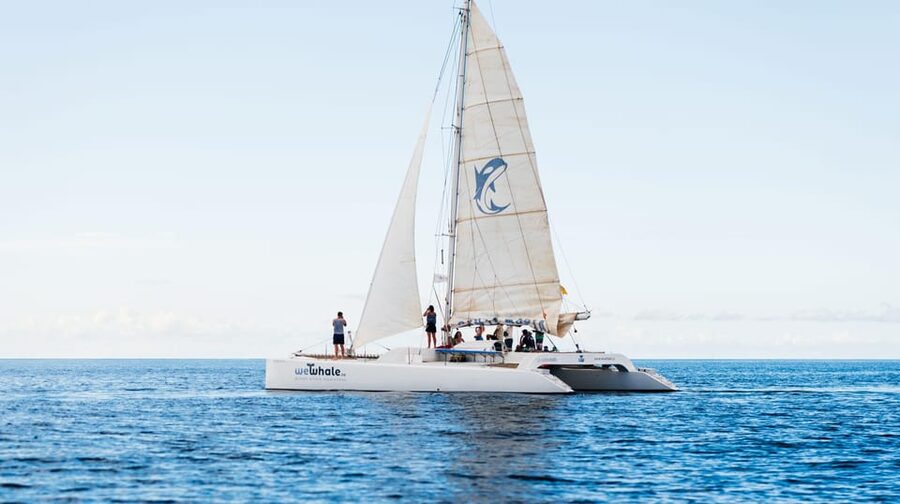
The crew is central to the quality of the experience. A quiet boat alone does not make a responsible wildlife trip. You also need people who understand when to approach, when to wait, and when to leave animals alone.
The strongest praise has focused on the crew being attentive, friendly, and well informed. Their approach is not about forcing an encounter. They explain what is happening and keep the boat from putting unnecessary pressure on the animals.
That makes the tour suitable for families, couples, and anyone who wants more than a quick sightseeing ride. Children may enjoy the excitement of spotting fins and splashes, while adults may value the conservation message and the chance to hear underwater sounds.
You should still set your expectations carefully. The crew can improve your chance of finding marine life, but it cannot control the ocean. A good crew can make a no-sighting day worthwhile by explaining the ecosystem and treating the animals properly. It cannot manufacture a whale at the side of the boat.
Snacks, drinks, and the four-hour rhythm
Snacks, fresh fruit, and soft drinks are included. The food is described as featuring local flavors, with sweet snacks and fruit available during the trip. This is useful on a four-hour outing, especially when you are spending long periods outside and concentrating on the water.
Do not mistake the refreshments for a full meal. The information provided only promises snacks, fruit, and soft drinks, so eat beforehand if you need something substantial. Alcohol is not allowed, which fits the family-friendly and conservation-focused tone of the trip.
The time on board should feel varied. You have the departure from Puerto Calero, the move into open water, the search for animals, commentary from the crew, the hydrophone session, and the return along the coast. Panoramic views of Lanzarote provide something to watch during quieter wildlife periods.
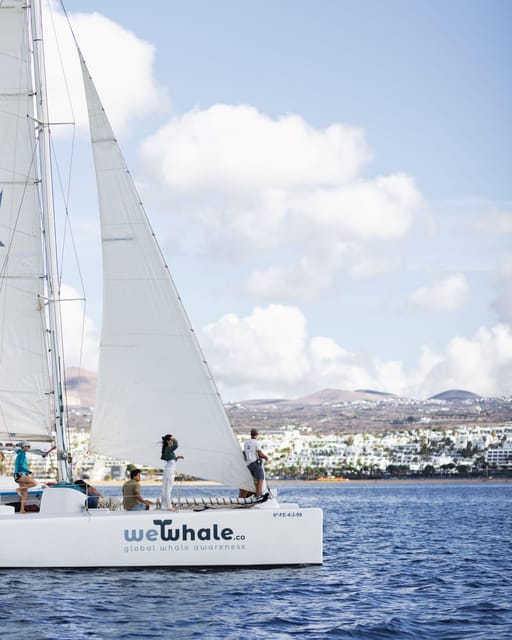
The boat’s closeness to the water is another appealing feature. One passenger described feeling very close to the sea, which gives the trip a more direct quality than a high-sided sightseeing vessel. That can make animal sightings feel special, but it also means you should prepare for sun, wind, and changing temperatures.
Weather, clothing, and comfort
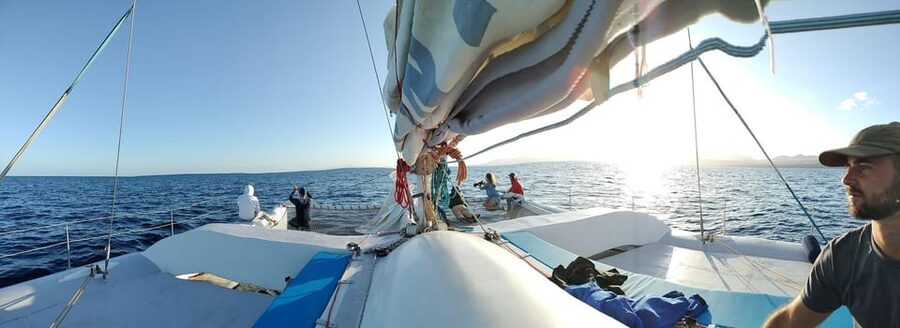
Bring a hat and sunscreen. Even on a cloudy day, exposure on the water can be stronger than you expect. A light layer is sensible too, especially outside the warmer months.
February conditions can be cool and cloudy. One outing in early February had no wildlife sightings and felt fresh because of the weather. That does not mean winter trips are poor. Another February trip produced dolphins, whales, and a turtle. It does mean you should choose your date with realistic expectations.
The tour does not guarantee sunshine, calm water, or warm temperatures. If you have flexibility, the more settled, sunnier part of the year may suit you better. If your main goal is wildlife, though, weather is only one factor. The animals remain wild, and conditions can change during any season.
The boat is not suitable for wheelchair users. If mobility access is important to you, confirm your needs before booking. The available information does not promise wheelchair access or detail assistance at the marina.
Is $112 a fair price?
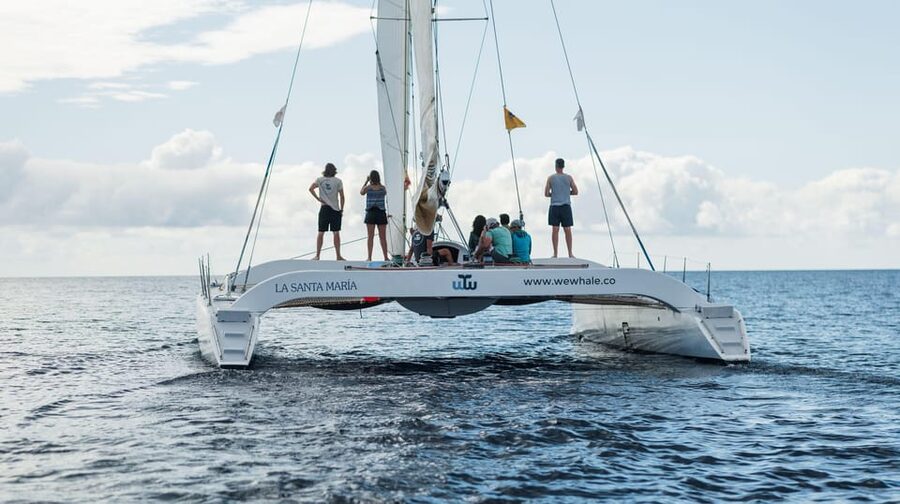
At $112 per person, this is not the cheapest way to spend a morning or afternoon in Lanzarote. The price makes more sense when you look at what is included: four hours on the water, a fully electric catamaran, crew commentary in three languages, wildlife searching, the hydrophone, snacks, fresh fruit, and soft drinks.
You are also paying for a more specialized type of boat. A standard coastal cruise may cost less, but it will not offer the same quiet electric ride or the same focus on low-impact wildlife watching. If avoiding diesel fumes and supporting cleaner marine transport matters to you, that adds real value.
The price is harder to justify if you only want a guaranteed animal photograph. No wildlife trip can promise that, and sightings vary. One excursion found several dolphin groups, whales, and a turtle. Another found nothing, despite the crew’s efforts.
I would consider the price fair for someone who values the full four-hour experience, not simply the number of animals seen. You are buying time, equipment, guidance, and a more responsible way to search. A sighting is the bonus, not the product you can demand.
Who will enjoy this trip most?
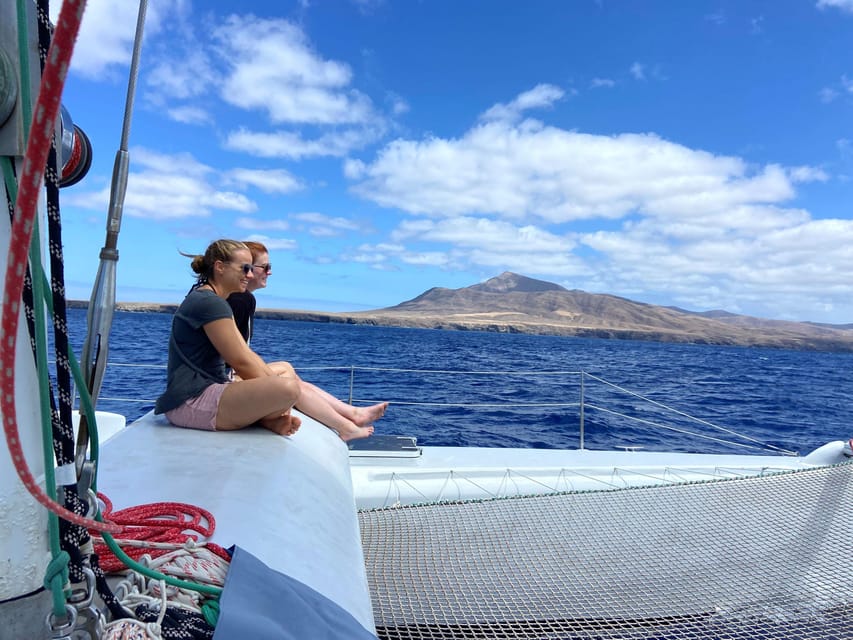
I would recommend this outing to you if you like nature, small-group activities, and tours with a clear conservation purpose. It suits people who enjoy listening to explanations and watching the sea between sightings.
It is also a good choice if you dislike the smell and noise of conventional motorboats. The electric drive is not a minor detail here. It shapes the entire experience, particularly when the boat slows near wildlife.
Families may appreciate the soft drinks, fruit, and gentle educational focus. Couples may like the quieter setting and wide coastal views. Anyone interested in marine biology will get more from the hydrophone and crew commentary than from a simple sightseeing cruise.
I would think twice if you need guaranteed wildlife, dislike sitting outside in changing weather, or want a fast, action-packed ride from start to finish. The pace is controlled by the sea. Patience is part of the ticket.
Booking details that matter
You can cancel up to 24 hours before departure for a full refund. The reserve-now-and-pay-later option also gives you some flexibility, since payment is not required immediately.
Starting times vary, so check availability for your chosen date. The tour lasts four hours, and the meeting point is Marina Puerto Calero, Pontoon F22.
The activity is offered in English, Spanish, and French. Bring your hat and sunscreen, and leave alcohol, smoking materials, and anything that could become litter at home. Do not feed the animals.
Should you book the electric catamaran?
Book this tour if you want a thoughtful wildlife outing rather than a guaranteed animal show. The silent electric catamaran, hydrophone, respectful boat handling, and friendly crew make it more interesting than a basic cruise.
The strongest reason to go is the way the parts fit together. You get open-water views, a low-emission boat, useful commentary, and a genuine chance to see dolphins, whales, or turtles without putting pressure on them.
Just keep your expectations honest. Nature may give you several dolphin schools, whales, and a turtle, or it may give you cool weather and empty water. At $112, I think the trip earns its price when you value the boat, the four-hour search, and the responsible approach as much as the sighting itself.
FAQ
Where does the catamaran leave from?
The catamaran leaves from Marina Puerto Calero, at Pontoon F22.
How long does the experience last?
The tour lasts four hours.
What animals might I see?
You may see whales, dolphins, and turtles. Sightings are not guaranteed because the animals are wild.
Is the catamaran fully electric?
Yes. It is described as the first fully electric, emission-free catamaran in the Canary Islands.
Can I hear whales and dolphins underwater?
Yes. An onboard hydrophone lets you listen to underwater sounds made by whales and dolphins.
What languages are available?
The live tour guide service is available in English, Spanish, and French.
Are food and drinks included?
Yes. Snacks, fresh fruit, and soft drinks are included.
What should I bring?
Bring a hat and sunscreen.
Is the tour suitable for wheelchair users?
No. The experience is not suitable for wheelchair users.
More Whale and Dolphin Watching Tours in Lanzarote
- Morro Jable: Dolphin & Whale Watching Cruise, Drinks & Swim
★ 4.1 · 4,158 reviews - From Ponta Delgada: Whale and Dolphin Watching Trip
★ 4.7 · 4,109 reviews - From Morro Jable: Dolphin and Whale Watching and Snorkelling
★ 4.6 · 3,687 reviews - Tenerife: Whale & Dolphin Watching Cruise with Swim Stop
★ 4.7 · 3,227 reviews
More Catamaran Dolphin Cruises in Lanzarote
- From Funchal: Ecological Catamaran Dolphin Whale Watching
★ 4.5 · 8,204 reviews - Funchal: Dolphin and Whale Watching Catamaran Cruise
★ 4.5 · 5,697 reviews - Shell Island Snorkel and Dolphin Catamaran Cruise with Island Time
★ 5.0 · 4,362 reviews - Whale and Dolphin Watching Catamaran with Transfer and Buffet
★ 5.0 · 2,712 reviews
Just added around Lanzarote
- Small Group Dolphin Sunset Tour on Electric Catamaran Lanzarote★ 4.5 · 106 reviews
- Marine Safari Dolphins in their natural habitat★ 4.5 · 2 reviews
- 2hrs Dolphins Sunset Sailing Cruise With Drink★ 4.0 · 184 reviews
- Whale & Dolphin Observation on Silent Catamaran with Hydrophone★ 4.5 · 66 reviews
- Dolphin Watching Cruise to Lobos Island★ 3.5 · 14 reviews
- Dolphin Mini Cruise at Playa del Carmen★ 3.5 · 111 reviews
- Dolphin Watching Mini Cruise and Snorkeling from Lanzarote★ 4.0 · 72 reviews
- Lobos Island – The dolphin route★ 4.0 · 76 reviews
Lanzarote Dolphin Watching Tours, compared.
Dolphin-Watching Sunset Cruise with Transfers
Read our review →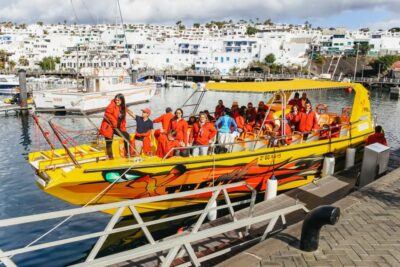
Small Group Dolphin Sunset Tour on Electric Catamaran Lanzarote
Read our review →