
Review · NEW ZEALAND
Motuara Island Sanctuary: Wildlife & Dolphin Watching Tour
Rare birds meet open-water wildlife.
Motuara Island Sanctuary combines a calm cruise through the Marlborough Sounds with a guided walk on a predator-free DOC reserve. I like the close, small-group format, with one guide for every 15 people, and I like that your $100 fare supports local conservation. The onboard binoculars, species cards, hot drinks, and free wildlife photos also make this feel like more than a basic boat ride.
The one caution is simple: wildlife follows its own schedule. You may see dolphins, seals, penguins, or unusual birds, but weather can change the plan. On one recent trip, bad conditions blocked some expected sightings, even though guides Courtney and Dan kept the outing interesting. The small indoor boat space is another reason I would choose a sunny day if you have flexibility.
Key points to know before you go
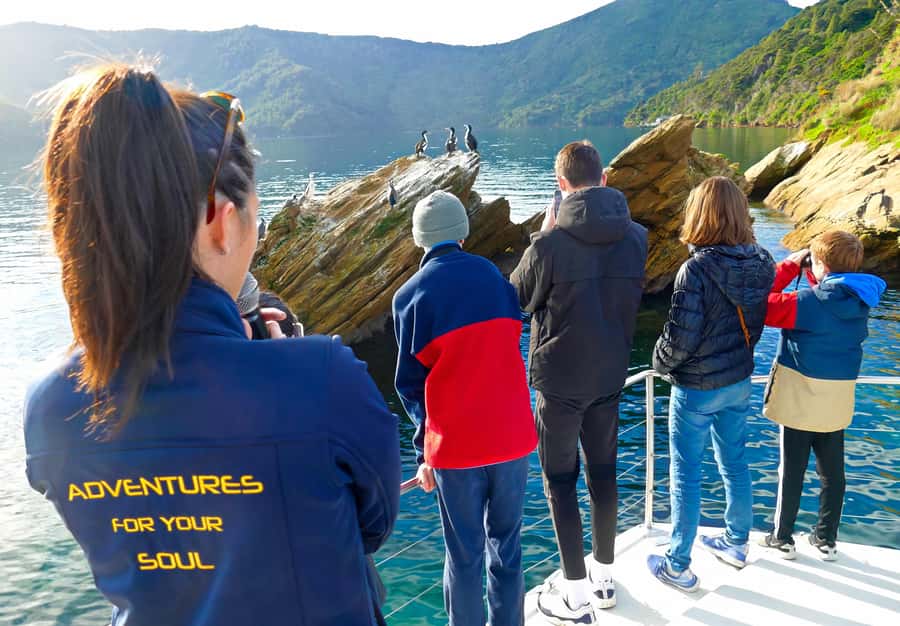
- Motuara is a predator-free bird sanctuary: You walk forest trails in a DOC reserve where native birds such as saddlebacks, bellbirds, and robins have a safer home.
- The boat stays in sheltered Queen Charlotte Sound: The route is designed for calm waters, with marine guides offering commentary throughout the cruise.
- Dolphin sightings can include several species: Hector’s, bottlenose, common, and dusky dolphins are listed, along with orca, seals, penguins, gannets, and King Shags.
- The tour runs about four hours: Morning departures are listed around 8:00 or 8:30 AM, with afternoon departures around 1:00 or 1:30 PM, so confirm your exact time.
- You get useful extras: Binoculars, identification cards, hot drinks, biscuits, and free wildlife photos are included. Afternoon departures add a glass of local Pinot Gris.
- The walk requires comfortable footwear: The tour is not suitable for wheelchair users or mobility scooters, and bare feet are not allowed.
From Picton waterfront to Queen Charlotte Sound
Your trip begins at the E-Ko Wildlife Shop at 1 Wellington Street on Picton waterfront. Look for the dolphin sign. The briefing is listed at 7:45 AM or 1:15 PM, followed by departure around 8:00 AM or 1:30 PM. Another schedule lists 8:30 AM and 1:00 PM departures on cruise ship days, so check the exact time when booking.
That small timing difference matters if you are arriving from a cruise ship, arranging a bus, or planning another activity later. I would arrive early, especially for a morning trip, and use the shop to buy water or other drinks before boarding. Lunch is not included, so bring your own food if you expect to be hungry during four hours away.
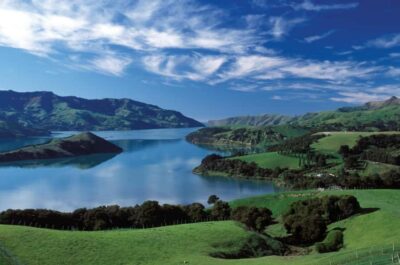
The boat heads into the Marlborough Sounds, a network of sheltered waterways on the northern edge of New Zealand’s South Island. The calm water makes this a gentler choice than an exposed ocean wildlife trip. The company also advertises a no-seasickness guarantee, but I would still follow your normal precautions if you are prone to motion sickness.
The trip is built around commentary, not just transport. Your captain explains the Sound as you move between coves and islands, while the wildlife guide watches the water and nearby shorelines. Past trips have included guides such as Connor, Daniel, Courtney, and Dan. Their role is especially useful when a quick flash in the water or a distant bird needs sorting out before it disappears.
More Dolphin and Wildlife Eco Tours in New Zealand:
- Akaroa Dolphins ~ Harbour Nature Cruise
★ 5.0 · 2,143 reviews - Auckland: Whale and Dolphin Watching Half-Day Eco Cruise
★ 4.5 · 1,072 reviews - Akaroa: Dolphin Nature Cruise
★ 4.9 · 440 reviews
Watching for dolphins in sheltered waters
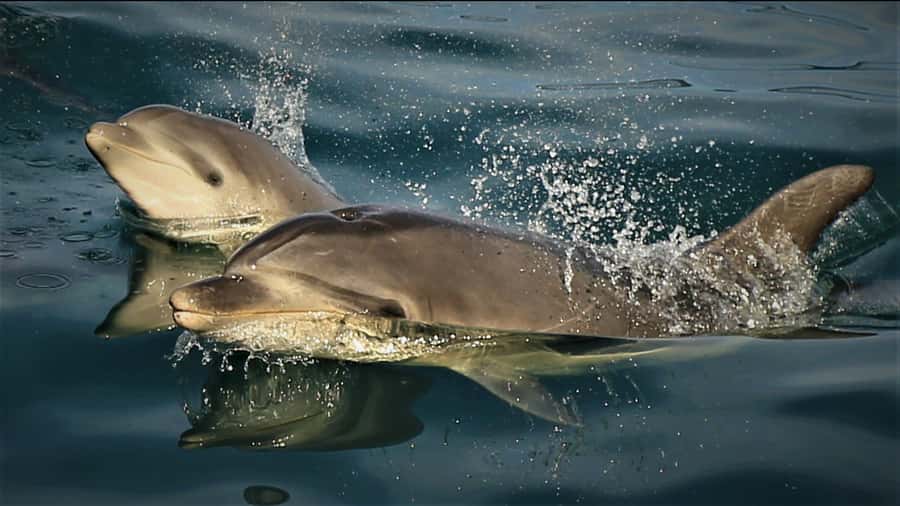
The marine portion is one of the best reasons to book this tour. The boat is set up for close viewing, and the company says sightings can include Hector’s dolphins, bottlenose dolphins, common dolphins, and dusky dolphins. Orca are also possible, although any orca encounter is naturally dependent on where the animals are on that day.
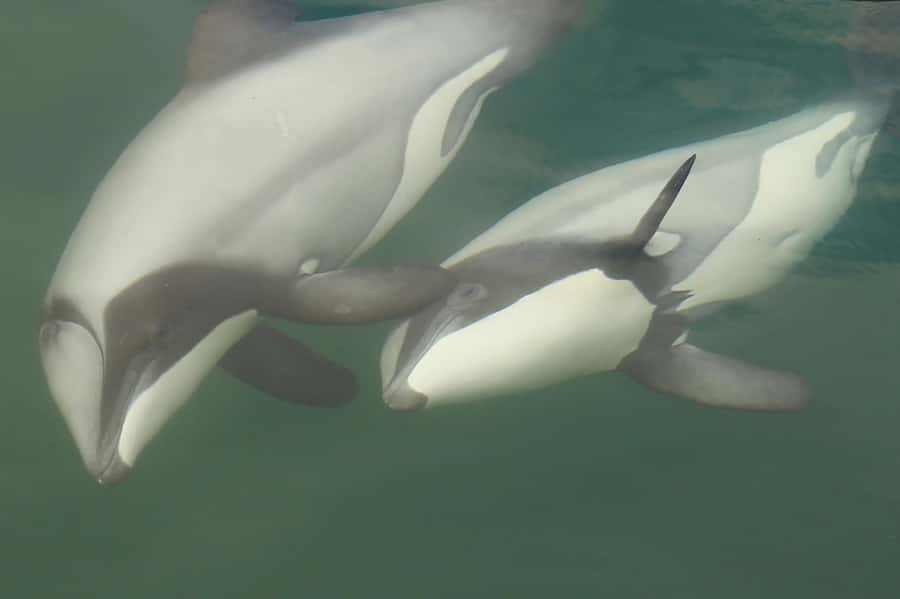
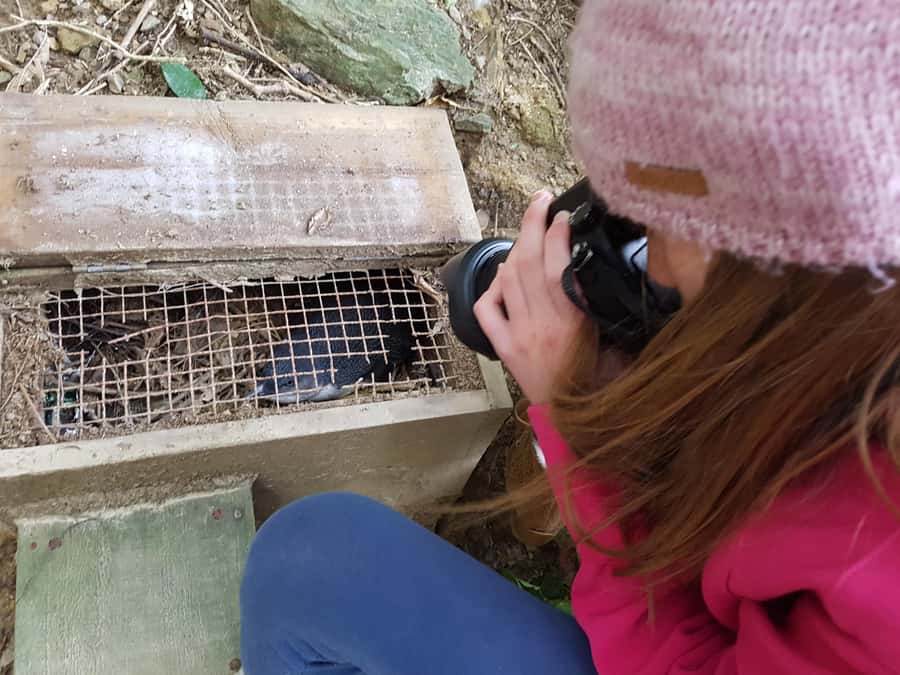
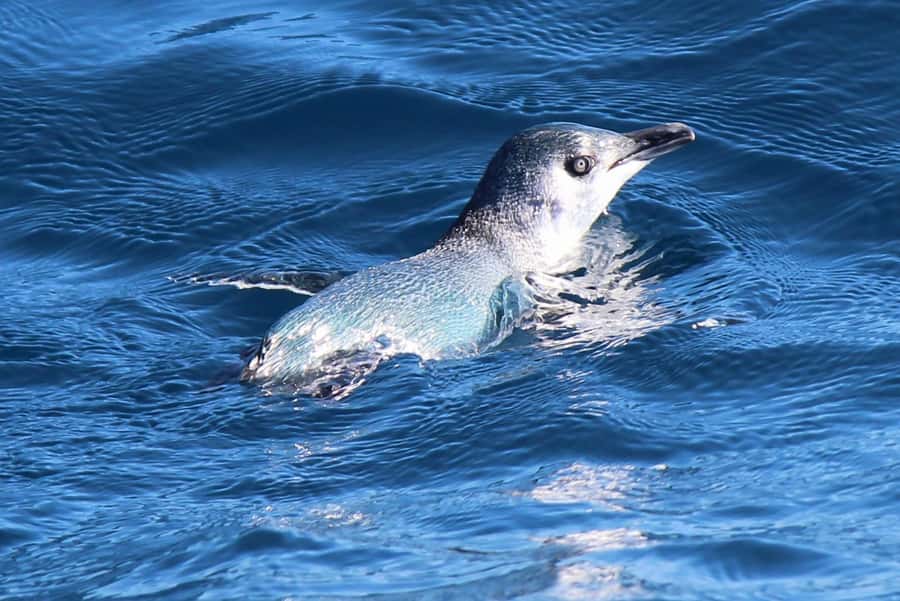
Hector’s dolphins are a particularly appealing possibility. They are associated with New Zealand waters and are less familiar to many visitors than the larger dolphins seen on standard sightseeing cruises. The trip also lists seals, King Shags, Little Blue Penguins, and gannets among the possible sightings.
You receive onboard binoculars and species identification cards. That is a small detail, but it changes the experience. Instead of simply pointing at a dark shape and hoping for the best, you can compare markings and learn what you are seeing. The tours also provide free high-quality wildlife photos, which helps you stay focused on the water rather than holding your phone up for the entire ride.
The company promises an endangered species encounter, yet the supplied trip details also make clear that wildlife is unpredictable. I would treat that promise as part of the operator’s guarantee, not as a reason to expect a particular species. A recent trip in poor weather produced dolphins, seals, and birds, while some planned sightings did not appear. That is normal for a wildlife outing, and good guiding matters when nature does not follow the script.
One strong feature is the willingness to spend extra time when wildlife is active. Connor and Dan extended a trip to look for more animals. Do not assume every departure can run late, particularly if you have a ferry, flight, or cruise schedule, but this flexibility can make a difference on a quiet day.
Landing at Motuara Island Sanctuary
Motuara Island is the main reason this experience feels different from a standard dolphin cruise. You leave the boat and enter a DOC-managed, predator-free sanctuary. The island protects native birds and gives you a chance to hear them in a setting shaped around conservation rather than sightseeing alone.
The walk follows forested trails. You may hear saddlebacks, bellbirds, and New Zealand robins, with other native species possible along the way. The value here is not a long hike or a string of grand viewpoints. It is the chance to slow down, listen, and pay attention to small movements in the trees.
A predator-free island matters because introduced predators have placed heavy pressure on many native New Zealand birds. Your visit supports a place where conservation work and public access meet. Part of each booking goes toward protecting endangered species and restoring ecosystems in the Marlborough Sounds, giving the trip a practical purpose beyond the scenery.
Bring comfortable shoes. You are visiting a forest reserve, not staying on the boat for the whole four hours. The available information does not give a trail length or grade, so I would not assume the walk is effortless for everyone. Wheelchair users and people using mobility scooters should choose another activity.
The island stop also gives the trip a useful rhythm. The cruise asks you to scan the water and shore. The sanctuary asks you to listen and look into the forest. That change keeps the outing from becoming four hours of waiting for a dolphin fin.
What the small group changes
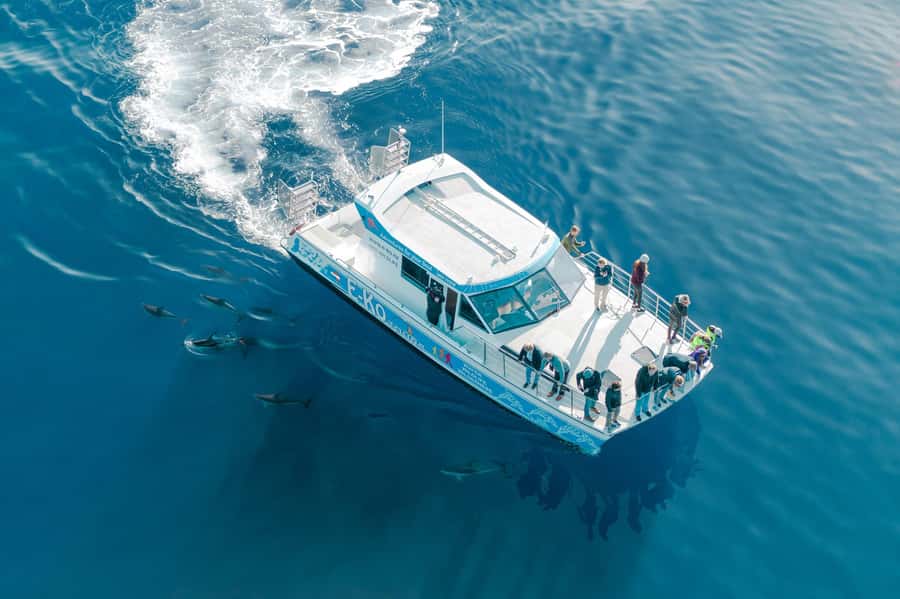
The advertised ratio is one guide to 15 people, making this a personal small-group outing rather than a large sightseeing boat. That is important for wildlife. A guide can answer questions, pass around identification information, and help people on different sides of the boat without turning the trip into a loud crowd scene.
The boat does have limited indoor space. One recent passenger specifically advised choosing a sunny day so you can sit outside. I agree with that practical tip. The best viewing happens when you can move your gaze from the water to the shoreline, and outdoor seating is more useful for photography and bird spotting.
Still, poor weather does not automatically ruin the trip. Courtney and Dan kept one wet-weather outing engaging with facts about the Sound and the animals. That is why guide quality matters here. You are buying interpretation as much as transport.
Families get a few thoughtful extras: children’s toys, books, and drawing boards. Tea, coffee, hot chocolate, and biscuits are included on both morning and afternoon tours. The afternoon trip adds a complimentary glass of Pinot Gris, a pleasant touch on the return ride, though it should not be the deciding factor for choosing a departure.
A few more dolphin trips around New Zealand worth a look
- Auckland Dolphin and Whale Watching Eco-Safari Cruise
★ 4.5 · 1,790 reviews - Paihia/Russell: Hole in the Rock, Dolphins & Island Cruise
★ 4.6 · 821 reviews - Auckland: Tikapa Moana Whales, Dolphins and Islands Cruise
★ 3.9 · 292 reviews - Swimming with Wild Dolphins in Akaroa
★ 4.5 · 261 reviews
Is $100 a fair price?
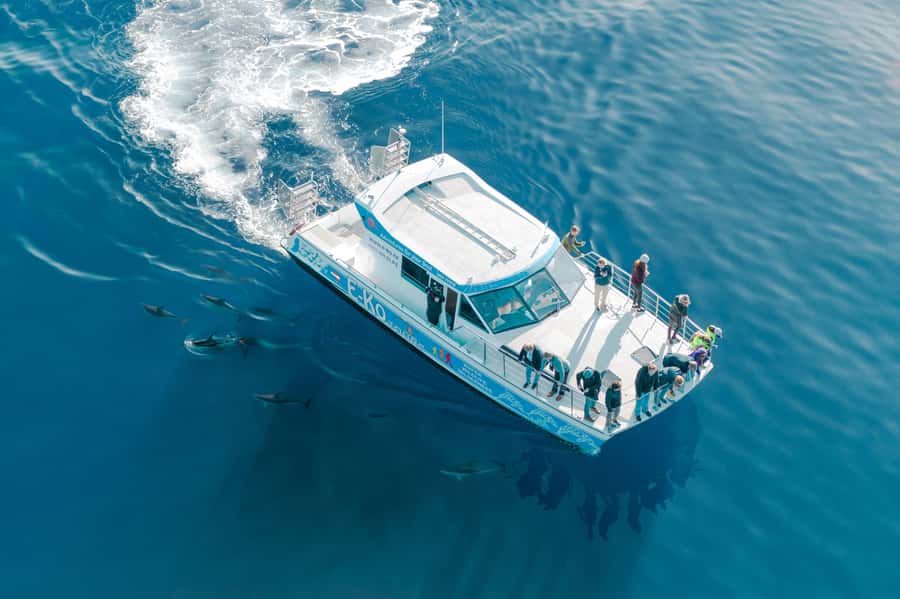
At $100 per person, this is not the cheapest way to see the Marlborough Sounds. You are paying for a four-hour guided outing that combines a marine wildlife cruise, an island visit, specialist commentary, gear, refreshments, and conservation support.
I think the price is reasonable if you value a smaller group and want both birds and marine life in one trip. A simple scenic cruise might cost less, but it would not necessarily include a sanctuary visit, binoculars, species cards, free wildlife photos, or guides focused on identification and conservation.
The value also depends on your expectations. If you mainly want a guaranteed dolphin photograph, the price may feel high on a poor-weather day. If you enjoy learning about the Sound, looking for several types of wildlife, and visiting a protected island, the package offers much more than a quick boat ride.
The morning and afternoon tours include hot drinks and biscuits. The afternoon option includes Pinot Gris, but neither departure includes lunch. Bring food if you need a proper meal, and buy water at the shop before leaving.
How to prepare for the four-hour trip
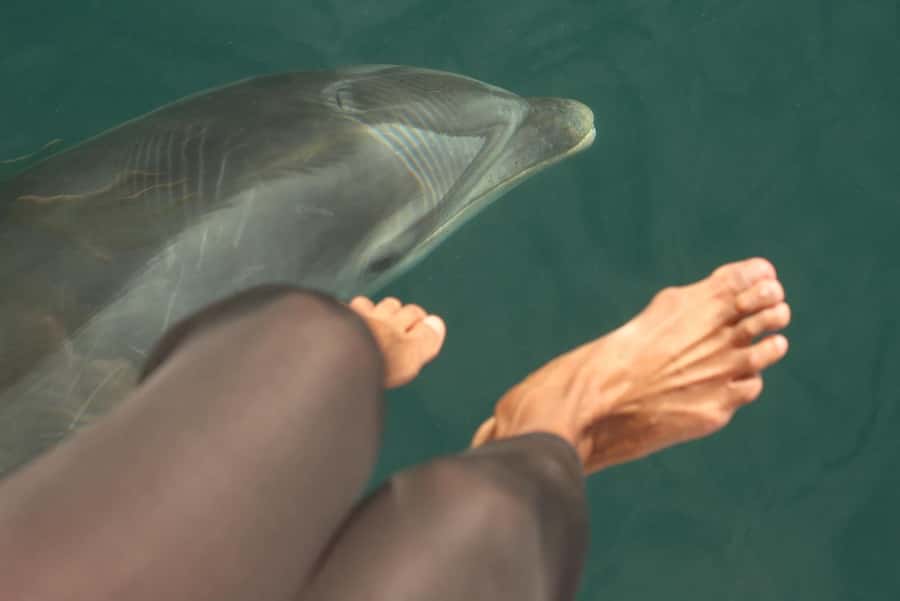
Wear comfortable shoes and bring clothing that works for changing conditions. The supplied information only requires comfortable footwear, but the trip includes a boat ride and an outdoor island walk, so I would not dress as if you were spending the entire day indoors.
Bring your phone or camera, but do not forget to look with your own eyes. The boat is said to get close enough that a phone can produce good images, and free wildlife photos are provided. Binoculars are also included, so you do not need to bring your own unless you prefer a particular pair.
Arrive at the E-Ko shop before the briefing. The exact start time can vary by departure type, particularly on cruise ship days. If you have a tight connection afterward, leave a generous buffer because wildlife sightings can extend the trip.
This is not a wheelchair-accessible experience, and mobility scooters are not allowed. Bare feet are also prohibited. Those rules are easy to overlook when planning a relaxed boat trip, so check them before paying.
Who will enjoy this tour most?
I would recommend Motuara Island Sanctuary to you if you want a mixture of wildlife and conservation. It suits people who like asking questions, learning bird names, and spending time outside rather than simply ticking off a viewpoint.
It is also a good choice for families. The short format, sheltered water, children’s activity materials, hot drinks, and chance to see dolphins give younger participants several ways to stay interested. The island walk adds variety, though you should be comfortable with the physical requirements of a forest trail.
Photographers may enjoy the close wildlife opportunities, but this is not a dedicated photography workshop. Sightings can happen quickly, the boat has limited indoor space, and conditions may affect visibility. Bring patience along with your camera.
I would think twice if you dislike uncertain wildlife encounters or need guaranteed timing. The operator makes strong promises about endangered species sightings, yet even a well-run trip cannot control weather or animal behavior. The honest appeal is the quality of the whole outing, not one particular animal.
Should you book Motuara Island Sanctuary?
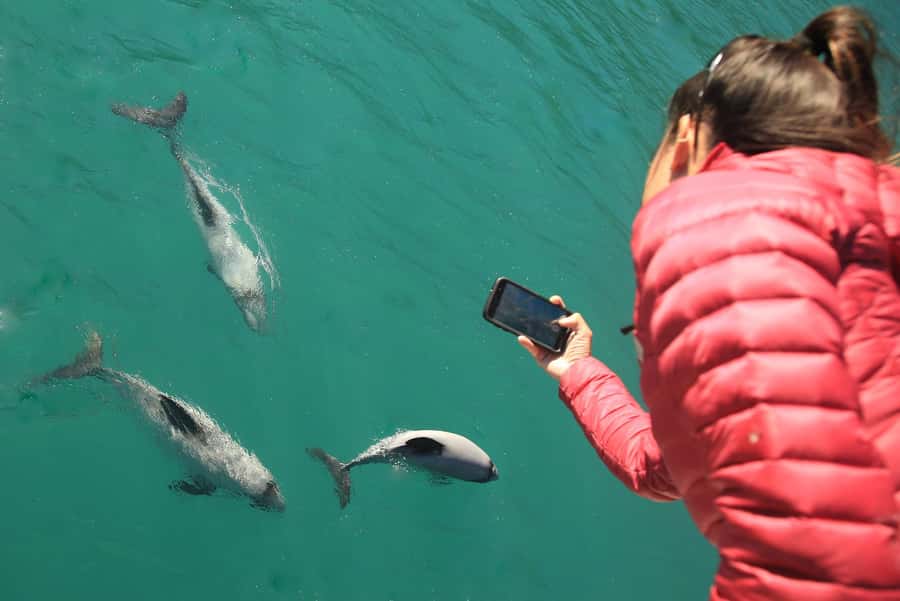
Book it if you want a well-rounded half-day from Picton, with dolphins on the water and native birds on a protected island. The most praised features are the guides’ clear explanations, their good humor, and their willingness to adjust the route or timing when wildlife appears.
Choose a sunny day if possible, since outdoor seating improves the viewing experience and the indoor area is limited. Bring lunch or snacks, arrive early for the briefing, and confirm the departure time because the listed morning and afternoon schedules vary.
Skip it if you need step-free access, a short outing, or a guaranteed sighting of one named species. For everyone else, the $100 price buys a thoughtful mix of scenery, wildlife, education, and direct conservation support. That is a solid use of half a day in Picton.
FAQ
Where does the Motuara Island Sanctuary tour begin and end?
The tour begins and ends at the E-Ko Wildlife Shop on the Picton waterfront, at 1 Wellington Street, Picton 7220. Look for the dolphin sign outside the shop.
How long is the experience?
The tour lasts about four hours, including the cruise through the Marlborough Sounds and the visit to Motuara Island.
What departure times are available?
Briefing times are listed as 7:45 AM and 1:15 PM, with departures around 8:00 AM and 1:30 PM. Another schedule lists 8:30 AM and 1:00 PM departures on cruise ship days, so confirm your exact time when booking.
What wildlife could I see?
Possible sightings include Hector’s, bottlenose, common, and dusky dolphins, as well as orca, seals, King Shags, Little Blue Penguins, gannets, and native island birds.
Is Motuara Island a protected reserve?
Yes. Motuara Island is a DOC predator-free sanctuary. Its forest trails provide habitat for native birds such as saddlebacks, bellbirds, and robins.
Are binoculars provided?
Yes. Binoculars and species identification cards are provided during the tour. Free high-quality wildlife photos are also included.
Is food included?
Tea, coffee, hot chocolate, and biscuits are included. Lunch is not provided, so bring your own. Water and other drinks can be purchased at the shop before departure.
Is wine included?
Afternoon departures include a complimentary glass of local Pinot Gris. The supplied information does not list wine for the morning departure.
Is the tour suitable for wheelchair users?
No. The experience is not suitable for wheelchair users, and mobility scooters are not allowed. Comfortable shoes are required, and bare feet are not permitted.
Just added around New Zealand
- Dolphin & Wildlife Encounters★ 5.0 · 6 reviews
- Half Day Dolphin & Wildlife Cruise – Tauranga★ 4.5 · 103 reviews
- Swim With Wild Dolphins in Tauranga★ 4.5 · 189 reviews
- Captain Cook and Dolphin Cruise★ 4.5 · 26 reviews
- Motuara Wildlife Sanctuary Tour and Dolphin Cruise from Picton★ 4.5 · 180 reviews
- Bird Watching and Dolphin Eco-Tour to Blumine Island★ 5.0 · 55 reviews
- The Original Full day Bay of Islands Cruise with Dolphins★ 5.0 · 13 reviews
- Hole in the Rock Scenic Cruise including Dolphins and Island stop★ 4.5 · 225 reviews
New Zealand Dolphin Watching Tours, compared.
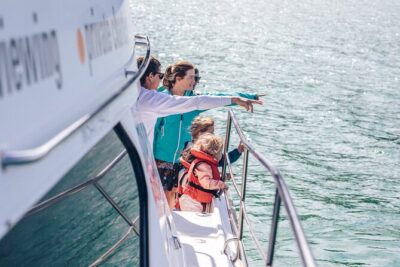
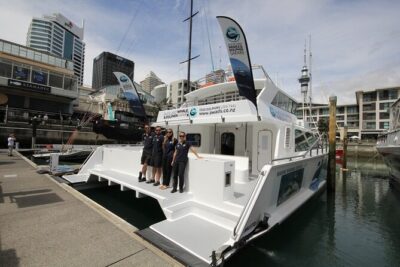
Auckland Dolphin and Whale Watching Eco-Safari Cruise
Read our review →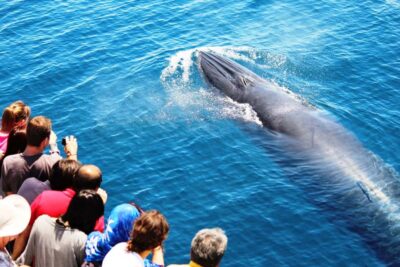
Auckland: Whale and Dolphin Watching Half-Day Eco Cruise
Read our review →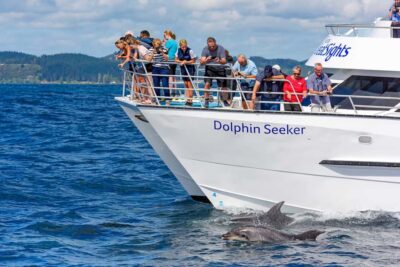
Paihia/Russell: Hole in the Rock, Dolphins & Island Cruise
Read our review →
Auckland: Tikapa Moana Whales, Dolphins and Islands Cruise
Read our review →
Browse the lists this tour appears in