Review · TERCEIRA
Terceira: Whale & Dolphin Watching | Best Wildlife Tour
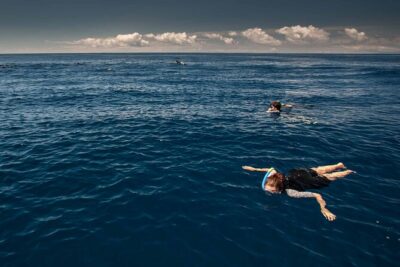
Wildlife waits just offshore. This 2.5-hour Terceira boat trip pairs high-point spotters with a trained sea crew, giving you a strong chance to see dolphins or whales in open Atlantic waters. I especially like the lookout system, which helps the boat locate animals efficiently, and the included hydrophone, which adds another way to understand the sea. The main drawback is simple: these are wild animals, so a whale sighting is never promised, and $82 is not a small activity fee.
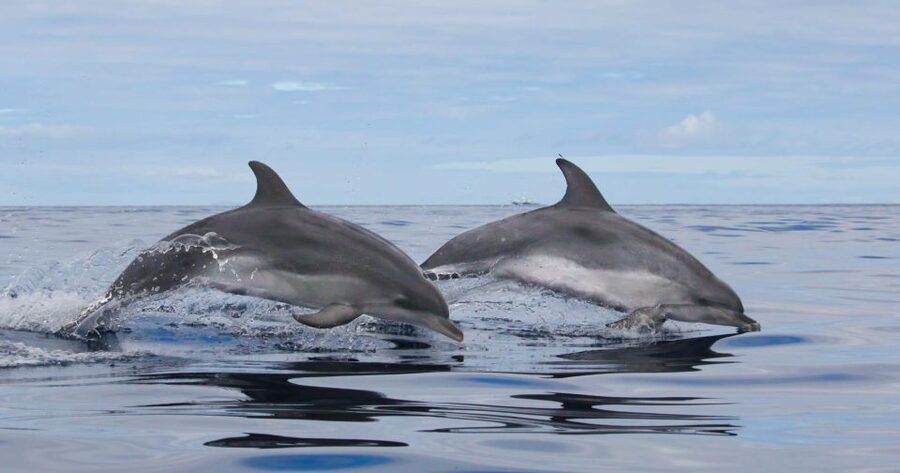
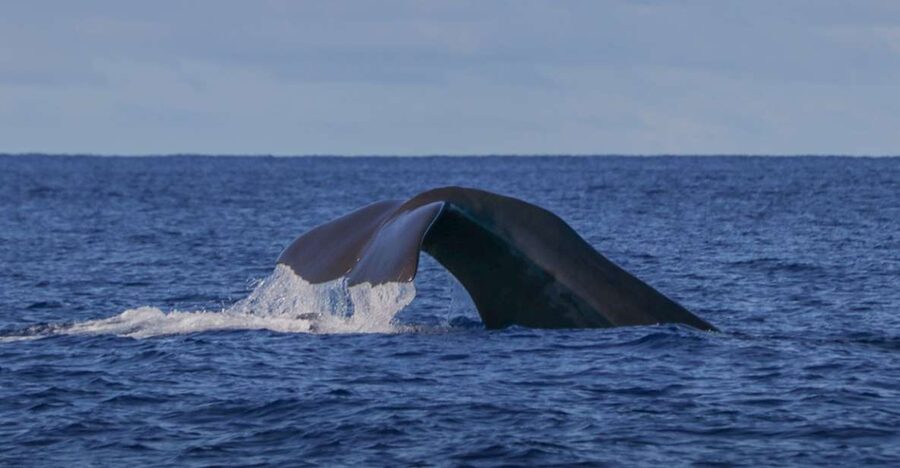
I also like the clear sighting policy and the option of a free return trip if no whale or dolphin appears. Recent outings included large groups of two dolphin species, a Bryde’s whale, and even six cetacean species on one unusually good day. Still, you should book this for the chance to see marine life, not for a guaranteed photo opportunity.
Key points to know before you go
- Two-and-a-half hours at sea: The trip is long enough to search properly without taking up your entire day.
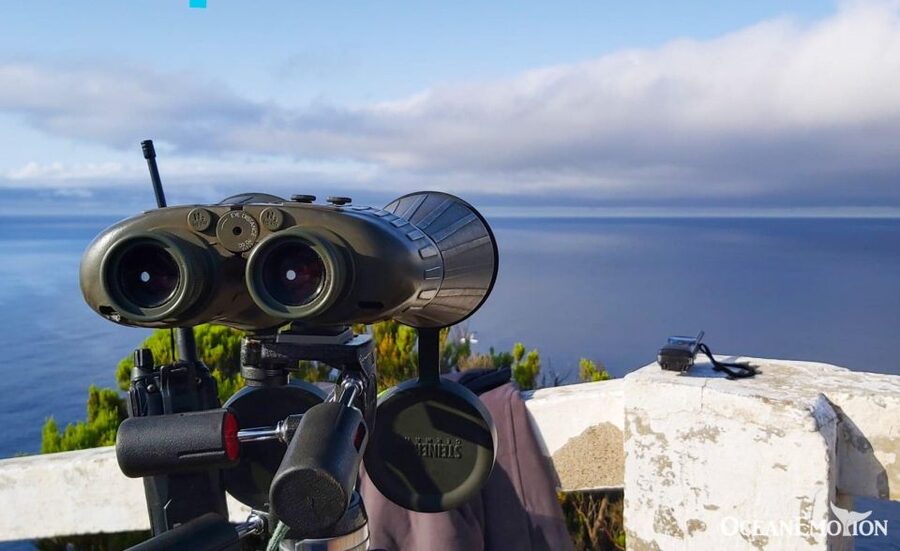
- A land-and-sea spotting system: Lookouts use long-range binoculars from high points on Terceira, then guide the boat toward possible sightings.
- About 98 percent reported sighting success: The operator says this applies year-round, though the guarantee covers at least one whale or dolphin species, not both.
- A hydrophone is included: You may hear underwater sounds while the guide explains what is happening around the boat.
- Recent sightings have been varied: Possible animals include dolphins and whales, with one outing recording six species and another seeing a Bryde’s whale.
- The $82 price buys more than a boat ride: You get a guide, spotter, wind jacket, insurance, and a free repeat trip if no sightings occur.
Why Terceira is a serious whale-watching destination
The Azores sit in the Atlantic, far from Portugal’s mainland, and the surrounding waters attract a wide range of cetaceans. Twenty-nine species have been recorded around the islands, which represents roughly one-third of the world’s known cetacean species.
That number does not mean you will see 29 species in one morning. It does explain why the Azores are a sensible place to spend money on a marine wildlife trip. The water is not being treated like an aquarium. The animals are moving through a large natural area, and your boat joins the search rather than visiting a fixed display.
That difference matters. You may see a whale surface once and disappear. You may watch a large dolphin group travel beside the boat. You may spend time scanning the water before anything appears. The uncertainty is part of the experience, but it also calls for realistic expectations.
The operator uses a land-based lookout team to scan from elevated points on Terceira with long-range binoculars. Those spotters pass information to the crew, who then work out the safest and most respectful way to approach. This is more useful than simply sending a boat out and hoping for luck.
More Dolphin and Wildlife Eco Tours in Portugal
- Faro: Dolphin and Wildlife Watching in the Atlantic Ocean
★ 4.8 · 637 reviews - Small Group Dolphin and Wildlife Watching Tour in Faro
★ 5.0 · 578 reviews - Sagres: Wildlife Tour Dolphins and Caves
★ 4.7 · 106 reviews
Starting at the OceanEmotion office
You meet directly at the OceanEmotion office, identified by its red cover. There is no hotel pickup or drop-off, so you need to arrange your own way to the meeting point and arrive ready for the boat.
That missing pickup is a minor inconvenience, but it keeps the price focused on the actual marine activity. If you are staying away from the office, allow extra time to get there. The supplied information does not give a transfer service, so you should not expect one to appear at your accommodation.
The tour is available with a live guide in English, Portuguese, or Spanish. A private group option is also available, although the standard public group details are not specified. If personal space or a quieter outing matters to you, ask about the private option before booking.
Wear comfortable clothes and shoes. Warm clothing is important, even if the day feels mild on land. The company supplies a wind jacket, but you should still bring an extra warm layer and water. Food and drinks are not included.
How the 2.5-hour search works
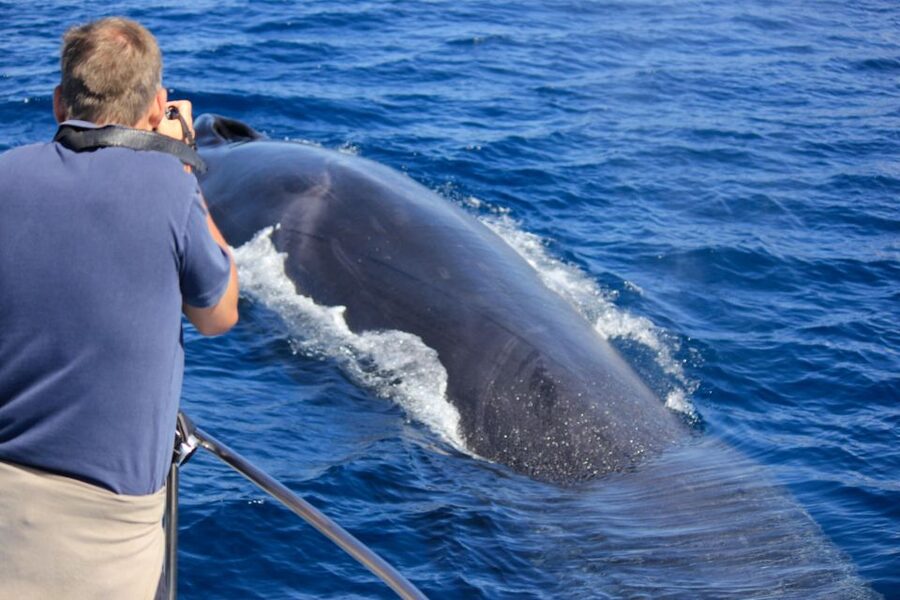
Once the boat heads out, the crew begins the search for animals rather than following a fixed sightseeing route. That means the exact order of events can change according to reports from the lookout team, sea conditions, and animal movement.
The land spotters give the crew a useful head start. From high points, they can scan a much wider area than someone sitting at water level. When a whale or dolphin group is reported, the boat can move toward the general location while keeping to the local code for cetacean observation.
The Azores conduct code is an important part of the experience. It is not just about getting close enough for a photograph. The aim is to watch wild animals without chasing, crowding, or disturbing them. Your guide should explain what you are seeing and why the boat is changing speed or direction.
There may be periods when everyone looks quietly across the water. That is normal. A wildlife boat trip is not a nonstop show, and the crew cannot manufacture a sighting. Keep your eyes moving across the surface and listen for guide instructions rather than focusing only on one part of the horizon.
What the hydrophone adds
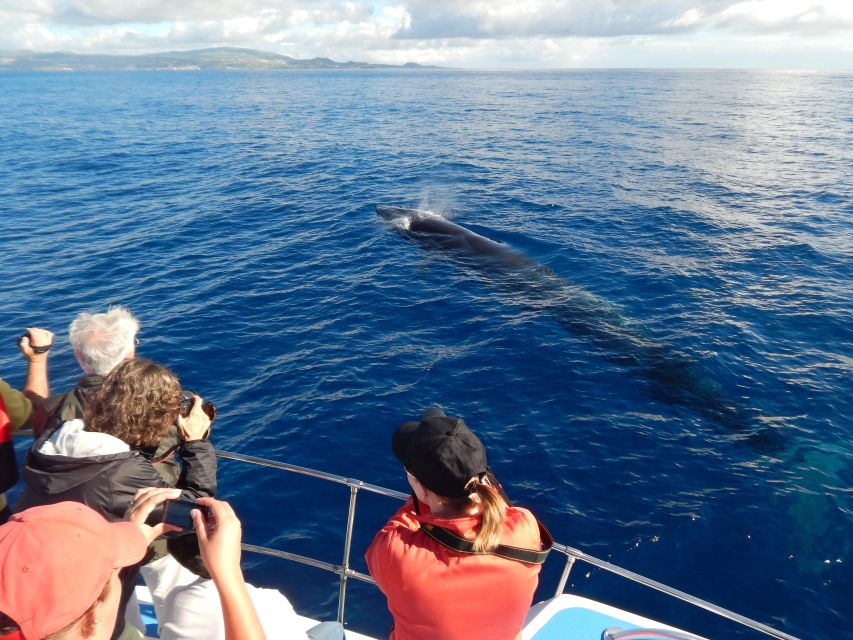
A hydrophone is included in the tour. This underwater microphone gives the crew a way to pick up sounds beneath the surface, adding an audio element to the visual search.
You may find this especially useful when animals are nearby but not fully visible. It can also help you understand that the sea is active even during a quiet stretch on the surface. The available details do not promise a particular sound, species, or length of hydrophone use, so think of it as an added tool rather than a guaranteed performance.
The guide is there to connect these pieces. A good explanation can turn a quick dorsal fin or distant blow into a meaningful sighting. The strongest praise for this experience has focused on the guides’ enthusiasm and willingness to answer questions.
More Whale and Dolphin Watching Tours in Portugal
- From Funchal: Ecological Catamaran Dolphin Whale Watching
★ 4.5 · 8,204 reviews - Funchal: Dolphin and Whale Watching Catamaran Cruise
★ 4.5 · 5,697 reviews - From Ponta Delgada: Whale and Dolphin Watching Trip
★ 4.7 · 4,109 reviews - Funchal Bay: Dolphin & Whale Watch Luxury Catamaran Cruise
★ 4.2 · 2,684 reviews
The animals you might see
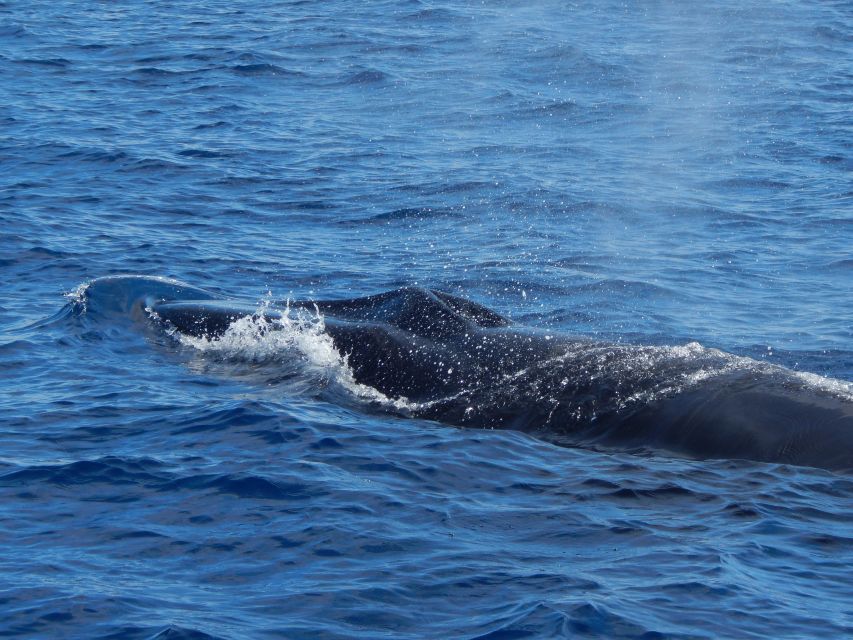
The sighting policy is carefully worded. The company guarantees a sighting of at least one whale or dolphin species, but it does not guarantee whales, dolphins, or both. If the boat finds no cetaceans at all, you receive a free return trip.
That is a fair approach for a wildlife outing. It recognizes the difference between promising a search with skilled crews and promising animal behavior. If bad weather makes the trip impossible, or the activity cannot operate because of availability, the company states that you receive a full refund.
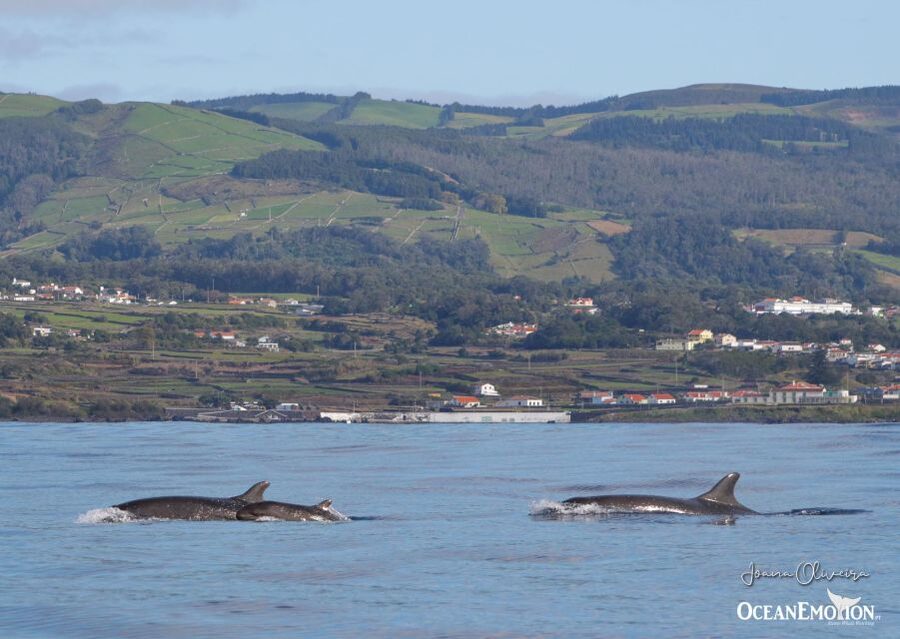
Recent examples show how wide the results can be. One outing included two dolphin species traveling in a very large group, followed by a Bryde’s whale making slow circles. Another exceptional day produced six cetacean species. At the other end of the scale, you should accept that dolphins may be more likely than whales on some trips, and that a whale could remain distant or surface only briefly.
One useful detail is that the operator reports an approximately 98 percent sighting success rate across the year. Treat that as a strong indication of the company’s record, not a personal guarantee for your departure. The sea makes the final decision.
How the guides shape the experience
The guide is more than someone who points toward a fin. You want clear directions, calm explanations, and enough enthusiasm to keep the group interested during quiet periods.
I would pay attention to the praise for Iara, who was described as bringing strong energy to the boat and helping create an enjoyable group atmosphere. Another recent outing praised a young brown-haired guide, whose name was not recorded, for answering questions and showing real passion. These details suggest that the human side of the trip is one of its strongest features.
The guide can also help you understand why the boat is keeping its distance, how dolphins are moving, and what separates a whale blow from a wave or seabird. That kind of context is worth paying for because it makes a short sighting easier to appreciate.
You should not expect a marine biology lecture lasting the full 2.5 hours. The supplied information promises a live guide, not a specific scientific program. Still, the combination of guiding, spotters, and a hydrophone gives the trip more substance than a basic boat ride.
Is $82 a fair price?
At $82 per person, this is a mid-to-high priced activity for a 2.5-hour outing. The price may feel steep if you compare it with inexpensive land activities on Terceira. One recent assessment found the cost high compared with other local services.
The value improves when you count what is included. You get a whale and dolphin spotter, a guide, a hydrophone, a wind jacket, and public liability insurance. The land lookout network also represents a working system behind the scenes, not just fuel and a seat on a boat.
The sighting guarantee adds practical value. A free repeat tour if no sighting occurs reduces the risk of paying for a completely empty search. You still need enough time in your schedule to use that second outing, so do not book this as your final activity before leaving the island.
I consider the price reasonable for someone who places marine wildlife near the top of a Terceira visit. If you are only mildly interested and have a tight budget, the cost may be harder to justify. The experience is strongest when you value the chance to see animals in the open Atlantic and understand that the outcome cannot be staged.
Comfort, safety, and who should skip it
The boat setting requires more physical comfort than a land tour. Pregnant women and people with back or heart problems are listed as unsuitable for the activity. Take that warning seriously, since the information provided does not promise a smooth ride or special medical support.
You should wear comfortable shoes and warm clothing. Bring water and dress in layers. The wind jacket supplied by the company is helpful, but it is not a substitute for clothes that keep you warm if the air turns cool on the water.
Smoking, glass objects, and alcoholic drinks in the vehicle are not allowed. Food and drinks are not included, so eat beforehand and bring water in an acceptable container.
This is a good match for adults, families with suitable participants, photographers who can handle uncertain conditions, and anyone interested in marine life. It may be less suitable for someone who needs a fixed schedule, dislikes waiting, or expects close and constant animal encounters.
The best way to plan your day
Since the tour lasts 2.5 hours, it fits well into a day when you want time for another Terceira activity. I would avoid placing an important timed booking immediately afterward. Weather or a strong sighting can affect the pace, and you may need extra time to return and regroup.
If seeing whales or dolphins is a main goal, book early enough in your stay to leave room for the free repeat option. The company says the activity operates year-round, and the sighting rate is reported as strong throughout the year, but no season can remove the wild-animal factor.
Bring a phone or camera if you want photographs, but keep your eyes on the water. The best moment may last only a few seconds, and fumbling with a camera can mean missing it. A distant whale blow is still a real sighting, even if it does not produce a perfect picture.
Check the meeting instructions carefully. You go directly to the OceanEmotion office with the red cover, and you arrange your own transport because pickup and drop-off are not included.
Should you book this Terceira whale-watching trip?
I would book it if marine life is one of your main reasons for visiting the Azores. The lookout network, hydrophone, trained guide, and free repeat policy make this a well-supported search rather than a casual ride offshore. The recent sightings of large dolphin groups, a Bryde’s whale, and six species show the potential.
I would think twice if $82 feels uncomfortable, if you have back or heart concerns, or if you need a guaranteed whale sighting. The company promises a whale or dolphin sighting, not a particular species, and even a successful trip may produce brief or distant views.
For most suitable participants, this is a worthwhile Terceira activity. Go with warm clothes, an open schedule, and the right expectation: you are visiting the animals’ Atlantic home, not attending a timed show.
FAQ
How long does the Terceira whale and dolphin tour last?
The tour lasts 2.5 hours.
How much does the activity cost?
The listed price is $82 per person.
Is a whale or dolphin sighting guaranteed?
The company guarantees a sighting of at least one whale or dolphin species. It does not guarantee that you will see both whales and dolphins. If no sightings occur, you are offered a free new tour.
What happens if bad weather prevents the trip?
If adverse weather makes the activity impossible, the company states that you receive a full refund.
What languages are available?
The live guide is available in English, Portuguese, and Spanish.
What should I bring?
Bring comfortable shoes, warm clothing, comfortable clothes, and water. A wind jacket is included, but food and drinks are not.
Just added around Portugal
- Terceira Island: Swimming with Wild Dolphins | Natural Habitat★ 5.0 · 17 reviews
- Terceira Island: Whale & Dolphin Watching | Best Wildlife Tour★ 4.0 · 24 reviews
- Observation of Dolphins in Setúbal★ 4.5 · 12 reviews
- Sesimbra Observation of Dolphins with Biologist in Marine Park★ 5.0 · 17 reviews
- Become a dolphin protector! Lisbon Eco-dolphin watching★ 5.0 · 6 reviews
- Guided Dolphin Watching in the Arrábida Natural Park★ 5.0 · 4 reviews
- Dolphin Watching in Sesimbra★ 5.0 · 40 reviews
- Dolphin watching in Setúbal★ 5.0 · 146 reviews
Terceira Dolphin Watching Tours, compared.
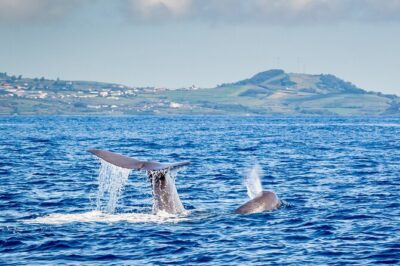
Watching whales and dolphins on Terceira Island
Read our review →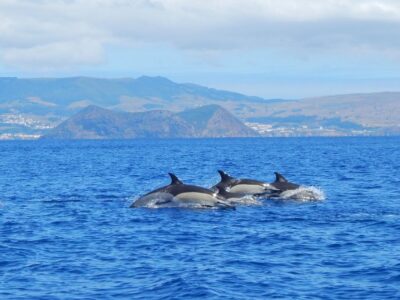
Whale and Dolphin Watching Tour at Terceira Island
Read our review →
Terceira Island: Whale & Dolphin Watching | Best Wildlife Tour
Read our review →